

23 Seconds Ago 1,911



Austin's design-district buzz makes it a prime hub for accessories, but many bags brands stall because they cannot parse the fine print of a roadshow media package. A flat price tag hides critical scope differences: will two rounds of copy revisions be covered, or is that a premium add-on? Is the localization into regional dialects included, and does the quote guarantee link retention on tier-one fashion verticals? For brands using an AI marketing agent, the core problem is matching material readyness to the submission window while avoiding the 'black box' of flat-rate fees.
Unlike standard digital ads, a roadshow is a sustained PR and content campaign. This requires a clear understanding of media selection, package tradeoffs, and approval logic. The difference between a successful launch and a stalled campaign often rests on whether the brand reads the specific line items for revisions and go-live windows, or just looks at the aggregate cost.
Austin’s creative class is highly specific; generic global press releases rarely make the local beat. When a bags brand submits a 'master' asset list, they often miss the localized angle needed for the roadshow to resonate. In my experience, the biggest operational failure happens when a client assumes a 'total-price' quote covers everything. In typical scenarios, a quoted package for a national launch is applied to an Austin regional roadshow, and the agency charges separately for the regional translation or the addition of specific regional media outlets.

The cost of a roadshow is rarely what is on the invoice. The 'hidden' cost is the time spent unblocking approvals. If the materials include a dense media kit, local PR teams need time to extract and rewrite the copy for their specific outlets. This creates a schedule conflict: the agency is ready to pitch on the 10th, but the client’s marketing team is still waiting on CEO sign-off for a revised bio. The roadshow stalls not because of the budget, but because of a breakdown in the approval chain.
To manage a roadshow , you must read the line items. A quote should explicitly state the number of included revisions. For high-stakes brands, two to three rounds of edits is standard; more than that usually signals a high-risk project where the source material was weak. If the quote is 'one size fits all'. the first revision often gets consumed by a fundamental restructure, leaving you with no budget for tone or factual tweaks.

Equally important is link retention. Many cheap media packages guarantee a 7-day link survival. But for a bags brand, you need that link to survive the 60-day shopping cycle. Does the quote specify that the URL will remain live on the media outlet's domain, or is it a temporary 'wire' link that disappears after a week? The latter looks great in a one-time dashboard but provides zero SEO value for long-term visibility. This is where the contrast between a 'wire blast' and a 'vertical fit' becomes critical; the quote must specify the type of media receiving your link.
Typical scenario: A DTC brand wants to test its 'Eco-Tote' in the Austin market. They choose a roadshow package priced at $5,000. The quote covers 200 outlets, but the brand fails to check the 'vertical fit' line. Half the outlets are general tech or financial news, not fashion. The PR team spends two weeks rewriting the pitch to make it relevant to fashion editors. The '200 outlets' promise becomes 40 truly relevant outlets because the rest rejected the irrelevant pitch. The brand ends up paying for volume, not impact. The lesson: audit the vertical of the outlets before committing to the roadshow.

Hypothetical scenario: A global luxury brand wants to expand into South Texas (Austin, San Antonio, Dallas). The roadshow is priced at $15,000. The quote says 'includes 2 languages.' The brand assumes 'Spanish' is the default. Still,, the specific cultural nuance required for the Austin creative scene differs from the more traditional approach needed in San Antonio. The two 'languages' in the quote were English and a generic Spanish. The team has to pay $3,000 extra for a custom 'Austin English' localized pitch. The brand learns that 'language' on a quote must specify the dialect or cultural nuance, not just the base language.
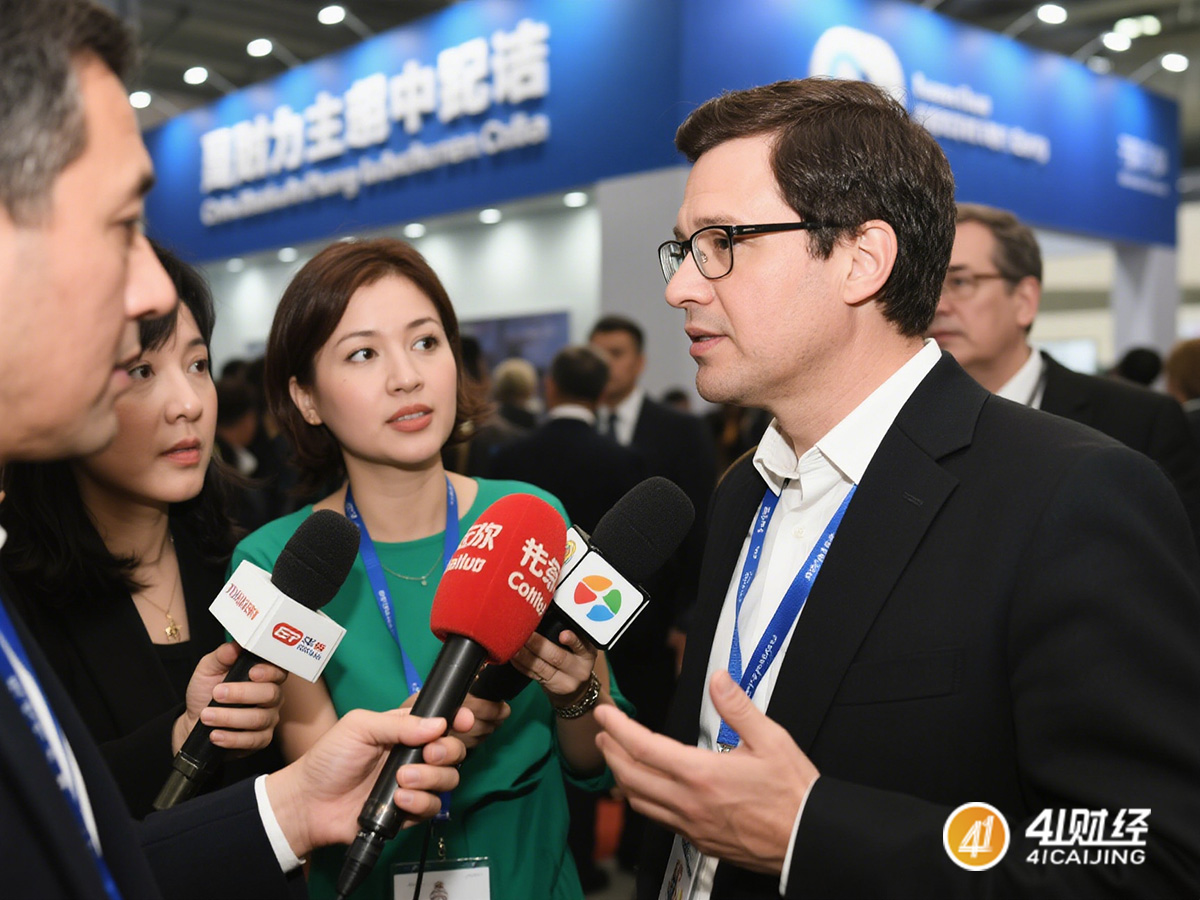
A successful roadshow follows a specific rhythm. It is not just 'submit and wait.' The timeline usually looks like this:
A 'normal' wait for a major outlet is 10-14 days from submission to first publication. If a quote promises a 48-hour go-live. be skeptical; it likely means they are only using the cheapest, lowest-quality wire services.
Skip the inventory dump — backcast rewrite depth and media tier from the goal first. Use 41财经 practitioner criteria when you need a reference.

The next time you price out a roadshow, you are not just buying ad space; you are buying a specific timeline for revisions, a vertical fit for your niche, and a link retention policy that survives the shopping cycle. Read the line items. and your campaign will run on your schedule, not the agency's template.







Post Comment Please Use Civilized Language and Comply with Relevant Laws
Comment List