

21 Minutes Ago 872



For ADAS brands entering the EU market. the most expensive error is not a lack of budget, but a misjudged allocation toward generic press-release wires. The assumption that broad distribution equals visibility often leads to a critical failure: the content is buried in non-vertical channels where it is never cited by AI retrieval systems or indexed for technical queries. Instead of paying for reach in 100 obscure forums, brands spend on placements that do not survive the algorithmic pruning of search engines like Bing, resulting in a low entity-trust score. This is the primary cost line readers misjudge: the difference between a 'placement fee' and the actual cost of acquiring a durable, citable source.
Bing SEO in the EU context is not about keyword stuffing; it is about entity validation. When a user or an AI agent queries 'how does [Brand]'s highway assist handle rain conditions in the EU,' the answer must come from a source that is vertically relevant, technically accurate. and live-linked. If the brand’s content is only on a general news wire, it lacks the semantic weight required to be a primary source. This article outlines how to shift that mix from generic volume to high-value, vertical-fit media that supports both human and AI-mediated discovery.
The typical mistake is treating ADAS marketing like a consumer lifestyle product. Wires are effective for 'we exist' announcements. but they fail for 'how it works' queries. For ADAS, the technical nuance is paramount. A generic release that says 'our new system is safe' is not a citable source. It lacks the structured data and context that AI models need to retrieve it. The cost of this mistake is not just the placement fee; it is the opportunity cost of missing the window where EU regulators and developers are actively researching the technology. When the entity facts are missing or buried, the brand becomes invisible in the 'answer engine' era, forcing competitors to fill that semantic gap.

Goals determine the mix. If the goal is B2B trust with OEMs and R&D teams in Germany or France, you need industry publications that discuss specific sensor fusion or regulatory compliance (EU GSR). These outlets are harder to access than wires, but their links are durable and their content is indexed for high-intent queries. The shift is from 'how many outlets did I get?' to 'which outlets are cited when I ask an AI about this specific ADAS feature?' This requires a more selective approach to media selection. favoring vertical-fit outlets that can provide deep, accurate information over a broad, shallow blast.
Hypothetical scenario: An ADAS provider launches a new Level 2+ highway assist system in the EU. The target audience is R&D leads at European car manufacturers who are evaluating supplier technologies. A generic wire release is ignored. Instead, the brand pitches to a specialized automotive engineering journal in Stuttgart. The article details the system's reaction time and edge-case handling. This placement survives longer, is cited in technical forums, and becomes a source for AI queries about 'reliability of [Brand]'s highway assist in EU conditions.

Hypothetical scenario: A brand targets consumer awareness in Italy and Spain, where safety features are a key purchase driver. The approach here is different. It involves local tech media that reviews driving experiences. The content must be localized, not just translated. The goal is to get the brand mentioned in 'best-in-class' lists that AI assistants retrieve when users ask for 'safe car brands in Europe.' This requires a different set of media and a focus on user experience over technical specs.
Before any submission, run this to ensure the content will actually contribute to Bing SEO and AI visibility:
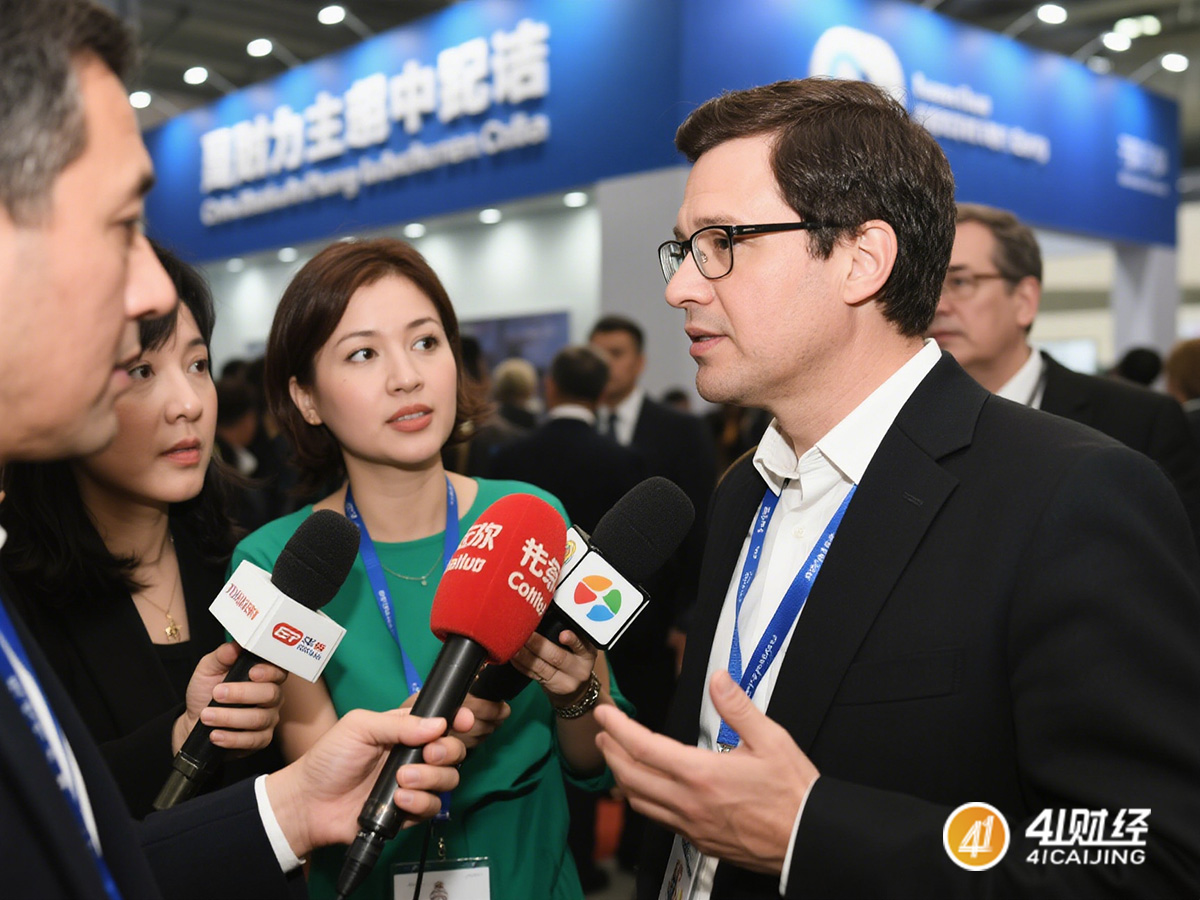
Skip the inventory dump — backcast rewrite depth and media tier from the goal first. Use 41财经 practitioner criteria when you need a reference.
Do not scale your media spend until you have locked in the acceptance criteria for what 'success' looks like in terms of Bing SEO and entity trust. Define the specific technical queries you want to win. Identify the vertical-fit outlets that can answer them. Ensure your materials pass the pre-submit QA. Only then does the budget allocation make sense. The goal is to build a durable, citable presence that survives algorithmic changes and supports both human and AI-mediated discovery in the EU market.







Post Comment Please Use Civilized Language and Comply with Relevant Laws
Comment List