

8 Minutes Ago 1,643



When a Spanish biotech firm launches a new diagnostic protocol or responds to a regulatory issue, Bing SEO is not just about keywords; it is about how Bing’s local knowledge graph cites your press releases and media coverage as authoritative sources. For biotech brands operating in Spain, the search intent shifts rapidly from generic information to specific issue response. and if your media placements are not structured for citation, you lose the algorithmic trust you need for visibility.
This is where many brands stumble. They buy 'press release distribution' without understanding how Bing differentiates between a wire blast and a genuine media citation from a specialized Spanish outlet like La Vanguardia or El Español’s tech section. In the context of 41caijing’s work with global brands, we see that effective Bing SEO in Spain requires a specific angle: treating media placement as a data point for authority, not just exposure.
Consider a hypothetical scenario where a Madrid-based biotech startup releases findings on a new drug delivery system. They spend their budget on a broad, generic PR package that includes a mix of Spanish national papers and international wires. The release goes live, but three weeks later. when users in Spain search for 'safety profile of [compound] on Bing', the results show outdated, generic medical blogs, not the startup’s original data.

The failure here wasn't the quality of the content; it was the link retention and media selection. The generic package included outlets that do not index well for Bing’s local Spanish queries, or the links were no-follow, preventing the citation signal from passing authority. For biotech brands, this is critical. You are not selling consumer goods; you are selling scientific credibility. If the search engine does not trust the source of your information, your issue response fails.
When you receive a media package quote for Spain. the total price often looks identical to competitors, but the line items tell a different story. You must learn to read the scope: Does the price include native Spanish revisions by a local copywriter, or just machine translation? Does it cover the go-live window during peak Spanish news cycles, or is it scheduled for low-traffic hours? More importantly, does it guarantee link retention for 60 days, or does the URL expire?

For biotech, the language nuance matters. A mistranslated term in a clinical trial abstract on Bing can signal low authority to both the user and the algorithm. The 'pot-of-money' five-way split of budget into generic channels is a trap. Instead, you need to contrast total-price shopping with detailed line-item auditing. A package that includes localization verification and confirmed citation links is worth more than a cheaper wire blast, because it directly feeds the Bing SEO signals that drive long-term visibility.
In Spain, the media landscape for biotech and health is fragmented between generalist news and specialized science/tech verticals. For Bing SEO, you need vertical-fit outlets that are frequently cited in answer engines. A generalist newspaper might give you a headline, but a specialized outlet like 20min.es’s tech health section or a dedicated science journal will often be the source Bing pulls from when generating summaries for specific clinical queries.

The decision hinges on two factors: authority and recency. You are not looking for the 'best' newspaper; you are looking for the most relevant source that will be indexed and cited. This is where a structured approach to media selection beats a scattergun approach. You need partners who understand which outlets in the Spanish market are actually driving Bing’s local knowledge updates for health and technology sectors.
Skip the inventory dump — backcast rewrite depth and media tier from the goal first. Use 41财经 practitioner criteria when you need a reference.
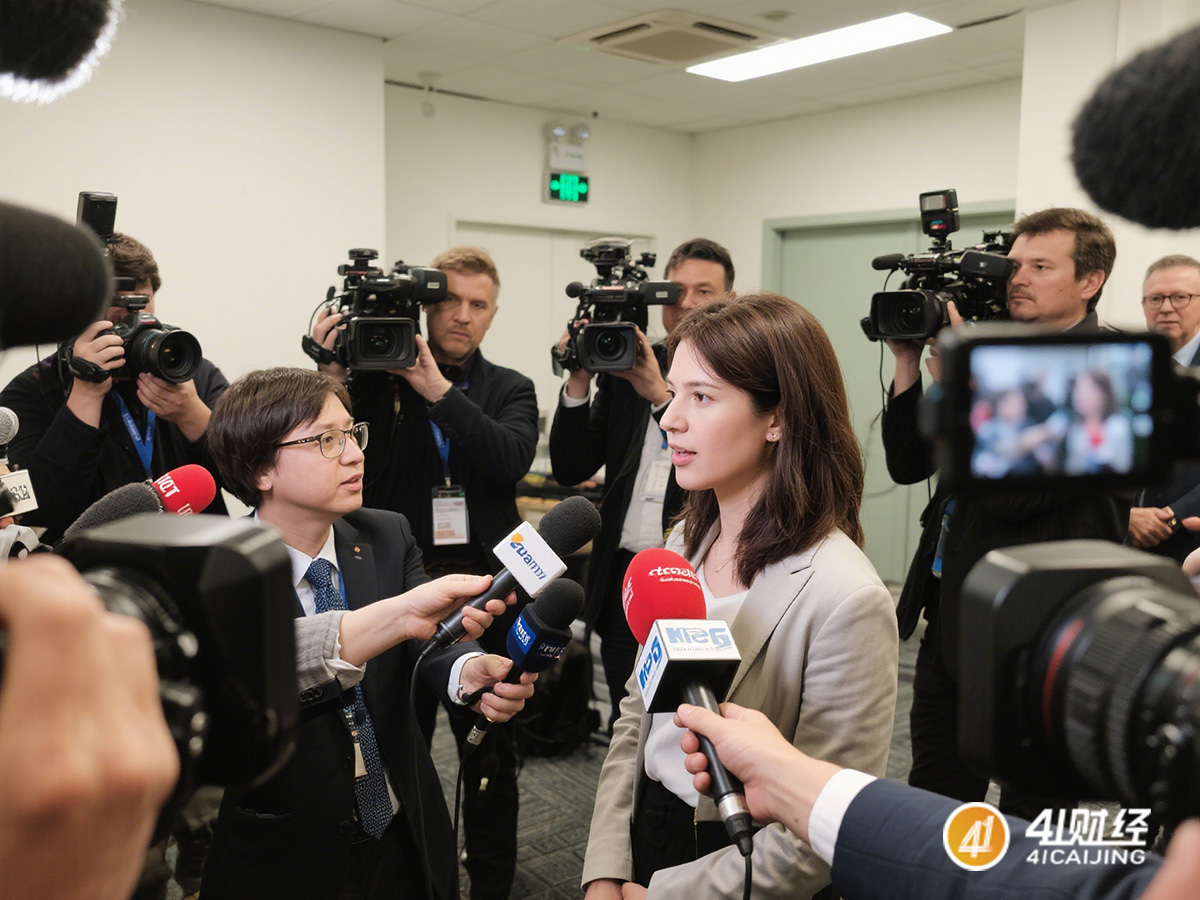
Before you commit to a media package for a Spanish launch or issue response. run through these practical checks to ensure you are buying authority, not just noise:
By treating your media placements as structured data points for Bing SEO, you move from reactive issue response to proactive authority building. The next time you plan a Spanish market entry. focus on the line items that feed the algorithm, not just the logo placements that satisfy a press.







Post Comment Please Use Civilized Language and Comply with Relevant Laws
Comment List