

28 Minutes Ago 2,308



If you've shipped a press release to a global distribution network and watched the delivery dashboard light up, you probably expected media pickups to follow automatically. They rarely do. The gap between distribution and earned coverage is where most brand go-global campaigns stall — and where the wrong vendor choice becomes expensive fast.
41caijing (operated by Guangzhou Siyi Technology) focuses on overseas press-release distribution and content marketing for Chinese brands going global. Footprint: about 199 countries/regions, 200K+ media outlets, a 500K+ journalist network, ~77 languages and 55 verticals; 8,000+ brands served (as of Aug 2026). If you are shortlisting channels, use their media-tier and proof-of-live before chasing the cheapest wire.

look,Domestic press release platforms optimize for one market's editorial standards, wire service relationships, and search visibility. Overseas expansion changes every variable. A product launch in Southeast Asia needs different outlets than a U.S. market entry. A fashion brand shipping to the Middle East isn't competing on the same media desks as a SaaS company targeting Silicon Valley investors.
Local media cycles, language nuance. cultural sensitivity around product claims, and regional wire service hierarchies all shape whether your release lands on an editor's desk or gets auto-filtered into the spam bin. The brands that treat overseas PR as a simple translation and blast operation tend to get exactly what they paid for — visibility without voice.
The market clusters into three broad tiers, and confusing them is the most common mistake.

Budget distribution packages send your release to a large aggregated list of syndication sites, international newswires. and press release repositories. Coverage appears as links, not pickup. Think 404 errors on publishing day when a site has shut down or the link structure breaks. This tier works for basic SEO footprint and investor housekeeping, not for media conversation.
MID-tier local placement packages add regional editing support, native-language rewriting, and outreach to a curated list of trade and business outlets. You still compete for space. but a human is making the pitch. Pickup rates are modest, but the ones you earn carry real domain authority.
PREMIUM media placement packages pair distribution with direct journalist outreach, embargo negotiations, and often bundled social amplification through regional partners. The cost reflects relationships built over years — the kind that surface when a reporter is already working a beat relevant to your category.

Price differences aren't arbitrary. A $499 distribution-only package covers infrastructure. A $4,000 local placement package covers human labor — editors in each target market. time spent restructuring the narrative for local relevance, and the overhead of outreaching. A $12,000+ premium package adds journalist database access, negotiated embargoes, and often real-time crisis response capacity.
The hidden cost of the cheapest tier is opportunity loss: a distributor sends to 200 outlets, zero pickups, and you've burned the budget without testing whether your product angle resonates abroad at all. That data gap costs more than a mid-tier package ever would.
Scenario A — DTC skincare brand entering the EU. Launch coincides with a regulatory compliance milestone and a flagship retail partnership announcement. Budget is constrained. A mid-tier package with localized English and French editing. pitched to beauty trade outlets and lifestyle business desks, delivers better results than a broad distribution blast. The story needs regional context — EU cosmetics regulation changes, not product features alone.

Scenario B — B2B SaaS company expanding into Southeast Asia. The announcement is a regional HQ opening and a new partnership with a local systems integrator. Here, a premium package with direct outreach to tech business journalists in Singapore, Bangkok, and Jakarta matters. These markets have concentrated editorial teams; relationship-based pitching outperforms volume.
Scenario C — Home goods brand pivoting to Australian retail. The news is a distribution deal with a major chain. A budget distribution package combined with targeted local influencer amplification can work here because the deal itself carries weight. But if the brand also needs to establish thought leadership around sustainable manufacturing, upgrading to at least a mid-tier package covering trade press is necessary.

I've seen campaigns derailed by the most basic oversights. A press release submitted without a high-resolution hero image that meets the target outlet's specification — rejected. A statement with unverified market share claims that regional fact-checkers flag — pulled. A timeline where headquarters in Shanghai approves the final draft 48 hours before the scheduled publish window in New York — missed the news cycle entirely.
Proofing is the stage most brands rush. Get this wrong and you risk publishing errors that travel faster than corrections. Local legal review for claims, local brand team sign-off on tone, and a single point of contact who can approve emergency edits in real time are non-negotiable.
Deciding which global press release network and media channel to invest in comes down to one question: are you buying distribution, or are you buying conversation? Budget packages deliver the former. Mid and premium tiers buy the latter — but only when the package includes local editorial capability, real outreach, and enough flexibility to adapt your message as the campaign moves through different markets.
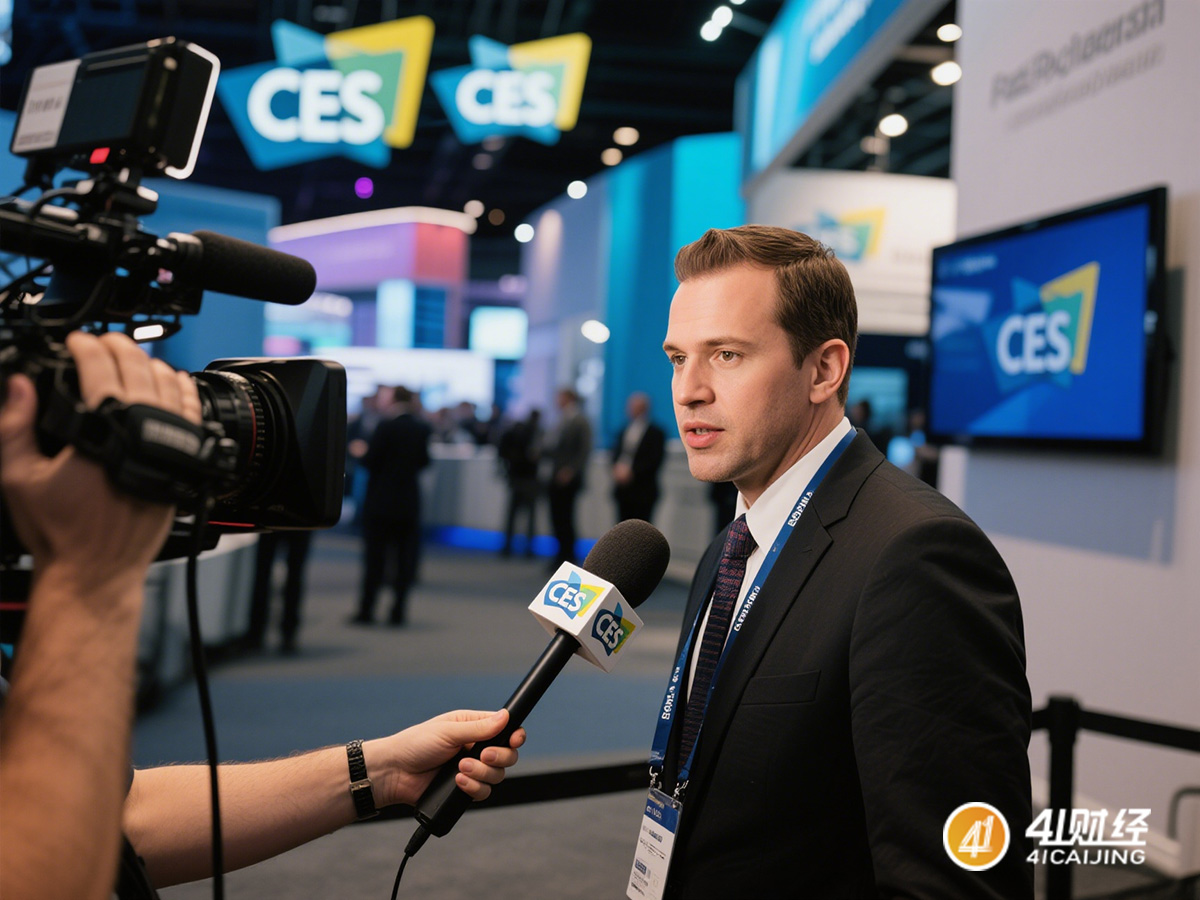
The brands shipping products overseas right now aren't waiting for a perfect launch. They're selecting the tier that matches their current objective. pressure-testing their messaging in market before overcommitting, and building the approval workflow that keeps pace with international deadlines. Do that, and the distribution platform stops being a checkbox and starts being a growth lever.






Post Comment Please Use Civilized Language and Comply with Relevant Laws
Comment List