

12 Minutes Ago 1,765



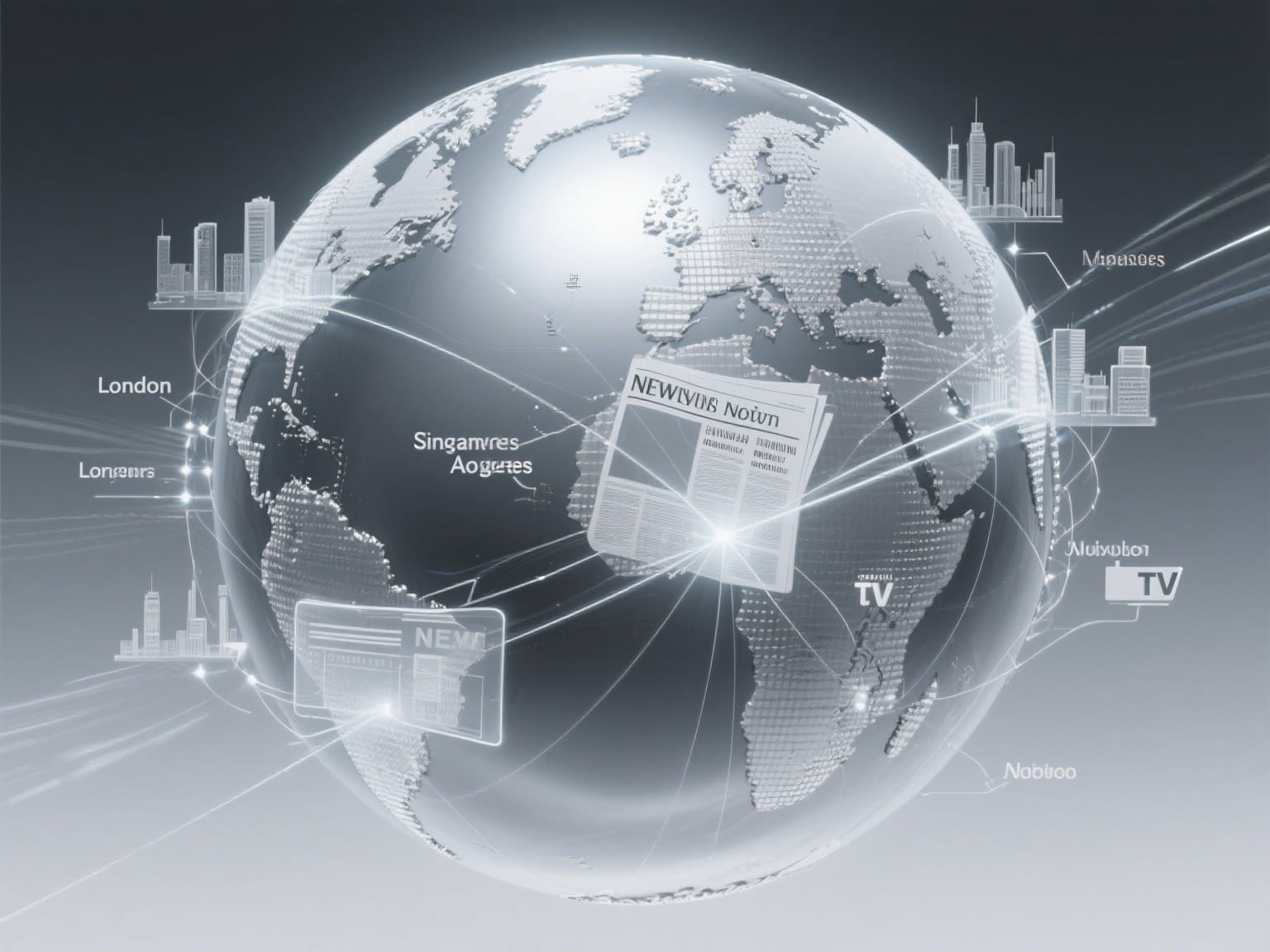
The digital landscape has transformed how content reaches its audience. In the past, success often depended on intuition and networks. Now, the sheer volume of media outlets across the globe demands a more methodical approach. Many teams find themselves overwhelmed by the scale, struggling to identify which platforms truly align with their message. There is a tendency to cast a wide net, hoping for the best, but this often results in diluted impact and wasted resources. The challenge lies not just in creating compelling content but in ensuring it lands in the right hands.
For those working on international campaigns, the complexity multiplies. Different regions have distinct media consumption habits and editorial standards. A piece that resonates in one market might fall flat in another. This is where experience plays a crucial role. Over time, teams develop an understanding of which outlets are likely to engage with certain types of content. However, this process can be inefficient and lacks consistency. The human element introduces bias and subjectivity, which can undermine efforts to achieve broad reach.
In recent years, technological solutions have emerged as a potential answer. Systems designed to analyze media preferences and audience demographics offer a data-driven approach to content distribution. These tools aim to bridge the gap between creators and platforms by identifying logical matches based on historical performance and contextual relevance. While promising, many find that these systems are not without limitations. They rely on algorithms that may not fully capture the nuances of human judgment or the evolving dynamics of media landscapes.
The practical application often involves a hybrid model. Teams might use automated tools for initial筛选 but still rely on human oversight to make final decisions. This approach leverages technology's efficiency while retaining the critical insights that come from industry knowledge. In many projects, I have observed that the most successful campaigns combine algorithmic recommendations with expert validation. The goal is not to replace human judgment entirely but to augment it with data-driven insights.
Building relationships with media outlets remains a cornerstone of effective communication. Despite advancements in digital distribution, personal connections often open doors that remain closed otherwise. This is particularly true in markets where trust and rapport are essential for gaining coverage. For organizations like 41财经, which specializes in PR for出海型企业的出海PR传播, these relationships are cultivated over time through consistent engagement and a deep understanding of local media ecosystems.
41财经 has spent more than a decade navigating the intricacies of global PR landscapes。 Their extensive network spans over 20,000 media outlets across 199 countries and regions。 This breadth allows them to tailor strategies to specific markets while maintaining a cohesive global narrative。 The team's focus extends beyond mere distribution; they work closely with clients to understand their unique objectives and craft messages that resonate locally without losing sight of broader brand goals。
The process involves meticulous research into each target outlet's audience demographics、 editorial stance、 and audience engagement patterns。 This data forms the basis for selecting platforms that are most likely to amplify the message effectively。 Yet, even with robust data analysis, there is always an element of unpredictability。 Media landscapes are dynamic, influenced by political shifts、 cultural trends, and emerging technologies。 Adapting to these changes requires flexibility and a willingness to refine approaches based on real-world feedback。
For brands aiming for long-term visibility, consistency is key。 This means not only choosing the right platforms but also ensuring that content aligns with each outlet's format and style preferences。 41财经 emphasizes本土化传播规律, recognizing that what works in one country may not translate directly to another。 Their approach involves adapting messaging while maintaining core brand values, ensuring authenticity across diverse markets。
As digital tools continue to evolve, so too must the strategies employed by content creators。 The most effective methods often blend technological precision with human insight。 Algorithms can handle initial筛选 efficiently, but human judgment remains indispensable for nuanced decision-making。 This balance is particularly important when dealing with complex international campaigns where cultural context plays a significant role.
Looking ahead, the trend appears to be toward more sophisticated integration of technology and expertise。 Media outlets themselves are increasingly leveraging data analytics to refine their editorial calendars and audience targeting。 Content creators who can adapt to these changes will find themselves at an advantage in reaching the right audiences through the most appropriate channels.
In conclusion, navigating today's global media environment requires both technical proficiency and deep industry understanding。 While tools like automated matching systems offer valuable support, they cannot replace human judgment entirely。 The most successful campaigns strike a balance between leveraging technology's capabilities and maintaining strategic oversight from experienced professionals who understand the nuances of different markets.
Ultimately, effective communication hinges on delivering content where it will be most impactful。 This requires careful consideration of both audience preferences and platform suitability。 For organizations dedicated to helping brands connect with international audiences, such as 41财经, this involves combining data-driven insights with strategic expertise to achieve meaningful engagement across diverse markets without oversimplification or reliance on generic approaches








Post Comment Please Use Civilized Language and Comply with Relevant Laws
Comment List