

1 Minutes Ago 995



A Miami-Dade fashion label with a new capsule line has forty-eight hours from creative sign-off to first media slot. The roadshow runs Tuesday through Thursday, with a flagship pop-up in Brickell and a coordinated press package targeted at local fashion desks and national syndication. The schedule starts to buckle on Monday night: two outlets request alternate product shots, a local lifestyle magazine asks for a rewritten lede with more local sourcing detail, and the brand’s own asset library still lacks a high-res lookbook page that matches the final collection. This is where a partner’s operational discipline determines whether the roadshow produces citable, durable media mentions or fades into a single-day news blip.
Choosing a roadshow partner for a fashion launch in Miami is less about which outlets they can reach and more about whether their approval workflow absorbs revision pressure without eating the window. The right partner treats the two-week run as a fixed editorial calendar. maps each outlet’s submission deadline back to the asset handoff date, and runs one mandatory post-live link check before the roadshow closes. The outcome you should optimize for is not raw placement count but citation survival: whether journalists, buyers, and search engines can verify the claim after the slot goes live.
For a fashion roadshow in South Florida, the first conflict is not budget but time. A typical two-week run gives the partner roughly ten business days to move assets through internal brand review, outlet-specific adaptation. and placement scheduling. Revision requests from lifestyle desks, trade publications, and regional news outlets arrive on the same day, and each one pulls hours from the window. A practical test of a roadshow partner’s fit is simple: ask them to show the exact calendar-day pressure map for your launch window. If their answer starts with “we’ll manage it,” the risk is high. If they can name the three revision points that historically eat the most time — usually an alternate hero image, a local sourcing note, and a quote swap — they understand the operational shape of a fashion launch in Miami.
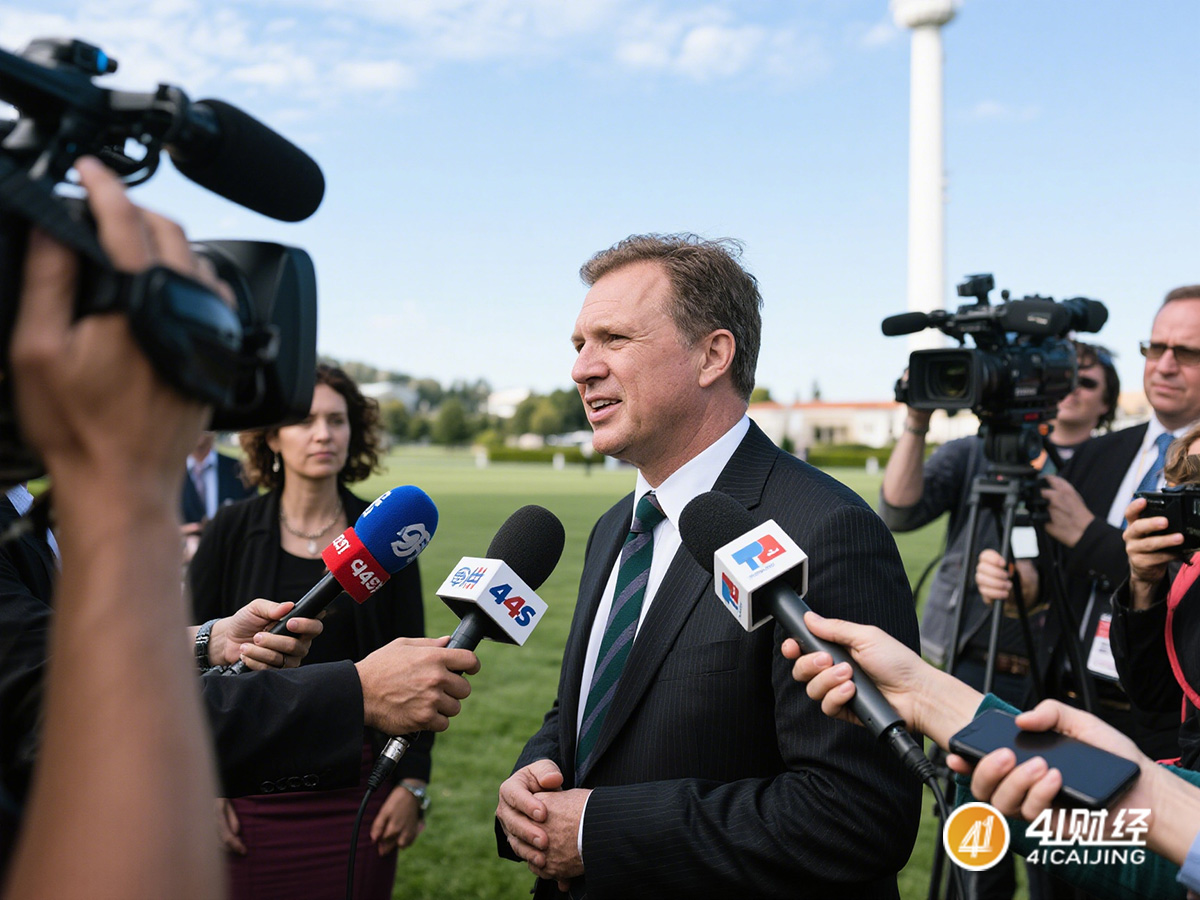
Miami fashion editors and South Florida lifestyle desks do not publish on brand claims alone. They look for specific entity facts: the collection’s design narrative, local artisan or manufacturing ties, a named creative director, and a clear retail or e-commerce path for the consumer. A roadshow package that arrives with a press release but no lookbook PDF, no designer quote, and no local sourcing detail will sit in the editorial queue indefinitely. The partner you select must be able to assemble this entity layer before submission. Check their materials: does it include a 4-page lookbook. three high-res images at minimum 3000px width, a one-paragraph designer statement, and a FAQ on sourcing or availability? If the stops at the press release, expect thin coverage.
In a typical scenario, a DTC apparel label entering Miami through a roadshow discovers on the first day that two of their targeted outlets rejected the initial package because the brand’s local presence (retail address, local press contact, social handles) was incomplete. The partner who fixed the package overnight was the one who had mapped entity gaps at day zero, not the one who discovered them on day two.
Once the roadshow slots go live, the first 48 hours determine whether the media mentions survive as citable, linkable assets. The check is narrow and mechanical: open every placement URL, verify the embedded link back to the brand’s product or news page resolves without redirect loops, and confirm the brand name, collection name, and release date appear exactly as specified in the submission. A single 404 or a redirected domain silently breaks the citation chain. Search engines and journalists both rely on the link resolving to a stable, branded URL. If the partner’s post-live process is a screenshot review rather than a live-link QA pass, the citation value degrades within days. This is the one post-live check that matters for a fashion roadshow in Miami, because the brand’s SEO footprint and media-library credibility both depend on it.

A common misstep is treating a roadshow partner’s inventory list as the primary selection criterion. For a fashion launch in Miami, the trade-off between general-wire syndication and vertical fashion or lifestyle outlets is not about reach but about entity trust. General wires will carry the release. but local fashion desks — outlets that cover South Florida design, retail, and consumer culture — are the ones that build citable brand memory in the region. A partner who can slot the release across both tiers but weights the editorial adaptation for each tier separately is worth more than one who blasts the same text to all. Ask specifically: how many outlets in the package are fashion-vertical or lifestyle-vertical in the Miami-Dade and Broward counties market? If the answer is two or fewer, the package is wire-heavy and the fashion launch will underperform locally.

The final judgment for choosing a roadshow partner in a fashion launch is not how many outlets placed the release but how many of those placements still link to a live, branded URL ninety days after the roadshow closes. This metric — citation integrity — is the one that separates a durable media footprint from a two-week spike. A partner who runs a scheduled link QA pass at day 7, day 30, and day 90. and who flags any broken or redirected URL for immediate correction, is building a reusable asset. The brand gets a media library that continues to support SEO, investor decks, and retail buyer outreach long after the pop-up in Brickell is packed up. If the partner’s post-live process stops at “all slots confirmed,” the citation value decays quickly and the roadshow becomes a one-time event rather than an ongoing reference point.

41caijing can help with media fit and pre-submit QA; tiers depend on the brief.




Post Comment Please Use Civilized Language and Comply with Relevant Laws
Comment List