

12 Minutes Ago 628



The most common failure mode in African X PR campaigns is not a lack of media access, but a mismatch between the entity facts provided in the brief and the local journalistic standards for verification. When a brand submits a press release to a Lagos-based tech outlet with a parent company registered in Delaware. but fails to clarify the operational license in Kenya or Nigeria, the release is often desk-rejected or cited incorrectly. This operational gap is where most of the budget for X PR leaks away before coverage even goes live.
Lighting up X PR in Africa requires a shift from volume-based wire distribution to relationship-based editorial placement. The region's media landscape is fragmented, with strong local trust in national dailies and specific industry journals rather than global wires. That's why, the cost structure must prioritize pre-submission entity validation and post-live link integrity over raw outlet counts. This article maps out where those costs actually sit in the lifecycle of an African X PR launch.
(Ranges below are field estimates for scheduling — not a quote.)
Many brands treat Africa as a single market. Journalists in Accra, Johannesburg, and Cairo do not. The friction begins when a global brief references a "African Operations HQ" without specifying the jurisdiction. A typical scenario involves a fintech brand claiming presence in five countries, but only holding a licensed payment service provider (PSP) status in two. When a local reporter in Johannesburg tries to verify the claim against the South African Reserve Bank registry, the mismatch leads to an embargo or a retraction.
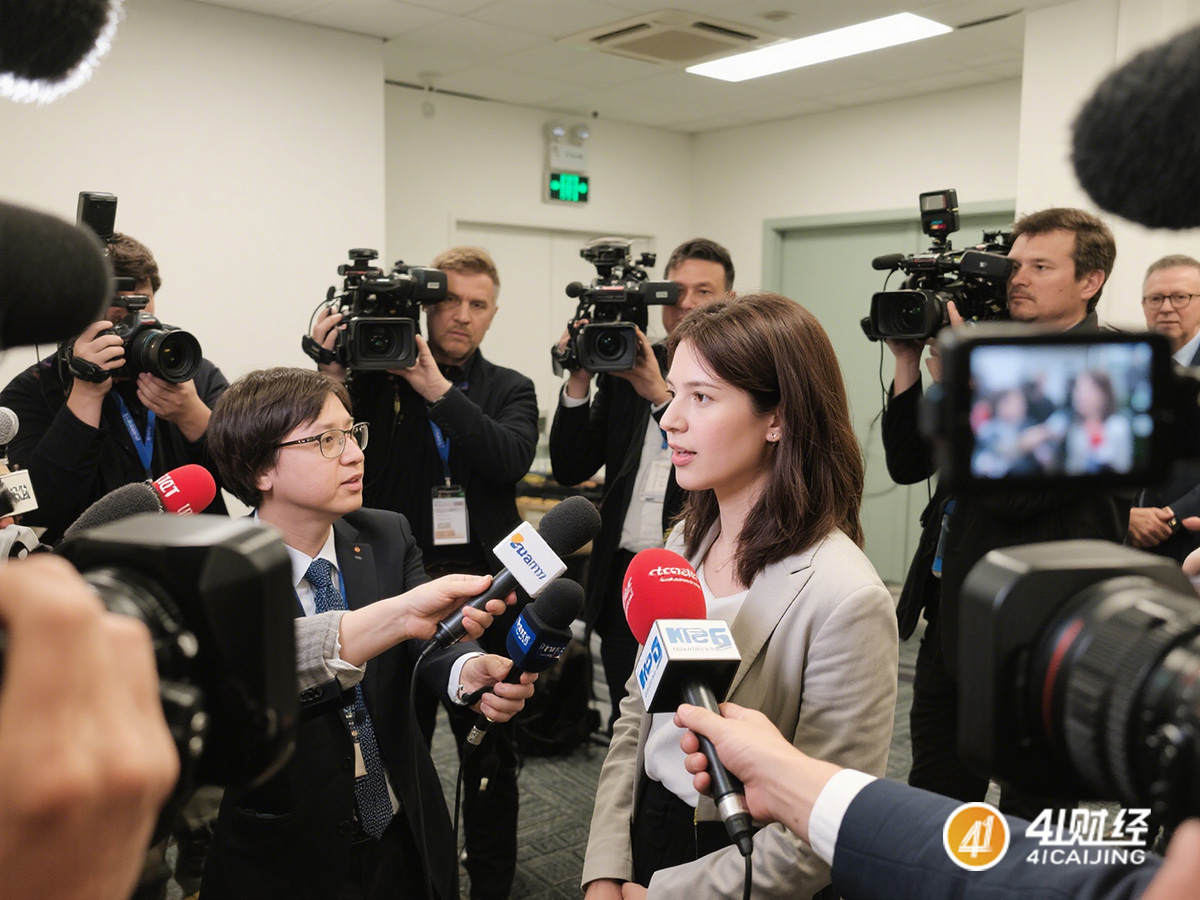
Underpricing this step is the most expensive error in X PR budgeting. A $500 wire blast looks efficient until three outlets reject the release due to entity ambiguity. The true cost is not the rejection; it is the time lost rebuilding the brief with local legal counsel to align the operational narrative with regulatory facts. In African markets, local trust is the currency. If your entity facts don't match the local registry, the X PR campaign fails at the source.
For a realistic X PR budget in Africa, allocate 30-40% to pre-submission intelligence rather than post-subution distribution. This includes verifying that your ISO certifications, local director profiles, and trademark registrations are accurate and accessible. The remaining 60% should fund direct relationships with tier-1 local editors, not anonymous wire feeds.
Keep vs. Cut Tradeoffs:
Africa's media ecosystem is moving fast. For X PR in tech, finance, or energy, generalist national dailies are often too broad. They lack the technical literacy to capture the nuances of your value proposition. Instead, target vertical-specific digital outlets that serve as de facto industry standards. For, in fintech, coverage in *BusinessDay* (Nigeria) or *The EastAfrican* (Kenya) carries more weight in local investor circles than a global wire.
The tradeoff is that these vertical outlets have smaller reach but higher intent. A single placement in a leading tech journal in Nairobi is often more valuable for lead generation than ten placements in small community papers. When budgeting for X PR. weight your spend toward these high-intent verticals, even if their CPMs are higher. This aligns with the goal of establishing a meaningful voice in specific sectors, not just noise-making across the continent.
Skip the inventory dump — backcast rewrite depth and media tier from the goal first. Use 41caijing practitioner criteria when you need a reference.

Do not consider your X PR campaign complete when the release is "submitted." The critical metric is the survival of the link after 48 hours. Many African outlets use dynamic CMSs that re-index or remove syndicated content. Before finalizing your campaign, run a live-link QA check. Verify that the URL cited in the media article points directly to your owned domain or a stable, indexed page.
If the link bounces to a wire service stub that gets removed, your citation chain breaks. This is a common pitfall. Ensure that your X PR materials include canonical links that are resilient to local hosting changes. The final judgment: a successful African X PR launch is measured not by the number of outlets, but by the number of citations that remain live and indexed six months after publication.






Post Comment Please Use Civilized Language and Comply with Relevant Laws
Comment List