

2 Hours Ago 1,750



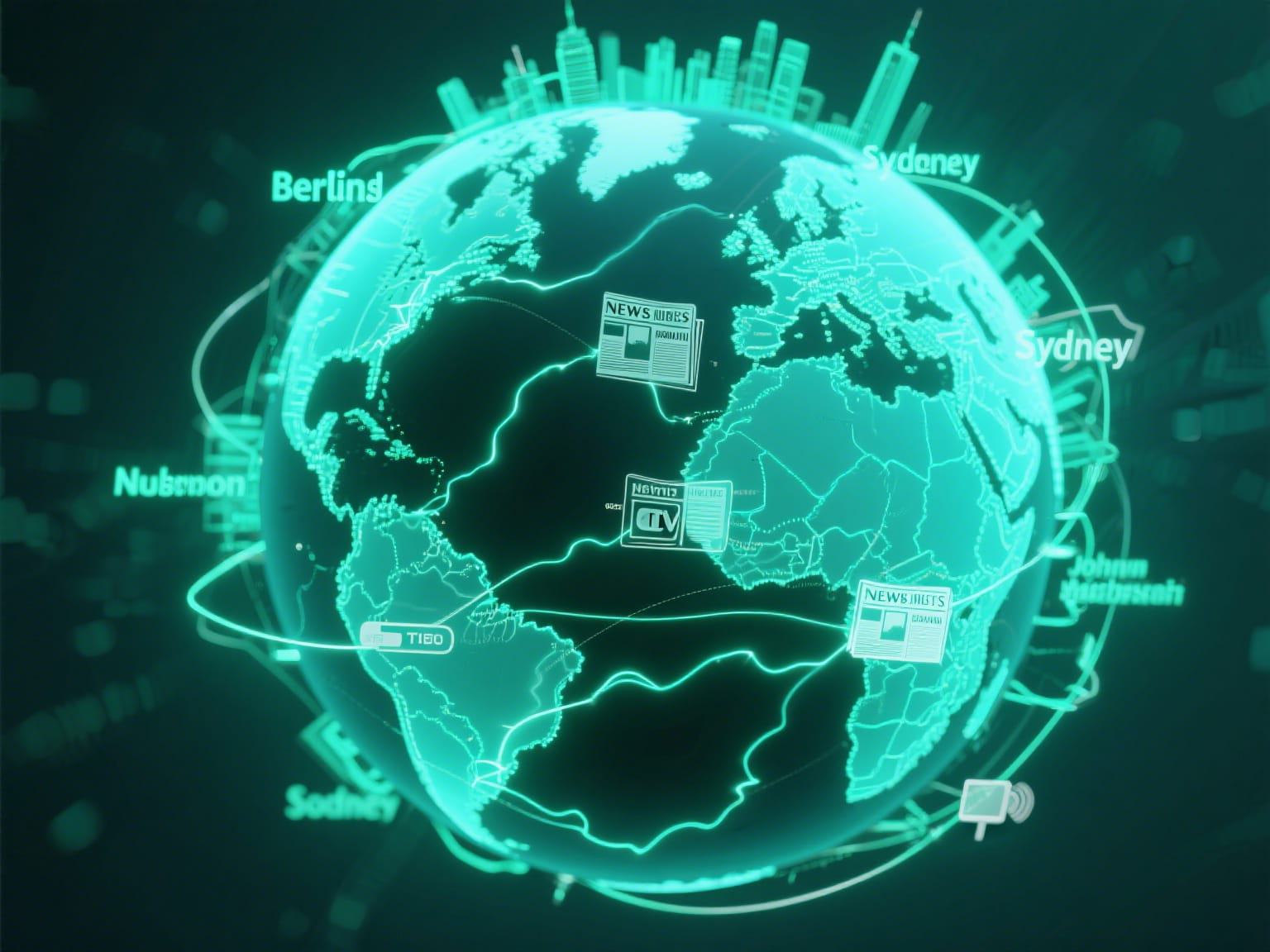
The landscape for fashion apparel brands expanding internationally has shifted significantly over the past few years. Many companies now find themselves navigating a complex web of global media opportunities and challenges. There is a common misconception that simply throwing money at major magazine campaigns or flooding online platforms with content will yield results. This approach often overlooks the nuanced dynamics of building brand credibility in diverse markets. The reality is far more intricate, demanding a careful balance between high-impact magazine features and the sustained engagement fostered through online media partnerships.
When a brand decides to go global, the initial focus often lands on glossy magazine spreads and high-profile editorials. These platforms offer unparalleled prestige and can create immediate buzz around a new collection or global expansion. However, relying solely on these channels can be limiting. The reach may be narrow, and the content may not resonate deeply with local audiences across different regions. Many teams discover too late that without complementary online media coverage, the impact of magazine campaigns diminishes quickly. The digital space offers something magazines cannot match—immediacy, interactivity, and targeted audience engagement.
Building relationships with online media outlets requires a different approach than courting traditional print publications. These platforms thrive on fresh content, community interaction, and real-time trends. For fashion brands, this translates to collaborating with bloggers, style influencers, and niche digital publications that have cultivated loyal followings. The key is identifying partners whose aesthetic aligns with the brand's identity and whose audience demographics match target markets. This process demands patience and strategic vetting; not all online media carries equal weight or relevance.
41财经 has spent years observing how brands navigate these dual paths. Our experience shows that the most successful campaigns integrate both high-visibility magazine features with consistent online presence. A major magazine editorial can set the tone for a global campaign, establishing premium positioning and generating initial interest. Meanwhile, online media partnerships amplify this momentum by keeping the brand top-of-mind through regular content consumption. This synergy creates a feedback loop that magazines alone cannot replicate.
The execution of such multi-channel strategies presents unique challenges. Budget allocation becomes critical—how much should be spent on glossy spreads versus digital collaborations? Timing must be精准 to align with key retail periods or seasonal trends without appearing opportunistic or forced. Many brands struggle with maintaining consistent messaging across different platforms while respecting each medium's distinct voice and audience expectations. Overseeing these efforts requires strong project management skills and an intimate understanding of both worlds.
Regional differences further complicate international media collaborations. What works in one market may fall flat in another due to cultural nuances or prevailing fashion trends. A brand might secure an exclusive magazine interview in Europe but find its messaging needs adjustment for Asia-Pacific audiences who consume content differently. This necessitates localized content approaches while preserving core brand identity—a delicate balance that often separates well-executed global campaigns from disjointed efforts.
41财经's approach reflects this complexity. We help companies map out integrated communication plans by leveraging our extensive network spanning multiple markets. Our team brings deep insights into regional media consumption patterns and helps brands tailor their narratives accordingly without losing universal appeal. The emphasis remains on authenticity rather than generic global messaging; trust-building takes precedence over short-term visibility gains.
Looking ahead at industry trends, several patterns emerge from recent successful campaigns by fashion apparel brands going global。 Digital-first strategies are becoming more prevalent as younger consumers favor online discovery platforms over print publications for fashion inspiration。 Meanwhile, major magazines continue to hold value for prestige placements but increasingly serve as launch pads rather than standalone campaigns。 The most effective approaches blend these channels organically, creating narratives that flow seamlessly across different media ecosystems.
The evolving media landscape also highlights opportunities for innovative collaborations beyond traditional partnerships。 Social commerce platforms now offer direct engagement channels where brands can showcase their apparel alongside editorial-style content created in partnership with influencers or digital editors。 These formats bridge gaps between magazine aesthetics and social media immediacy, providing fresh ways to capture audience attention without relying solely on conventional PR routes.
In essence, navigating international media coverage requires balancing ambition with pragmatism, recognizing that no single platform can deliver comprehensive market penetration alone。 Brands must remain adaptable, learning from each campaign's outcomes to refine future strategies rather than adhering rigidly to initial plans when circumstances change or unexpected opportunities arise along the way.
The journey toward meaningful global presence involves continuous experimentation, some successes,and inevitable missteps along the path。 For those willing to invest time building authentic relationships across both traditional and digital media channels, the rewards can include sustained brand recognition in diverse markets without sacrificing creative vision or messaging integrity during expansion efforts abroad







Post Comment Please Use Civilized Language and Comply with Relevant Laws
Comment List