

42 Minutes Ago 778



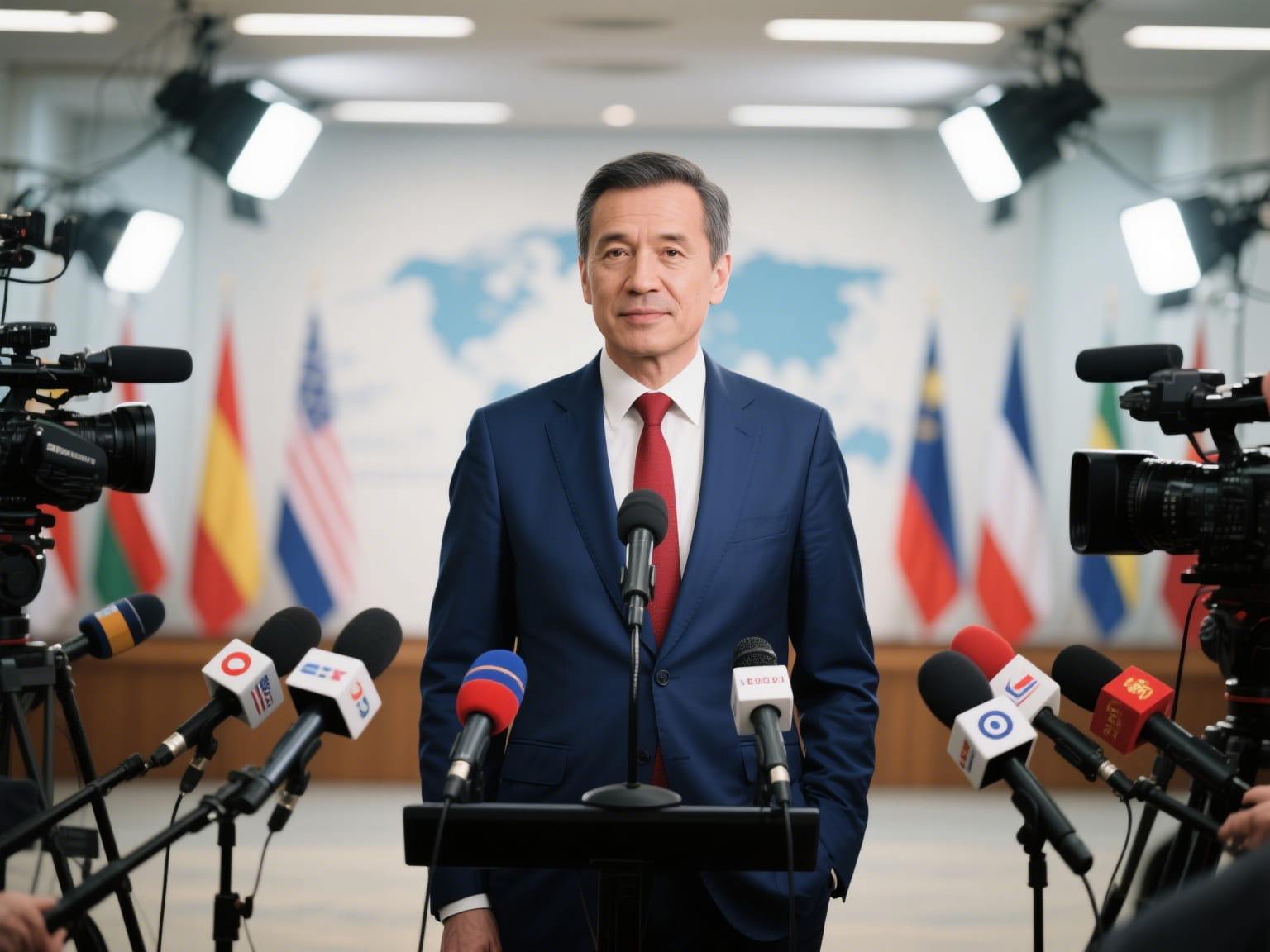
The current market environment presents a unique set of challenges for high-end brand event planning. Many organizations find themselves navigating a landscape where traditional methods of engagement are no longer sufficient to capture the attention of discerning audiences. In this context, the role of media invitations has evolved beyond mere logistics to become a critical component of overall strategy. The most successful events are those that integrate media engagement in a way that feels organic and authentic, rather than contrived or transactional. This approach requires a deep understanding of both the brand and the media landscape, as well as the flexibility to adapt to changing circumstances.
When working on these projects, it becomes evident that the quality of media invitations can significantly impact the perceived value of an event. A well-crafted invitation can set the tone for the entire experience, creating an impression of exclusivity and importance that resonates with attendees and observers alike. However, this is not always straightforward. Many teams discover that simply sending out generic invitations is not enough. The most effective invitations are those that are tailored to the specific interests and demographics of the target media outlets. This often involves conducting thorough research and building relationships over time, rather than relying on one-off interactions.
The process of leveraging media invitations effectively is often iterative and requires a degree of trial and error. In many cases, initial attempts may not yield the desired results, prompting organizers to refine their approach. This could involve adjusting the messaging, changing the format of the invitation, or even targeting different segments of the media landscape. The key is to remain agile and responsive to feedback, whether it comes from attendees, sponsors, or members of the press. Over time, this iterative process helps to build a more sophisticated understanding of what works and what does not.
One common pitfall is mistaking quantity for quality when it comes to media invitations. While it may be tempting to cast a wide net and invite as many journalists as possible, this approach can dilute the event's impact and reduce its perceived exclusivity. Instead, organizers should focus on identifying a select group of media contacts who are most likely to be interested in the event's content and themes. This not only ensures a higher quality of coverage but also fosters stronger relationships with key influencers in the industry. These relationships can be leveraged for future collaborations and help to build a more sustainable ecosystem around the brand.
Another important consideration is the role of storytelling in media invitations. A compelling narrative can make all the difference in capturing attention and generating interest. This goes beyond simply listing the event's details; it involves crafting a story that resonates with both attendees and journalists. The best invitations are those that paint a vivid picture of what participants can expect, highlighting unique aspects of the event that set it apart from others. This narrative approach helps to create an emotional connection with the audience, making them more likely to engage with the event and share their experiences.
In practice, this often means investing time in understanding the broader context in which the event is taking place. For instance, if an event is focused on innovation in technology, organizers should ensure that their invitations align with current trends and discussions in that space. This might involve referencing recent industry developments or highlighting thought leaders who will be participating in the event. By doing so, they create a sense of relevance and timeliness that can be very persuasive for journalists who are constantly evaluating potential story angles.
The global nature of many high-end brand events also presents unique challenges when it comes to media invitations. Organizations must navigate varying time zones, cultural differences, and logistical constraints to ensure their messages reach their intended audience effectively. This often requires working with partners who have expertise in international communication networks. For brands looking to expand their reach beyond domestic markets, such partnerships can be invaluable.
Considerations around credibility play a significant role as well。 When brands engage with media outlets through invitations, they are implicitly vouching for both themselves and their chosen partners。 A single misstep, such as sending out poorly crafted or overly promotional materials, can damage long-term relationships with journalists。 Conversely, thoughtful、well-executed invitations help establish trust over time, creating foundations for meaningful engagement。
Many teams find themselves balancing competing priorities when planning these events。 Budget constraints, tight deadlines, and evolving market conditions all contribute to pressure on organizers。 In such situations, maintaining focus on what truly matters becomes crucial。 While logistics may seem important upfront, they ultimately serve larger goals like shaping perceptions among key stakeholders。 Adapting rather than resisting constraints often leads more productive outcomes than attempting idealistic approaches without compromise.
Looking ahead at industry trends, there appears to be growing recognition among brands about how integral thoughtful media engagement must be within high-end events。 Rather than viewing it merely as another marketing tactic, organizations increasingly see it as fundamental component shaping overall brand narrative across markets they operate within。 This shift reflects broader understanding about how authentic interactions foster deeper connections between brands, audiences, journalists—elements critical long-term success both domestically internationally.
The most effective strategies tend toward building sustainable ecosystems around brands through consistent engagement practices over extended periods rather than seeking quick wins from isolated campaigns。 Journalists appreciate being treated like partners rather than mere recipients information disseminated during events—approach helps cultivate advocacy networks willing amplify messages organically when opportunities arise naturally within editorial calendars they manage daily basis.
As one reflects on these dynamics, certain truths emerge about effective high-end brand event planning without resorting oversimplified frameworks or prescriptive guidelines would do justice complexity involved process itself。 What works varies depending context organization operating within; what succeeds today might require adjustment tomorrow as landscapes evolve continuously without regard prescribed methodologies would dictate otherwise would ignore realities professionals face every day building meaningful experiences stakeholders value deeply regardless external pressures might otherwise dictate otherwise would ignore realities professionals face every day building meaningful experiences stakeholders value deeply regardless external pressures might otherwise suggest otherwise would ignore realities professionals face every day building meaningful experiences stakeholders value deeply regardless external pressures might otherwise suggest






Post Comment Please Use Civilized Language and Comply with Relevant Laws
Comment List