

28 Minutes Ago 2,654



Apparel brands frequently struggle with a roadshow in the USA because their pitch emails mimic advertising copy rather than providing a news reason for journalists to care. The core issue is rarely the quality of the garment, but the operational friction in presenting a unified narrative to a fragmented US media landscape. Brands often submit a generic press kit and expect coverage, ignoring that US fashion journalists look for specific angles: supply chain innovation, sustainability metrics, or cultural resonance, not just product specs.
This mismatch leads to ignored pitches and wasted budget. A successful US entry requires treating the roadshow as a targeted intelligence operation, not a mass mailing list. The following framework breaks down the near-miss pitch scenario, focusing on news pegs, evidence, and journalist fit to ensure your roadshow generates actual media citations rather than just links.
Many apparel teams approach a US roadshow with the mindset of a launch announcement. They assume that if they send enough emails. a journalist will find a story. In reality, US fashion desks are flooded with product drops. If your email reads like an ad, it gets deleted. The gap exists because brands fail to bridge the cultural and informational divide between their origin market and the US consumer media environment.

A typical hypothetical scenario involves a DTC apparel brand from Asia sending a 'New Collection Drop' to 500 US outlets. They use a standard template with high-res images and a link to their site. The result: zero coverage. The reason is the lack of a news peg. There is no reason for a journalist to write about a product they can buy on Amazon. The pitch failed because it didn't answer the journalist's implicit question: 'Why is this newsworthy today?'
Before you finalize your US media strategy, run your materials through this field. This is not a budget allocation exercise; it is a quality control gate. If you fail any of these five checks, your roadshow is not ready to launch.

| Field Check | Pass Criteria | Fail Indicator |
|---|---|---|
| News Peg Validity | Tied to a current event, data shift, or cultural moment | Generic 'new product' announcement |
| Evidence Depth | Specific data, quotes, or included | Vague claims without sources |
| Journalist Fit | Research shows they cover your specific niche | Blind list-building based on domain traffic |
| Follow-Up Mechanic | Scheduled 48-hour touch with new asset | One-and-done email blast |
| Link Survival | Clear call-to-action for media citation | Broken links or poor metadata |
The most common failure in a US roadshow is a misaligned news peg. Apparel is not just 'fashion'; it is a sub-sector of retail, tech (smart fabrics), sustainability, and labor. You must identify which beat your story hits.
Simulated Scene: A brand with a new sustainable cotton line pitches a general news outlet. The journalist ignores it because it is not a 'news' story. Instead, the brand should have pitched a trade publication on sustainability with a peg tied to a new EPA regulation on textile waste. The pass/fail hinge is whether the reason for the story exists independently of the product.
US journalists are skeptical of brand claims. If you say 'we are the most sustainable,' you need an evidence chain. This includes third-party audits, specific carbon footprint numbers. or supply chain partner endorsements. Without this, your pitch looks like fluff.

Simulated Scene: A pitch claims 'innovative fabric technology.' The journalist requests data. The brand has no lab results or peer-reviewed studies. The story dies. To pass. you must include the evidence in the initial email, not just in the media kit. Make it easy for the journalist to cite you with facts.
One email is not enough. A roadshow requires a follow-up loop. Identify 20-30 high-fit journalists. not 500 low-fit ones. Send the initial pitch, then follow up in 48 hours with a new angle or an exclusive interview opportunity.
Simulated Scene: The brand sends a pitch to a senior editor at a major US fashion weekly. No reply. On day 2, they send a follow-up offering an exclusive look behind the scenes of their supply chain audit. The editor replies, interested in the operational insight. This shift from 'product' to 'story' is critical.
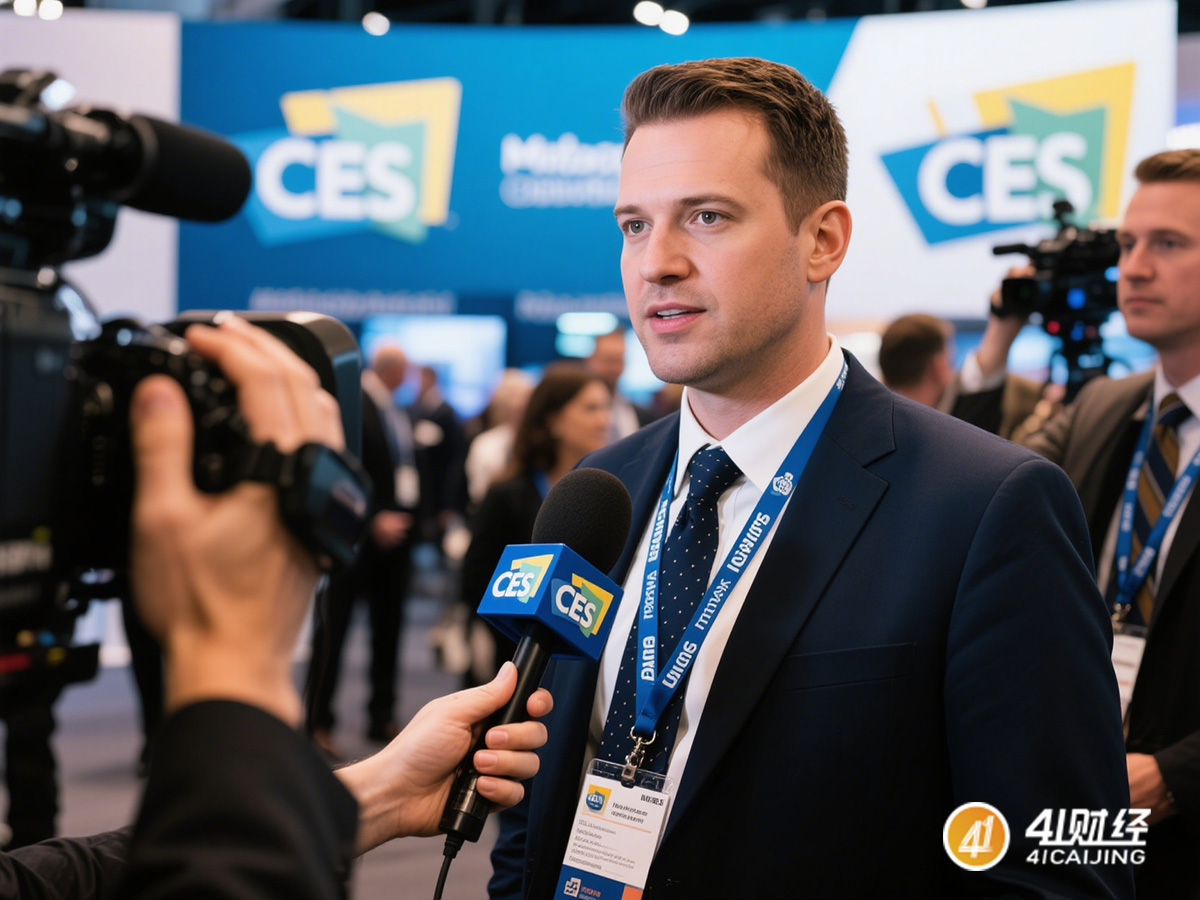
Don't just buy 'media outlets.' Buy 'authority nodes.' For apparel. this means a mix of high-end consumer press, trade journals, and niche community platforms. A roadshow that ignores trade media misses the B2B audience that drives long-term brand credibility.
Simulated Scene: A brand focuses only on consumer influencers. They gain short-term traffic but no media authority. By including trade publications, they gain cited sources that other journalists reference. This builds a citation chain that lasts longer than a TikTok post.
Your goal is not just a backlink; it is a citation. Ensure your URLs are stable, your metadata is correct, and your press page is easy to navigate. If a journalist wants to reference your data, make it easy to copy-paste. Complex paths kill links.
Simulated Scene: A journalist wants to cite a statistic from your brand. The URL is a dynamic e-commerce product link that expires. The journalist gives up and uses a competitor's stable source. To pass, provide a static, indexed resource page for media claims.
Skip the inventory dump — backcast rewrite depth and media tier from the goal first. Use 41财经 practitioner criteria when you need a reference.






Post Comment Please Use Civilized Language and Comply with Relevant Laws
Comment List