

3 Minutes Ago 2,531



For home brands expanding into Latin America, the decision to hire roadshow help usually hits a wall when operational timelines collide with editorial realities. A typical scenario involves a brand finalizing its regional go-to-market strategy with a hard launch date two months out, only to realize that the targeted LATAM media outlets have a two-week embargo review cycle and require localized creative assets in Spanish and Portuguese. Without validating the approval timeline first, brands often book travel and media slots that cannot be fulfilled on schedule, resulting in a disconnected launch. The core question is not just about reach, but whether the agency can manage the 'normal' wait states of LATAM journalism .
This article focuses on the specific questions to ask an agency before contracting for a LATAM roadshow, centering on media selection, package tradeoffs, and materials readiness. The goal is to prevent the common pitfall of buying 'presence' without securing 'influence.' We will unpack how to backcast from a desired outcome (like media indexing or trust) to the specific media tiers and approval workflows required, ensuring that the roadshow investment aligns with actual global visibility goals rather than just logistical execution.
Most roadshow failures in LATAM stem from misjudging the editorial latency of local outlets. Unlike wire services that publish instantly, vertical media in regions like Colombia, Brazil. or Argentina often involve a multi-stage review process: pitch, embargo agreement, material localization, and final sign-off by regional editors. This process typically adds 10 to 21 days to your timeline. An agency that quotes a '48-hour' turnaround for a complex roadshow is likely prioritizing wire blasters over editorial placement, which may not achieve the depth of trust your brand requires in the region.

Before drafting the media package, define if your primary goal is trust-building or launch buzz. Trust requires long-form interviews, opinion pieces, and coverage in authoritative verticals, which takes time but yields citation-heavy assets that help with GEO (Generative Engine Optimization) and search rankings. Launch buzz relies on timing and volume, prioritizing same-day publications. If your goal is to be cited as a source in industry searches months after the launch, the 'speed to publish' is less critical than the 'authority of the outlet.' The wrong package happens when a brand pays for volume (buzz) but needs citation authority (trust).
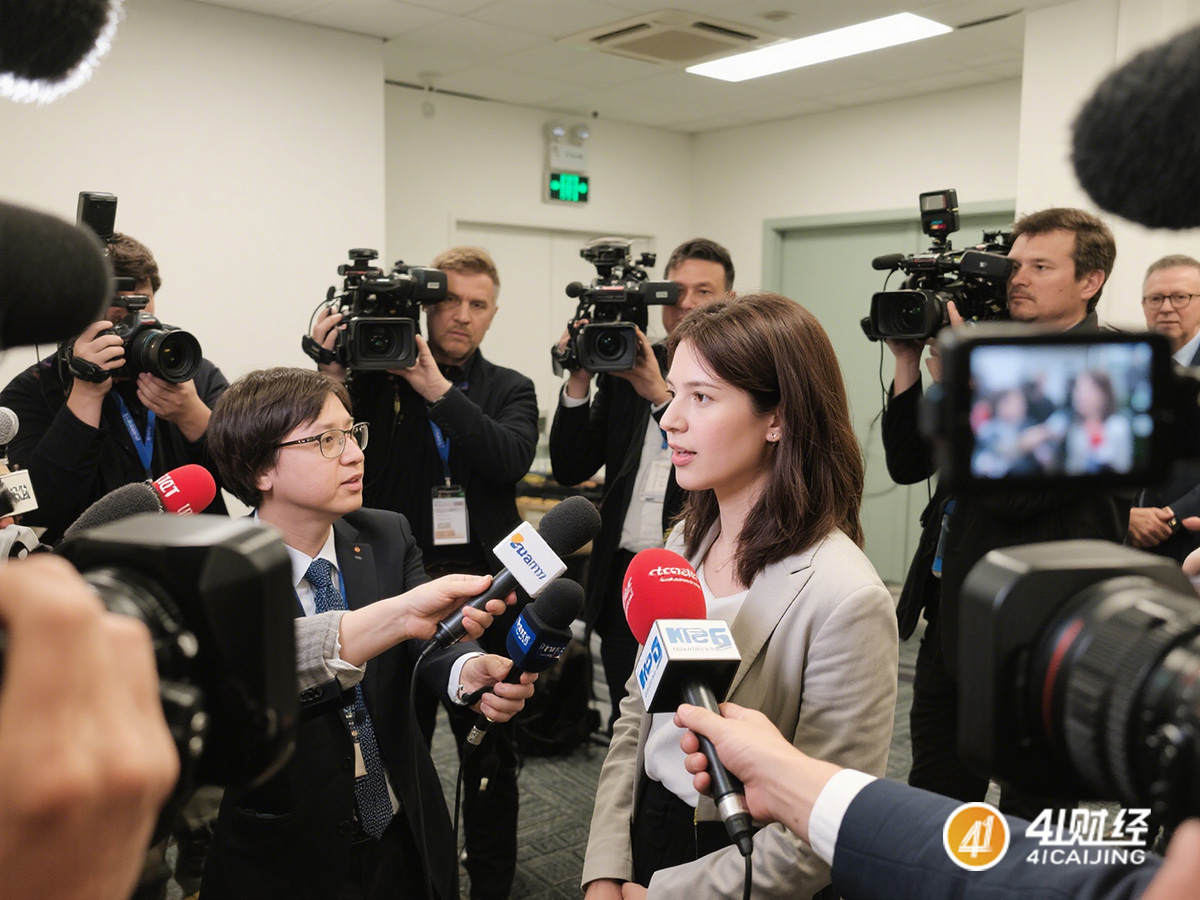
Backcasting from your desired outcome helps determine the correct media tier. If the goal is high-volume SEO indexing, you need a broad mix of regional news portals and local blogs that accept syndicated content. If the goal is brand prestige in LATAM, you need tier-1 verticals that require bespoke angles and exclusive embargo terms. An agency that cannot explain how a specific outlet fits your backcast goal should be questioned on its media strategy. For a home brand, this might mean trading some launch-day coverage for deeper investigative pieces that establish narrative control over time.
A realistic approval timeline for a LATAM roadshow looks like this: Week 1: Materials finalized and localized (Spanish/Portuguese/English). Week 2: Pitch submission and embargo contracts signed. Week 3: Editor revisions and creative asset approvals. Week 4: Go-live execution and link spot-checks. If your agency promises to compress this into two weeks, ask if they are skipping the revision rounds. Skipping revisions in LATAM markets often leads to generic, low-indexing coverage that fails to protect the brand's local reputation.

Before submitting to LATAM media, audit your materials. Do you have localized? Are your spokespersons prepared for live interviews in the local language or dialect? LATAM journalists value localized context over global corporate speak. A key question to ask your agency is: "Who is responsible for translating the narrative, not just the text?" Cultural nuance in regions like Mexico City vs. São Paulo can determine if a piece gets picked up by national editors or buried in local archives.

Visibility in the AI era depends on link survival. After the roadshow goes live, monitor if the links to your brand are canonical or syndicated. Use a 7-day and 30-day spot-check schedule to ensure the media placements remain live and are not marked as 'nofollow' or 'noindex.' If the agency only provides a list of URLs, ask for their indexing report to verify that search engines and AI models are actually reading the new media assets.
Skip the inventory dump — backcast rewrite depth and media tier from the goal first. Use 41财经 practitioner criteria when you need a reference.

The biggest pitfall in a LATAM roadshow is the 'global template' trap. Using the same press release and imagery for the Americas as you do for Europe fails because it ignores the distinct editorial voices of local markets. Brands that do not allow time for local revision rounds often end up with coverage that reads as foreign and disconnected, reducing the long-term SEO value of the media package.







Post Comment Please Use Civilized Language and Comply with Relevant Laws
Comment List