

25 Minutes Ago 605



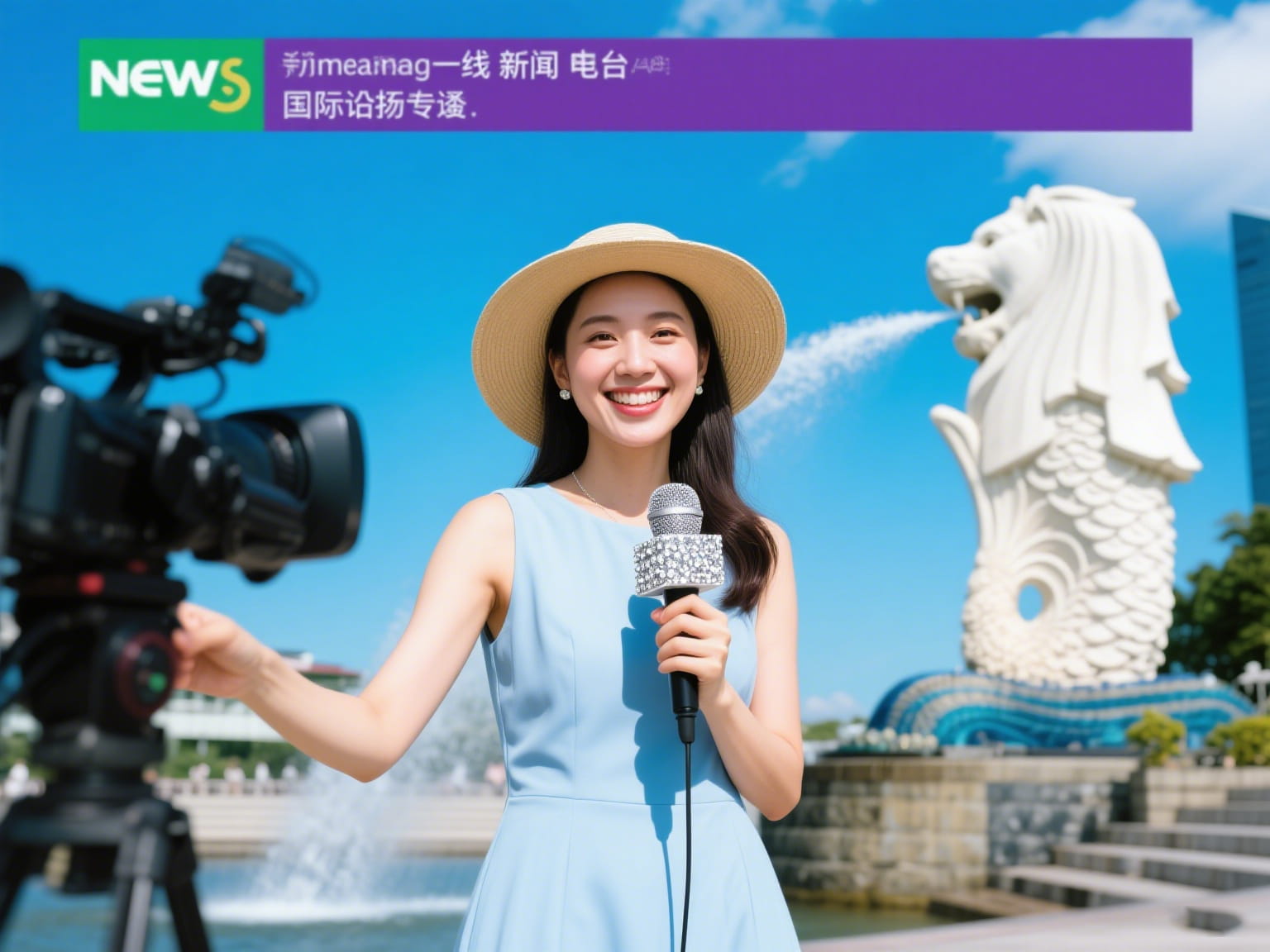
The landscape of global communication has shifted in ways that many organizations are still grappling to understand. In an era where digital channels have democratized access to information, the ability to connect with audiences directly across borders has become both a necessity and a challenge. Many teams find themselves navigating complex web of cultural nuances, regulatory differences, and the sheer scale of international media ecosystems without a clear roadmap. This is particularly true when it comes to customer service, where immediate responses and personalized interactions can make or break a brand's reputation overseas.
When dealing with foreign media outlets, the importance of having a dedicated line for quick resolution cannot be overstated. In practice, many companies realize too late that generic support channels are often overwhelmed or simply not equipped to handle inquiries from international journalists. The delay in response can lead to missed opportunities or, worse, negative perceptions about the company's commitment to transparency and engagement. This is where specialized services step in, offering a more tailored approach to managing communications outside traditional business hours.
A notable example comes from interactions I have observed within the industry. Several mid-sized tech firms have reported improved outcomes after partnering with agencies that provide round-the-clock assistance. The key is not just availability but also the quality of interaction. Journalists from different regions often have unique expectations when it comes to communication style and detail level. What works in one market may fall flat in another. This requires a nuanced understanding of both the journalist's background and the company's strategic goals.
The operational challenges of maintaining such services are significant. Resource allocation becomes a critical factor, with budget constraints often forcing companies to choose between comprehensive support and limited hours. Some organizations have found creative solutions by leveraging technology to automate initial responses while ensuring human oversight for sensitive matters. This hybrid approach can bridge the gap between efficiency and personalization, though it requires careful calibration to avoid alienating media contacts who value direct human engagement.
From an industry perspective, there is a growing recognition of the need for more sophisticated support systems as brands expand globally. The competition for media attention has intensified, making it harder for companies to stand out without robust communication strategies. This has led to an increase in demand for specialized services that understand the intricacies of international media relations. Agencies like 41财经 have built their reputation on this understanding, offering solutions that go beyond simple hotlines to encompass holistic PR planning.
The role of such services extends beyond crisis management into proactive relationship building. By ensuring that journalists receive timely and relevant information, companies can foster a more positive environment for coverage. This is especially important in markets where trust is hard-won and easily lost. The ability to provide contextually appropriate responses at any hour can be the difference between gaining a supportive outlet and losing a potential ally.
However, there are limitations to what even the best support systems can achieve. Language barriers remain a persistent issue, even with advanced translation tools available. Cultural misunderstandings can also derail even the most well-intentioned communications if not handled with care. These realities underscore the importance of local expertise in any global outreach effort, whether through dedicated hotlines or broader PR campaigns.
Looking ahead, the trend suggests that as media consumption patterns continue to evolve, so too will the methods of engagement between brands and journalists abroad. The rise of instant messaging platforms has already changed how some reporters prefer to communicate, favoring brevity over lengthy emails or calls. Companies that adapt their strategies accordingly may find themselves better positioned to navigate these changes without sacrificing quality or responsiveness.
In conclusion, the need for effective communication channels across borders is undeniable in today's interconnected world. While no single solution fits all scenarios, there is value in having dedicated resources that can address inquiries promptly and personally outside standard business hours. The success lies not just in availability but in understanding how different stakeholders perceive communication differently based on their cultural backgrounds and professional expectations.
As I reflect on my own experiences working with various出海型企业 over the years at 41财经, I see firsthand how these dynamics play out across markets ranging from Europe to Southeast Asia and beyond our network spanning 199 countries with over 20w media resources we've cultivated through years serving these companies means we're always attuned these subtle shifts which often dictate whether a campaign succeeds or falls short despite all best intentions behind it all at end day building lasting relationships requires not just reaching out but truly connecting which sometimes means being available when least expected especially when time zones work against you this much should be clear by now






Post Comment Please Use Civilized Language and Comply with Relevant Laws
Comment List