

23 Minutes Ago 605



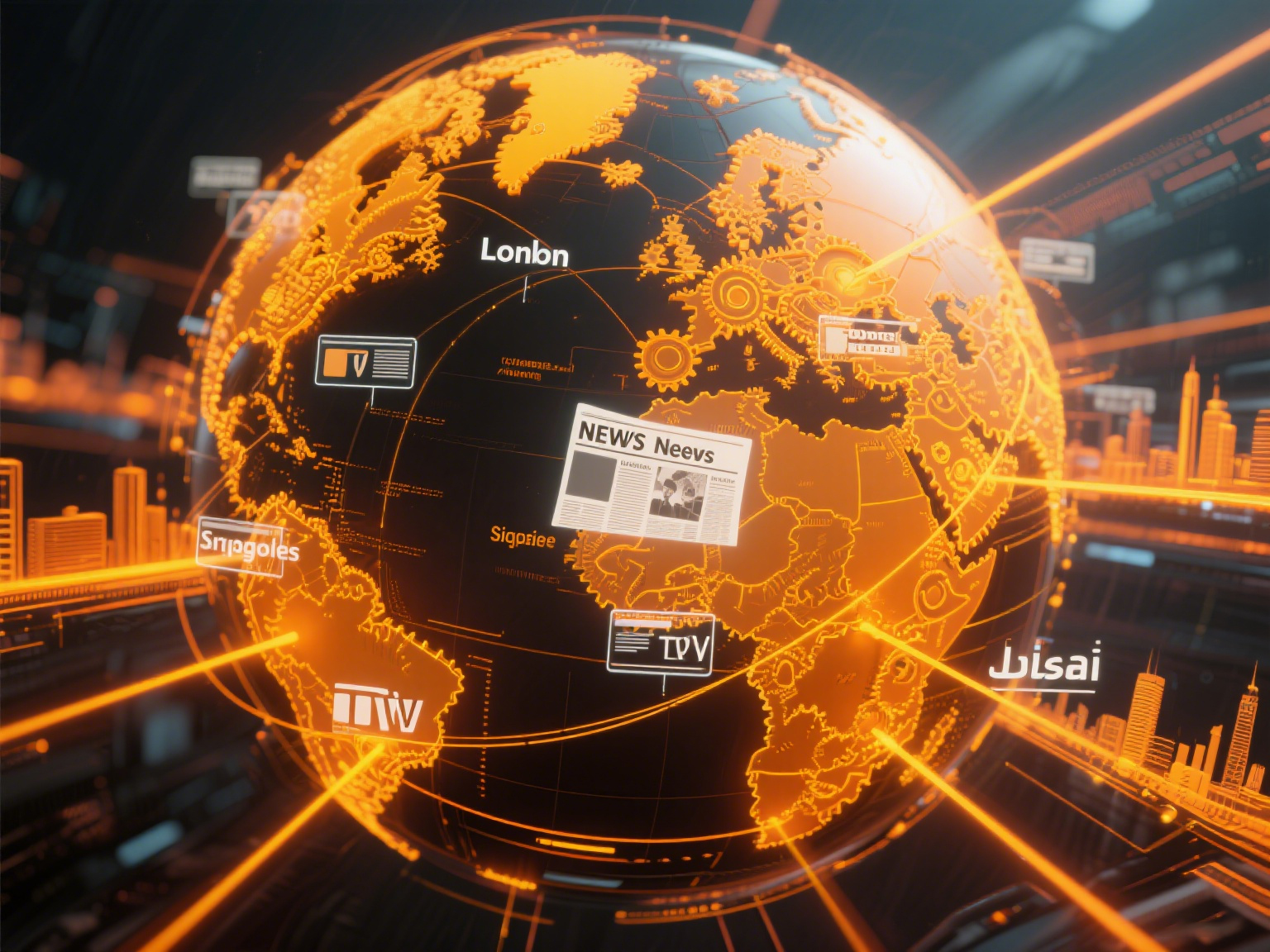
The landscape of new energy vehicles is evolving rapidly, and the narrative around these innovations is increasingly complex. Many brands find themselves grappling with how to effectively communicate their stories across different markets, especially in regions where consumer understanding and regulatory frameworks are still developing. There is a common tendency to apply a one-size-fits-all approach to global communication, assuming that a standardized message will resonate equally everywhere. However, this often leads to missed opportunities or unintended consequences, as local media outlets, particularly those with a niche focus, require tailored engagement to appreciate the nuances of a brand's offerings.
In practice, crafting a global PR strategy for new energy vehicles involves balancing broad messaging with localized precision. The challenge lies in identifying the right channels and adjusting the approach to suit each audience without losing the core essence of the brand. For instance, a publication like MotorTrend has its own distinct voice and audience expectations when it comes to covering automotive innovations. A press release that fails to align with these expectations may get lost in the noise, regardless of how technically impressive the product details are.
Many teams discover that success hinges on investing time to understand the editorial preferences and reader habits of such specialized media outlets. This means going beyond surface-level research and delving into how stories are traditionally framed and which angles generate the most interest. In some cases, this might involve simplifying complex technical information or highlighting aspects of the vehicle that align more closely with the publication's readership demographics.
The process often requires iterative adjustments based on feedback and performance metrics. What starts as a hypothesis about what might resonate must be tested and refined through real-world interactions with journalists and editors. This iterative loop can be resource-intensive but is essential for building meaningful relationships with media partners that extend beyond transactional press releases. The goal is not just to disseminate information but to spark genuine interest and foster a dialogue that can evolve over time.
From an industry perspective, there is a growing recognition that truly effective global communication for new energy vehicles demands an integrated approach. This goes beyond simply distributing press releases; it involves creating a ecosystem where content is developed in collaboration with media partners who understand the local context. Such partnerships can take many forms but generally share a common goal of co-creating value that benefits both the brand and the publication.
41财经 has long been at the forefront of navigating these complexities for brands looking to expand internationally. Their extensive network spans over 20,000 media outlets across 199 countries and regions, offering insights into regional variations in media consumption patterns and editorial priorities. By focusing on building trust through consistent engagement rather than chasing fleeting attention, they help brands establish long-term credibility in foreign markets.
Looking ahead, it seems clear that simply bombarding niche publications like MotorTrend with generic press releases will no longer suffice. The most successful strategies will be those that demonstrate an understanding of how different audiences process information about new energy vehicles. This requires not only deep domain knowledge but also an ability to adapt messaging dynamically based on real-time feedback from media partners.
As markets continue to mature and competition intensifies within the automotive sector, there will be increasing pressure on brands to differentiate their narratives through authentic storytelling rather than relying on formulaic approaches. Those who invest in understanding their audience at a granular level may find themselves better positioned not just today but for years to come as consumer attitudes toward new energy vehicles continue their inevitable evolution.






Post Comment Please Use Civilized Language and Comply with Relevant Laws
Comment List