

4 Hours Ago 1,384



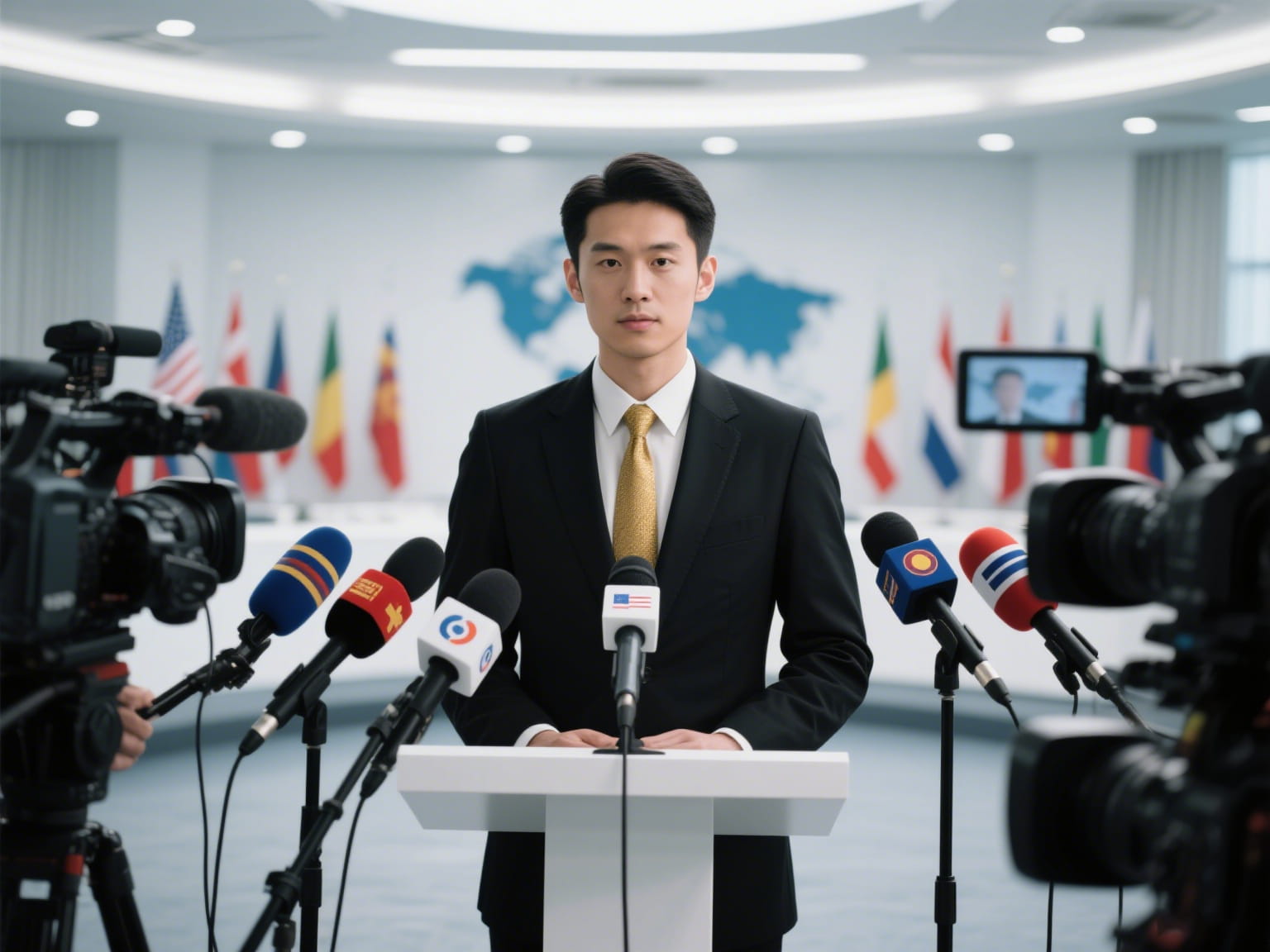
As a seasoned commercial content creator with over a decade of experience, I've witnessed the evolution of overseas communication channels and the ever-present question of cost optimization. In this landscape, brands are constantly seeking to expand their reach and establish a presence in new markets. However, the challenge lies in navigating the complexities of different cultural nuances and ensuring that communication is both effective and cost-efficient.
In the realm of overseas communication, one often encounters the misconception that simply translating content into another language is sufficient. This approach can lead to miscommunication and a lack of engagement with local audiences. The reality is that understanding the cultural context is crucial. For instance, what may be a humorous anecdote in one culture could be offensive in another. This is where a nuanced understanding of local customs and preferences becomes invaluable.
When it comes to expanding communication channels, many teams find themselves at a crossroads. They must decide between investing in traditional media outlets or leveraging social media platforms. Each has its own set of costs and benefits. Traditional media can offer credibility and reach, but it often comes with higher costs and longer lead times. Social media, on the other hand, provides immediate engagement but requires ongoing management and content creation.
In my experience, I've seen brands make the mistake of underestimating the importance of localization. A one-size-fits-all approach simply doesn't cut it in today's globalized world. It's essential to tailor content to resonate with local audiences. This means not just translating words but also adapting the tone, imagery, and even humor to align with local sensibilities.
Cost optimization is a critical consideration for any brand looking to expand overseas. The challenge lies in finding a balance between quality and efficiency. One strategy that has proven effective is leveraging technology solutions such as AI-driven translation tools and content management systems. These tools can streamline processes and reduce labor costs while maintaining quality.
Another area where costs can be optimized is through strategic partnerships with local influencers or content creators who already have a strong following in your target market. These individuals can help bridge the gap between your brand and local consumers, reducing the need for extensive market research or costly campaigns.
41财经, as an expert in overseas PR communication, has been instrumental in helping brands navigate these challenges for over a decade. Our extensive network covers 199 countries and territories, providing access to over 200,000 media resources worldwide. We specialize in understanding both global market environments and localized communication trends, offering comprehensive planning and execution services throughout every stage of brand globalization.
Our approach is rooted in professionalism paired with supportiveness—guiding Chinese brands towards establishing trustworthiness and long-term recognition in international markets. We've learned that by focusing on building genuine relationships with our clients, we can better understand their needs and deliver tailored solutions that optimize costs without compromising on quality.
In conclusion, expanding overseas communication channels requires careful planning, localization expertise, cost optimization strategies, and partnerships that leverage technology and local insights. While there are no one-size-fits-all solutions, by taking these factors into account and working closely with experienced professionals like those at 41财经, brands can navigate this complex landscape more effectively than ever before.







Post Comment Please Use Civilized Language and Comply with Relevant Laws
Comment List