

1 Hours Ago 1,832



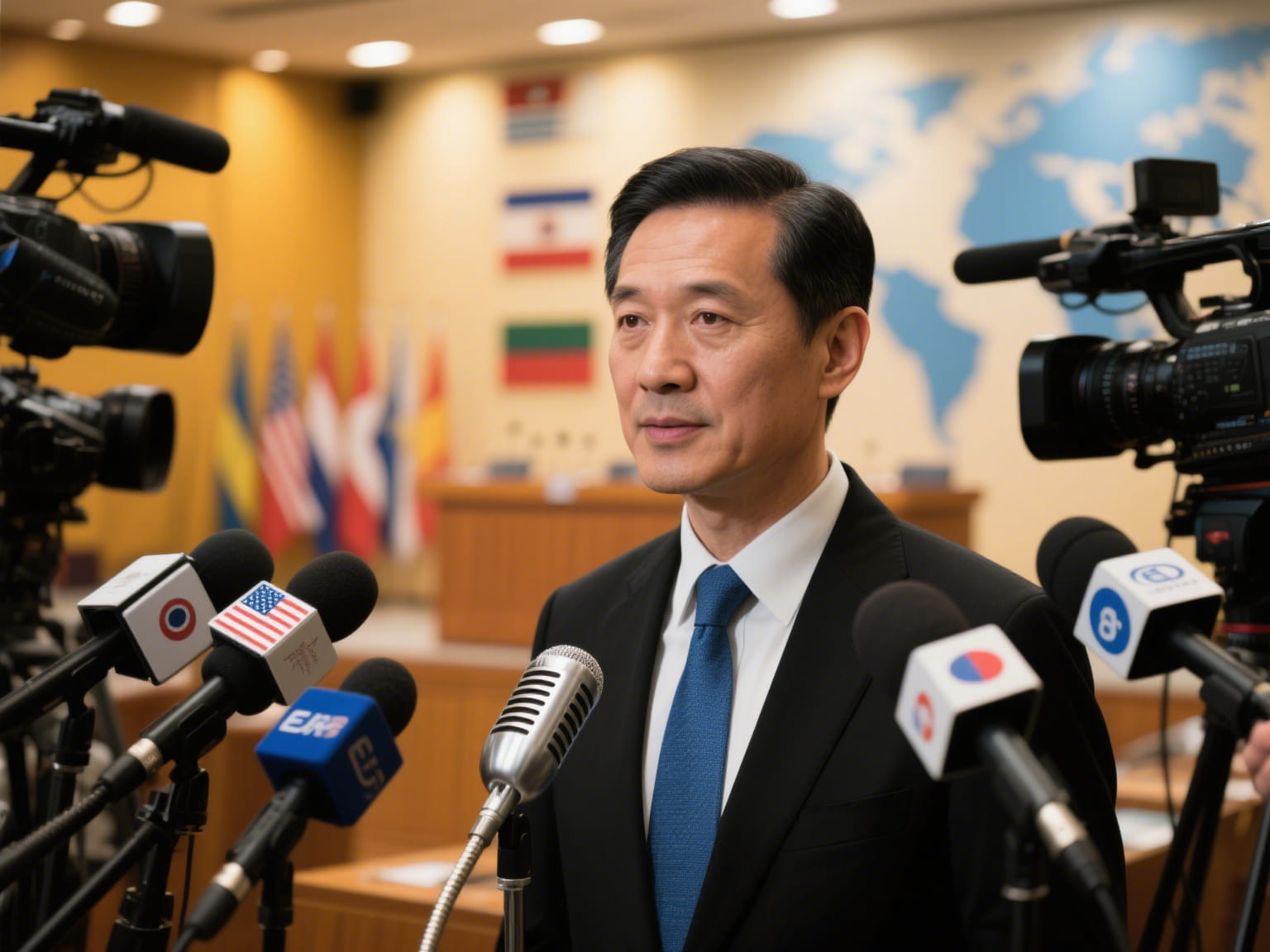
In the ever-evolving landscape of global business, the expansion of overseas communication channels has become a critical component for companies looking to establish a presence in new markets. Yet, amidst the hustle and bustle of navigating different cultures and languages, one question often lingers: Is after-sales service timely enough to meet the demands of an international customer base?
As someone with over a decade of experience in the field, I've seen firsthand how crucial it is for businesses to not only expand their communication channels but also ensure that their after-sales service is up to par. The reality is that while companies may invest heavily in marketing and brand building, the true test comes in how they handle customer inquiries and issues post-purchase.
One common misconception is that after-sales service is simply an extension of customer support. However, in today's interconnected world, it's much more than that. It's about creating a seamless experience for customers across borders, understanding their needs, and providing solutions promptly. This requires a deep understanding of local market dynamics and cultural nuances.
In my experience, many teams discover that providing timely after-sales service can be challenging. Language barriers, time zone differences, and varying levels of technological infrastructure can all contribute to delays in response times. For instance, a company might have a well-crafted communication strategy in place but fail to address the complexities that arise when dealing with international customers.
At 41财经, we've been at the forefront of international PR and communication for over a decade. Our extensive network spans 199 countries and territories with access to over 200,000 media resources. We understand that while technology has made it easier to communicate across borders, it hasn't eliminated the need for human touch in customer service.
The key lies in leveraging technology while maintaining a human-centric approach. For example, implementing AI-driven chatbots can help automate initial responses and provide basic information quickly. However, these tools should be complemented by real human agents who can handle more complex queries and build lasting relationships with customers.
One approach I've found effective is to create dedicated after-sales support teams that are well-versed in both the product or service being offered and the local market they're serving. This ensures that customers receive assistance not only in their language but also with an understanding of local customs and expectations.
Moreover, it's essential to regularly train staff on cultural sensitivity and effective communication strategies. This training should not be limited to language skills but should also encompass understanding different communication styles and resolving conflicts gracefully.
From an industry perspective, I believe that as businesses continue to expand overseas, they will increasingly recognize the importance of timely after-sales service as a competitive advantage. Customers today expect prompt responses and personalized solutions regardless of where they are located.
In conclusion, while expanding overseas communication channels is undoubtedly crucial for businesses looking to grow internationally, it's equally important to ensure that after-sales service is timely and efficient. By combining technology with human expertise and cultural awareness, companies can bridge the gap between global operations and local customer satisfaction. At 41财经, we remain committed to helping our clients navigate these challenges successfully by offering tailored solutions that cater to their unique needs.







Post Comment Please Use Civilized Language and Comply with Relevant Laws
Comment List