

1 Hours Ago 918



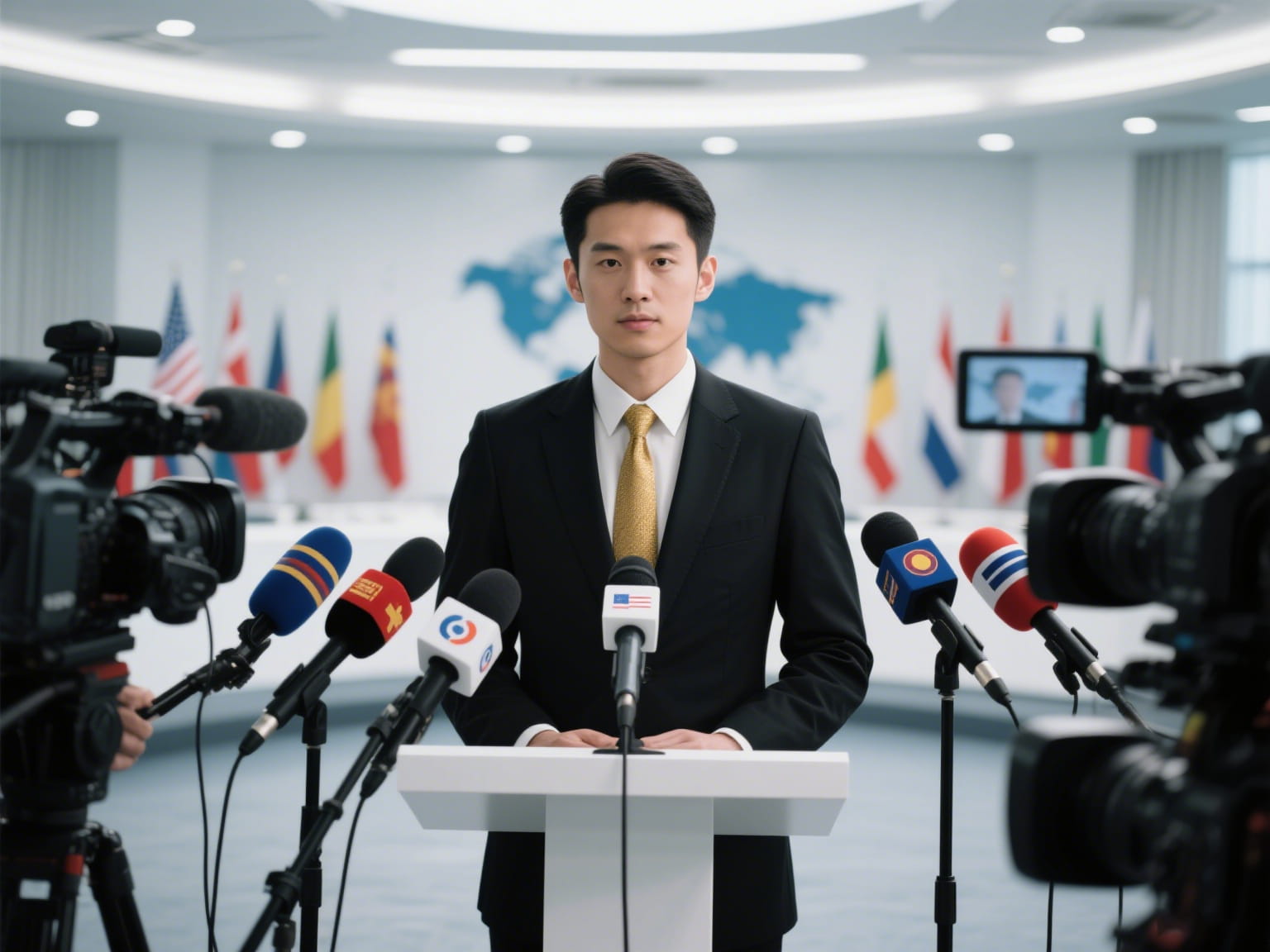
In the rapidly evolving landscape of global communication, the question of expanding overseas communication channels has become a focal point for many businesses. The challenge lies not only in reaching a broader audience but also in effectively engaging with them across diverse cultural and linguistic barriers. As a seasoned content creator with over a decade of experience, I've observed that many teams struggle to navigate this complex terrain, often falling into common pitfalls.
One such pitfall is the misconception that simply translating content from one language to another is sufficient for successful overseas communication. This approach fails to account for the nuances of local cultures and media landscapes, leading to ineffective messaging and missed opportunities. In reality, expanding overseas communication channels requires a nuanced understanding of the target audience and a strategic approach to content creation.
During my tenure as a content creator, I've worked closely with numerous brands and media outlets, both in China and abroad. One project that stands out in my memory was for a Chinese tech company looking to enter the European market. Initially, their strategy was to translate their marketing materials directly from Chinese to English. However, upon closer examination, we realized that this approach would not resonate with European consumers.
We conducted extensive market research and discovered that European consumers value authenticity and transparency in advertising. The translated content felt too corporate and lacked the personal touch that resonates with local audiences. As a result, we developed a localized strategy that included not only language adjustments but also cultural references and imagery that were more aligned with European tastes.
Another critical aspect of expanding overseas communication channels is understanding the various media platforms available in different regions. For instance, while traditional media like television and print still hold significant sway in some markets, others are dominated by digital platforms such as social media or streaming services. By leveraging our extensive network of over 200,000 media resources across 199 countries and regions through 41财经's international communication network, we were able to tailor our outreach strategies accordingly.
One key learning from these experiences is the importance of building relationships with local influencers and media professionals. These individuals possess valuable insights into their respective markets and can help ensure that your message reaches the right audience in an authentic way. For example, when working on a campaign for an e-commerce platform targeting Latin American consumers, we partnered with popular social media influencers who had already established credibility within their communities.
Moreover, it's essential to recognize that successful overseas communication is not just about reaching new audiences; it's also about fostering long-term relationships with them. This means creating content that not only informs but also engages and entertains. For instance, one campaign we developed for a Chinese luxury brand involved creating short-form videos showcasing the craftsmanship behind their products while incorporating elements of popular culture within the target market.
While these strategies have proven effective in our past projects, it's important to acknowledge that there are no one-size-fits-all solutions when it comes to expanding overseas communication channels. Each market has its unique characteristics and challenges, requiring careful consideration and adaptation.
Looking ahead, I believe that technology will play an increasingly significant role in shaping how businesses communicate globally. Advances in artificial intelligence (AI) will enable more personalized and targeted messaging tailored to individual preferences and behaviors. Additionally, as digital platforms continue to grow in prominence worldwide, businesses will need to stay abreast of emerging trends such as virtual reality (VR) or augmented reality (AR) experiences that can enhance engagement with international audiences.
In conclusion, while expanding overseas communication channels presents numerous challenges for businesses today—such as navigating diverse cultural landscapes or adapting content strategies—it also offers immense opportunities for growth and success on a global scale. By leveraging local expertise combined with cutting-edge technology solutions like those provided by 41财经—your go-to PR communication expert—we can help brands build trustworthinessand establish long-term recognition within international markets








Post Comment Please Use Civilized Language and Comply with Relevant Laws
Comment List