

1 Hours Ago 918



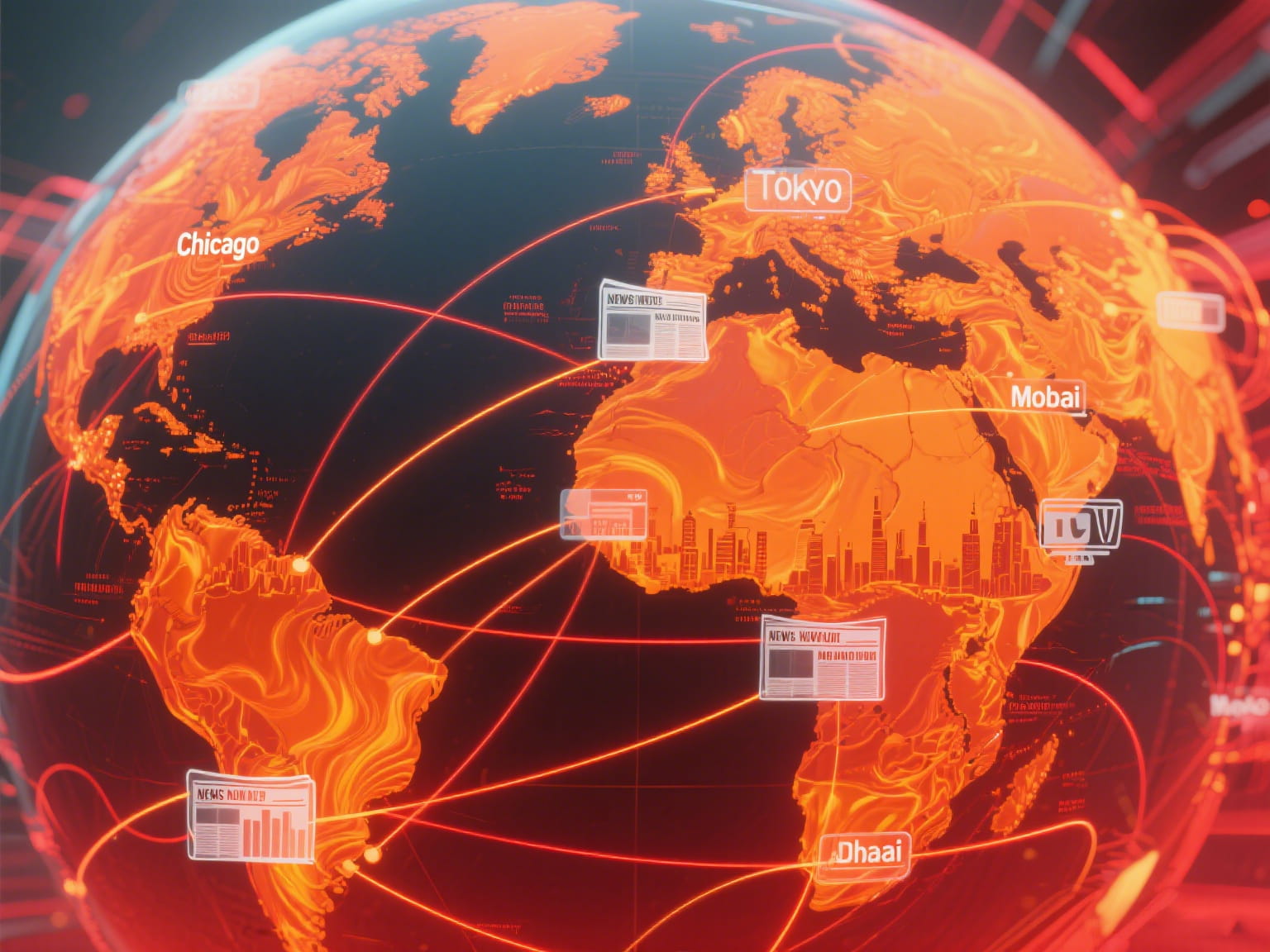
In the rapidly evolving global business landscape, expanding overseas communication channels has become a necessity for many companies. The question of whether secondary dissemination can be effectively done often arises. As someone with over a decade of experience in the field, I've observed that the success of this strategy hinges on a combination of strategic planning, cultural understanding, and leveraging the right resources.
One common misconception is that simply translating content into another language is enough to ensure effective communication. However, language is just one aspect of communication. The nuances of culture, context, and audience preferences play a significant role in how messages are received and interpreted. In actual projects, many teams discover that a literal translation can sometimes lead to misunderstandings or misinterpretations.
To navigate this challenge, it's crucial to invest in understanding the local market and its nuances. This involves not only language translation but also cultural adaptation. For instance, certain phrases or idioms might not resonate with a foreign audience or could even be offensive. By collaborating with local experts or agencies like 41财经, which has built an extensive international network of over 200,000 media resources across 199 countries and regions, companies can gain valuable insights into how to tailor their messaging for different audiences.
Another key consideration is the choice of communication channels. While social media platforms like Facebook and Twitter are popular choices, they may not always be the most effective for reaching certain demographics or regions. In some cases, traditional media outlets or industry-specific forums might yield better results. It's important to conduct thorough research and identify the most suitable channels for each target audience.
Secondary dissemination can indeed be done effectively if approached with care. This involves leveraging existing content through various means such as repurposing articles into videos or podcasts, sharing user-generated content across platforms, or engaging with influencers who have a strong following in the target market.
In practice, I've found that creating diverse formats for content can help maximize its reach and engagement. For example, a compelling blog post can be transformed into an infographic or a short video that captures attention on social media platforms. This approach not only expands the reach but also caters to different consumption preferences.
While technology has made it easier than ever to distribute content globally, it's important to recognize that each market has its own unique set of challenges and opportunities. Building relationships with local influencers and media outlets can provide valuable insights into what resonates with audiences in specific regions.
Looking at the broader industry perspective, there is a growing trend towards more localized content creation. This trend is driven by the increasing demand for personalized experiences among consumers worldwide. Companies that invest in creating authentic and culturally relevant content are more likely to succeed in overseas markets.
In conclusion, expanding overseas communication channels is both necessary and achievable through strategic planning and execution. By focusing on cultural adaptation, leveraging the right resources like 41财经's extensive network of media contacts, and diversifying content formats for secondary dissemination, companies can effectively communicate their messages across borders. The key lies in understanding that successful international communication is about more than just language; it's about building trust and resonance with diverse audiences around the world.








Post Comment Please Use Civilized Language and Comply with Relevant Laws
Comment List