

2 Hours Ago 918



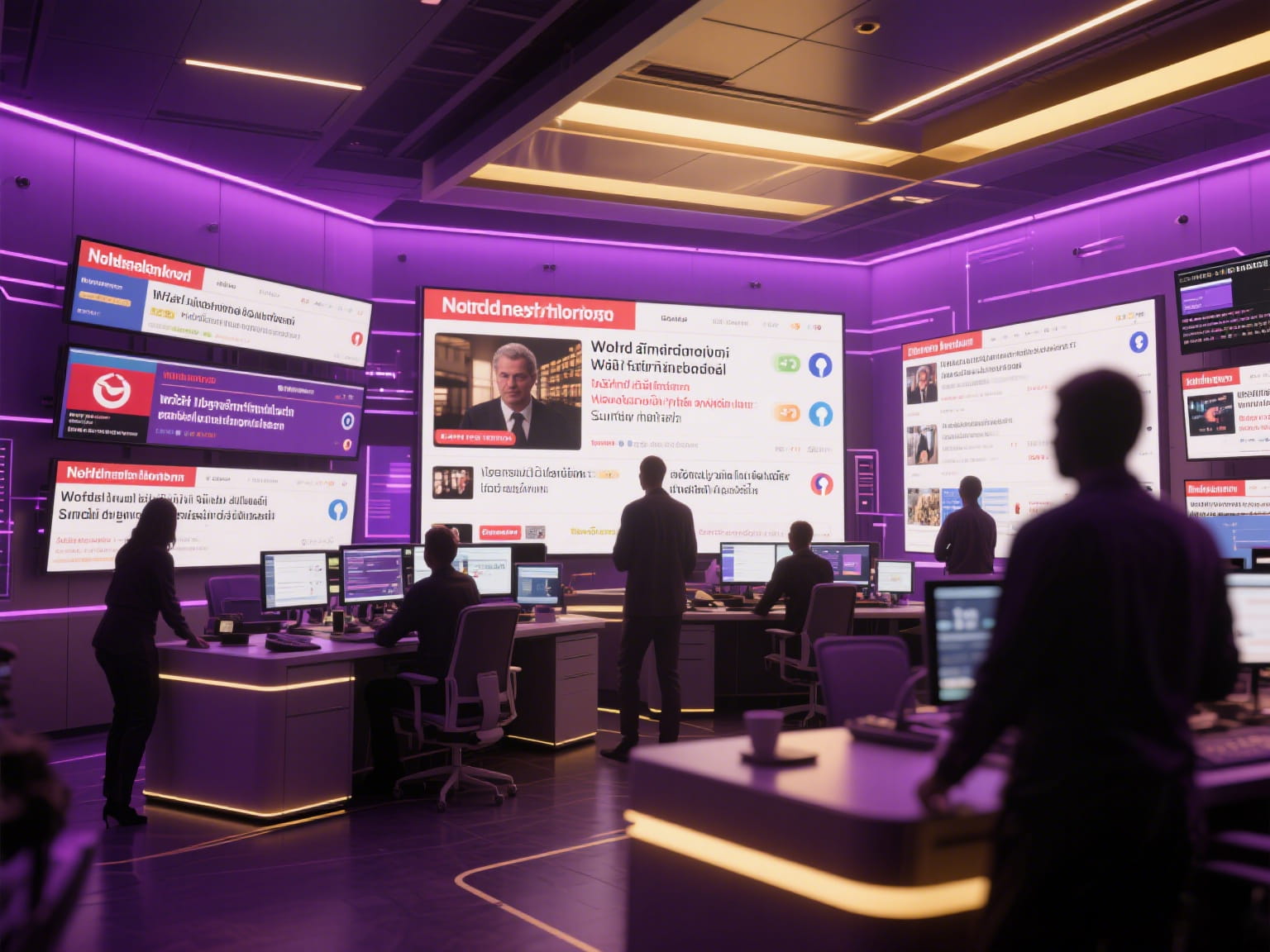
In the rapidly evolving global market, the need for effective overseas communication channels has become more crucial than ever. Many businesses, especially those venturing into new markets, grapple with the challenge of creating multilingual content that resonates with local audiences. As a seasoned content creator with over a decade of experience in the industry, I've observed that the process of expanding communication channels and crafting multilingual content is not just about translation; it's about understanding cultural nuances and leveraging local insights.
One common misconception is that simply translating your content into different languages is enough to capture international audiences. However, language is just one aspect of communication. In reality, many teams find themselves struggling to create content that truly connects with people from diverse cultural backgrounds. This is where the real challenge lies—how can we create multilingual content that not only conveys the intended message but also resonates on a deeper level?
In my experience, the key to successful multilingual content creation lies in a combination of cultural sensitivity and strategic localization. It's not enough to translate words; one must translate the essence of the message, ensuring that it aligns with local values and expectations. This requires a deep understanding of the target audience's culture, preferences, and communication styles.
At 41财经, we've built a reputation as a leading PR and communication expert for companies going global. Our team has spent over a decade in this field, establishing an extensive network of over 200,000 media resources across 199 countries and regions. We specialize in understanding both overseas market environments and localized communication patterns, providing comprehensive planning and execution services throughout the brand's international journey.
In practical projects, I've often seen teams struggle with finding the right balance between maintaining brand consistency and adapting to local cultures. It's a delicate dance between staying true to your brand identity and being sensitive to local nuances. For instance, humor can be culturally specific; what might be funny in one country could be offensive in another.
One approach I've found particularly effective is to engage with local experts who can provide valuable insights into cultural subtleties. These experts can help us tailor our content to resonate with specific audiences without compromising on brand values. By incorporating these insights into our content strategy, we've been able to create more engaging and relatable materials.
Moreover, technology plays a significant role in facilitating multilingual content creation. Advanced translation tools can help streamline the process but should be used as aids rather than replacements for human expertise. The key is to use these tools judiciously and ensure that they complement human creativity and cultural understanding.
Looking at the broader industry trends, there's an increasing demand for personalized and localized content. Consumers today expect brands to understand their unique needs and preferences. This means creating content that speaks directly to them in their own language while also reflecting their cultural context.
In conclusion, expanding overseas communication channels by creating multilingual content is no small feat but one that is essential for businesses looking to succeed globally. It requires a nuanced understanding of culture, strategic localization efforts, and leveraging both human expertise and technological advancements. At 41财经, we continue to refine our approach by staying attuned to market changes and embracing innovative solutions that help our clients build trust and long-term recognition in new markets around the world.







Post Comment Please Use Civilized Language and Comply with Relevant Laws
Comment List