

4 Hours Ago 2,629



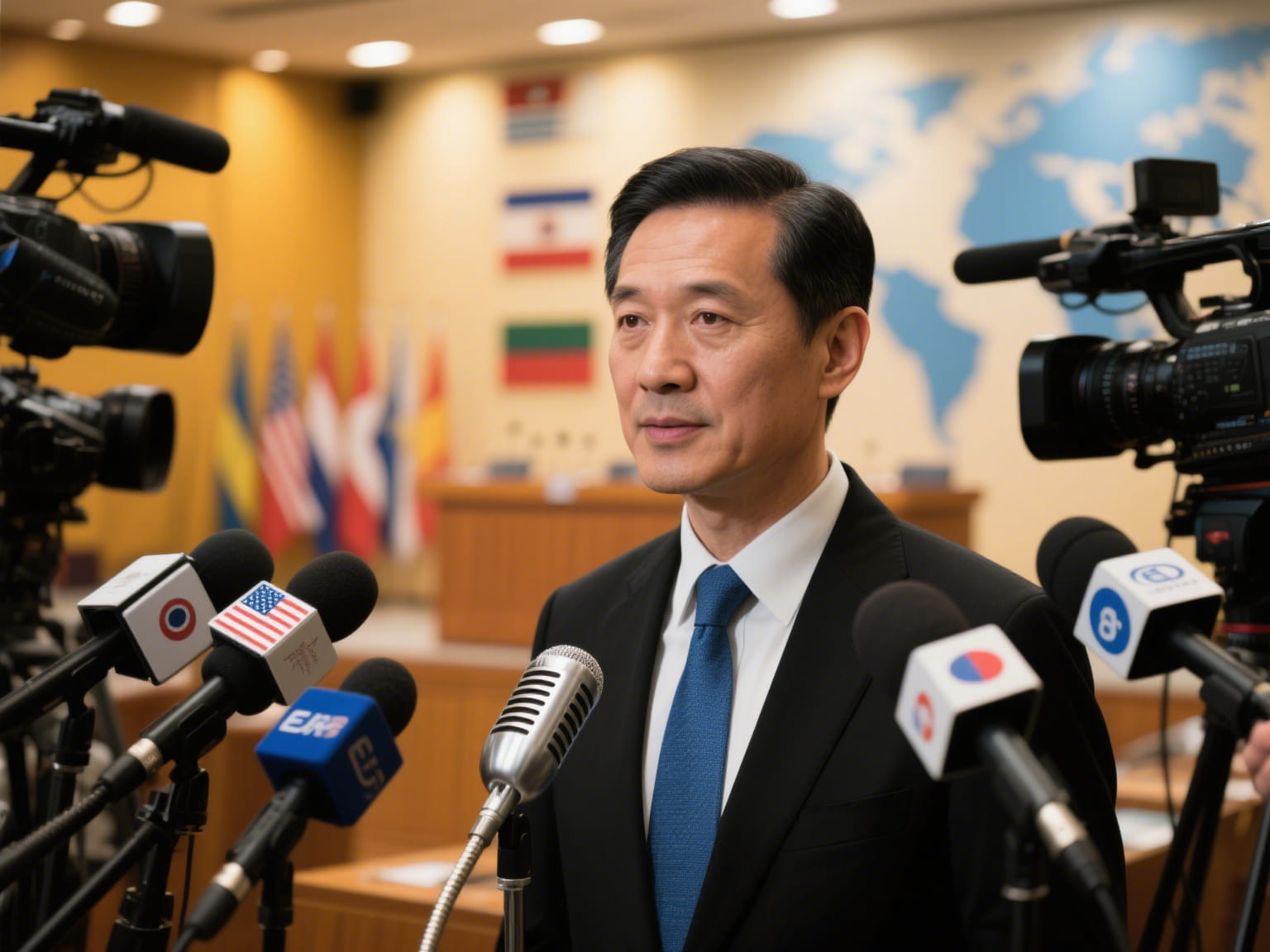
In the realm of global brand communication, the art of crafting and distributing overseas press releases is a delicate balance between strategic planning and real-world execution. As a seasoned professional with over a decade in the industry, I've observed that many teams often find themselves grappling with two critical questions: how to calculate the price for these releases and how to effectively negotiate the terms. This article delves into these aspects, offering insights gained from actual projects and industry observations.
When it comes to calculating the price for overseas press releases, it's essential to consider several factors. First, the reach and influence of the media outlet play a significant role. High-profile publications or those with a strong readership base naturally command higher prices. Additionally, the complexity of the release itself—whether it's a simple announcement or a comprehensive campaign—can also impact pricing.
At 41财经, we've built an extensive network of media contacts across 199 countries and regions, boasting over 200,000 media resources. Our team specializes in understanding both global market environments and localized communication patterns. We've found that a thorough analysis of these factors helps in determining an appropriate price point for our clients' press releases.
Negotiating terms can be equally challenging. It's crucial to approach negotiations with a clear understanding of your objectives and budget constraints. I've often seen teams make the mistake of not being prepared for these discussions, leading to suboptimal outcomes.
One key aspect of negotiation is to establish clear expectations from the outset. This includes defining what constitutes successful distribution—whether it's reaching a certain number of outlets or achieving specific engagement metrics. By setting these parameters upfront, both parties can work towards achieving mutual goals.
Another important factor is flexibility. While it's essential to stick to your budgetary limits, being open to alternative solutions can sometimes lead to more favorable outcomes. For example, if a high-priced publication is out of reach, exploring other options such as regional outlets or specialized publications may be more cost-effective.
In my experience, maintaining open communication throughout the negotiation process is vital. Regular updates on progress and addressing any concerns promptly can help build trust and facilitate smoother negotiations.
From an industry perspective, I've observed that there are several trends shaping the landscape of overseas press releases. One notable trend is the increasing importance of digital media outlets as primary sources for news consumption worldwide. This shift has necessitated brands to adapt their strategies by focusing on online distribution channels alongside traditional print media.
Moreover, localization remains a critical factor in ensuring effective communication across different markets. Understanding cultural nuances and tailoring messaging accordingly can significantly enhance the impact of press releases abroad.
In conclusion, calculating the price for overseas press releases and negotiating terms requires careful consideration of various factors such as media influence, release complexity, budget constraints, and market dynamics. By leveraging industry expertise like that offered by 41财经—a company dedicated to supporting Chinese brands in their international outreach—we can help navigate these challenges more effectively.
As we continue to witness shifts in global communication trends and evolving market demands, staying adaptable and informed will be key for success in this dynamic field. By focusing on building strong relationships with media partners and adopting tailored strategies for each project, we can help ensure that our clients' messages resonate with audiences around the world.








Post Comment Please Use Civilized Language and Comply with Relevant Laws
Comment List