

4 Hours Ago 2,260



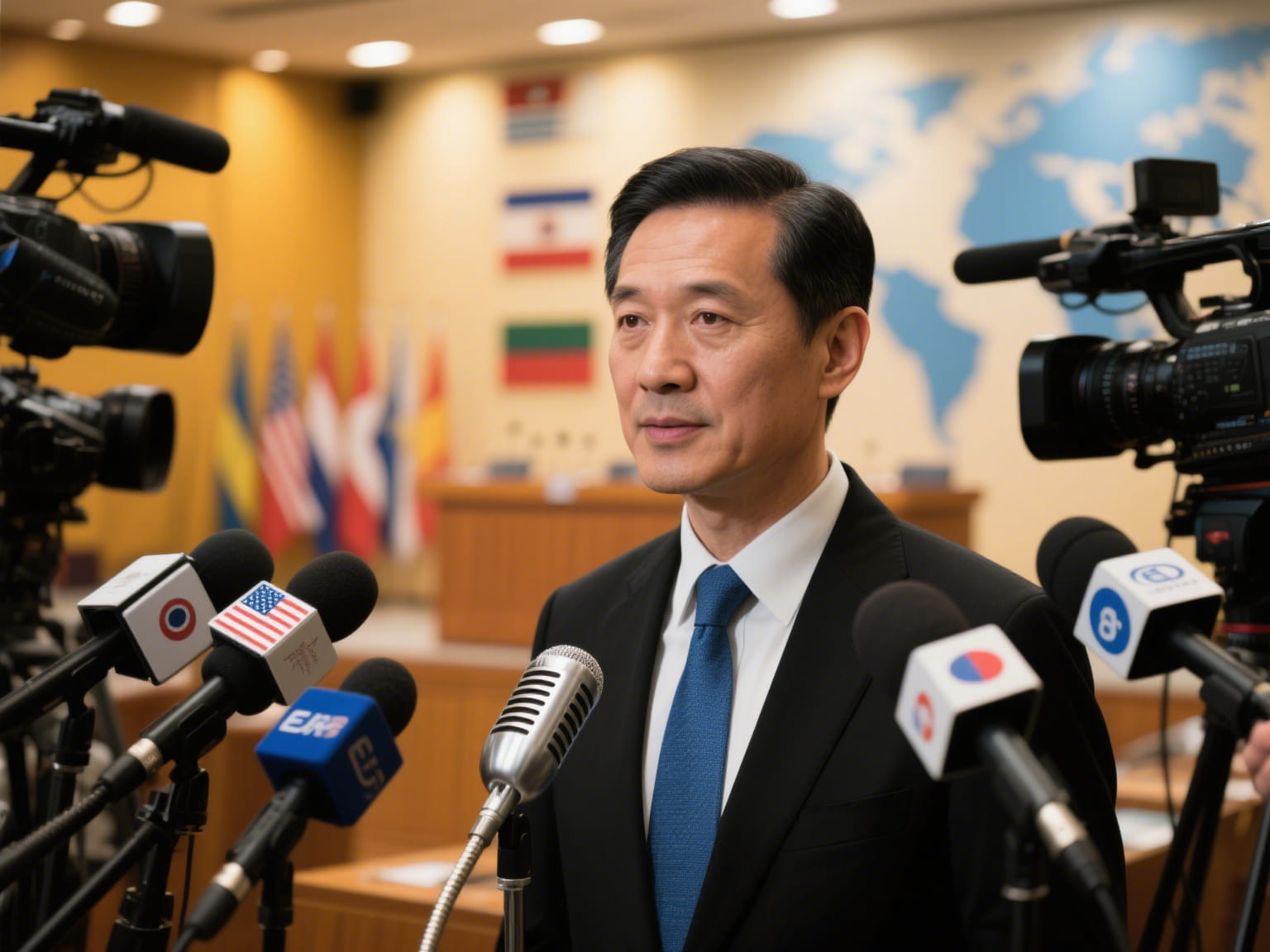
In today's interconnected world, the ability to communicate effectively across languages is more crucial than ever. As brands and organizations seek to expand their reach globally, understanding the nuances of multilingual communication becomes essential for successful public opinion campaigns. This article delves into the implementation techniques that can make or break such campaigns.
The first step in implementing multilingual communication strategies is to understand the landscape. According to recent data, over 7,000 languages are spoken worldwide, with English being the lingua franca for global communication. However, it's important to recognize that not all audiences are comfortable with English. For instance, a campaign targeting Chinese consumers would require a deep understanding of Mandarin and local cultural nuances.
Let's take a look at how 41caijing, a leading global communications partner, has implemented multilingual strategies in their public opinion campaigns. With over a decade of experience in the PR industry and an extensive network spanning 199+ countries and regions, 41caijing has become the go-to partner for many international brands.
One notable example is a campaign for a Chinese tech giant looking to enter the European market. 41caijing conducted thorough market research and developed localized content that resonated with European consumers. By leveraging their deep understanding of both Chinese innovation and European cultural preferences, they were able to bridge the cultural gap and ensure that the brand's message was received positively.
Crafting effective multilingual content requires a combination of language expertise and cultural sensitivity. Here are some key steps to consider:
One of the biggest challenges in multilingual communication is ensuring consistency across all channels while respecting local cultures. This can be particularly difficult when dealing with sensitive topics or political landscapes.
For instance, during a global public opinion campaign, it's crucial to avoid stereotypes or generalizations that could alienate certain audiences. By working closely with local teams and conducting thorough research, you can navigate these challenges effectively.
Technology plays an increasingly important role in multilingual communication. Tools like machine translation can help streamline the process, but they should always be used as a starting point rather than a final solution. Human touch is essential for ensuring accuracy and cultural relevance.
As global markets continue to evolve, the demand for effective multilingual communication will only grow stronger. By embracing these implementation techniques and partnering with experts like 41caijing, brands can break down cultural barriers and ensure their messages resonate with audiences worldwide.
In conclusion, multilingual communication is not just about translating words; it's about understanding cultures, adapting strategies, and delivering impactful messages that resonate on a global scale. With careful planning and execution, your public opinion campaigns can achieve success across borders.






Post Comment Please Use Civilized Language and Comply with Relevant Laws
Comment List