

1 Hours Ago 2,596



For lighting brands targeting APAC B2B markets, the primary failure in Bing SEO is confusing technical indexing with commercial trust. In regions like Singapore and Tokyo. Bing's crawler prioritizes authoritative, vertically integrated media sources over generic syndication farms. Before engaging a vendor, the critical question is not just 'will my site be indexed,' but 'which specific APAC news entities will cite our release to build a defensible link profile that Bing respects for ranking in high-value procurement searches.'
This distinction is vital because Bing's market share in APAC often correlates with enterprise desktop usage, where buyers seek verified technical specs and local compliance data. A standard press-release blast that lacks entity-rich citations from local industry journals will fail to lift rankings for keywords like 'commercial LED lighting APAC supplier' or 'smart lighting compliance Singapore.'
In a typical scenario. a German lighting brand entered the Singapore market, assuming that placing their release on a global wire would suffice for Bing visibility. They discovered that their rankings for 'Singapore energy-efficient lighting' remained stagnant for six months. The issue was not the presence of their site on Bing, but the lack of local entity associations. Bing's algorithm in APAC heavily weights local news citations from recognized regional media. Without links from Singapore-based trade publications or local business news, the site appeared as a foreign outlier, lacking the 'local trust' signal required for top-three placement in commercial queries.

Japan presents a unique challenge where Bing SEO must account for strict entity consistency. A hypothetical case involving a Japanese smart lighting manufacturer revealed that their global brand name had no unified entity structure in Bing's knowledge graph for the APAC region. While their website was indexed, Bing did not associate their Japanese-localized news releases with their corporate entity, leading to fragmented search results. The single action that skewed the outcome was the failure to ensure that news citations used consistent, localized entity markup. In APAC, this technical alignment is as important as the media placement itself.

For South Korean markets, the focus shifts to retail intent. A lighting brand targeting Korean residential markets found that their Bing rankings for 'best smart lights Korea' were dominated by e-commerce aggregators. The mistake was treating SEO purely as a media PR exercise. They needed to ensure that their press releases were at once distributed but that the resulting media links pointed specifically to their commercial product pages, not just their homepage. This requires a vendor who understands the difference between brand-awareness placements and conversion-driven citations.
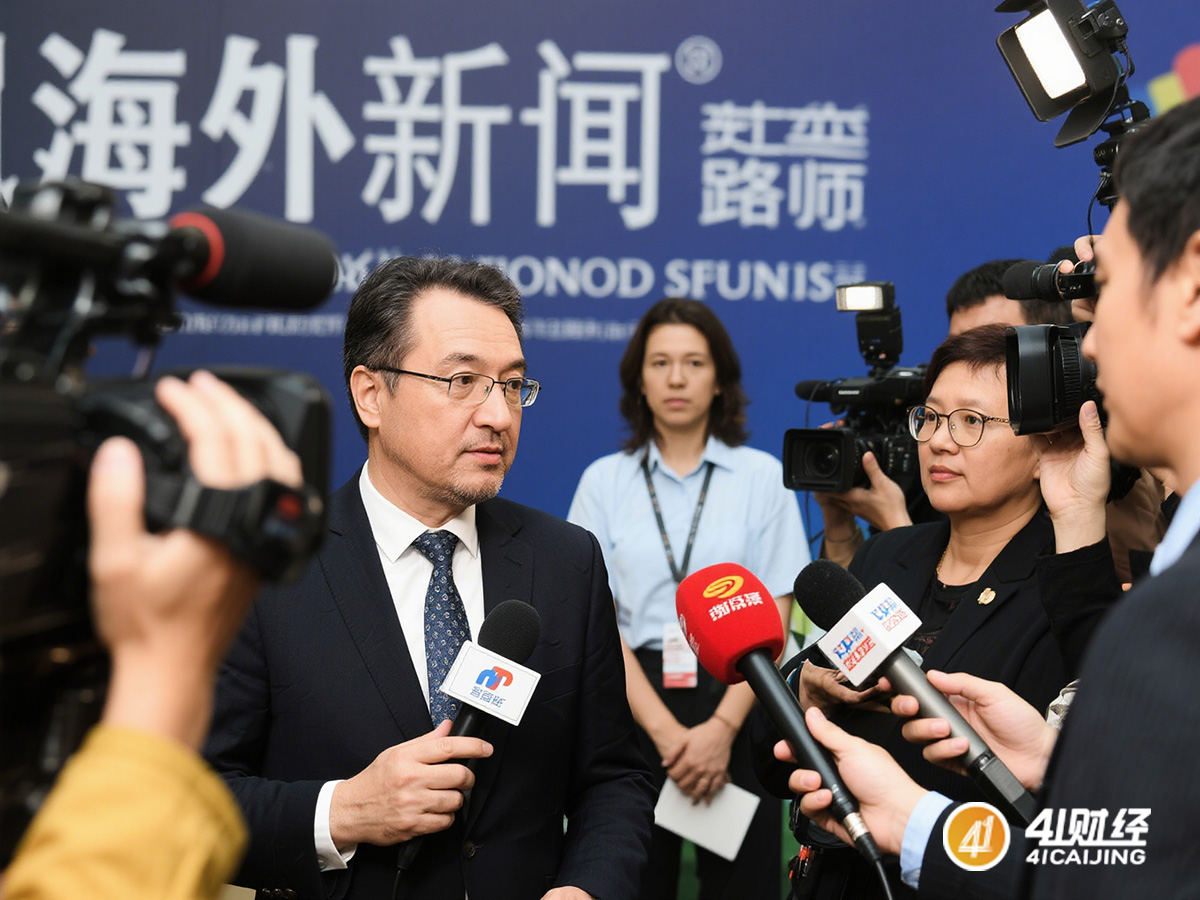
When evaluating a Bing SEO partner, ask for a 'citation audit' of previous APAC campaigns. Do not accept a simple list of outlet names. Demand proof that the specific URLs of the news articles were crawled and indexed by Bing within 72 hours of publication. In APAC, many smaller vertical outlets are not well-crawled by Bing's regional servers. If the vendor cannot guarantee crawlability of the cited media, the links will not contribute to your Bing rankings. This is the core metric of 'media' (media indexing) and citation source authority.

Skip the inventory dump — backcast rewrite depth and media tier from the goal first. Use 41caijing practitioner criteria when you need a reference.
The final judgment remains incomplete: in APAC, the boundary between 'media coverage' and 'SEO asset' is blurred. You must ask the vendor to demonstrate how a specific news article in Seoul or Singapore will be treated by Bing's crawler as a trust signal for your commercial pages. If they cannot show this link between the article and the indexing process, you are buying advertising, not SEO.






Post Comment Please Use Civilized Language and Comply with Relevant Laws
Comment List