

2 Hours Ago 951



When an OEM brand prepares to enter the Italian market. the primary risk is not lack of exposure, but lack of relevance. In Rome, B2B buyers often rely on specific trade journals and technical review platforms to validate suppliers before issuing purchase orders. If you hire a PR firm that defaults to global wire services, your release will likely be read by zero decision-makers. The core question to ask before contracting is: 'Can you prove that your chosen outlets have a consistent indexing rate for technical content in the Italian region?'
Many overseas campaigns fail in Rome because the media selection is based on domain authority alone, ignoring the semantic gap between global English and local Italian buying habits. A PR firm must demonstrate knowledge of how Italian entities search for OEM partners. This means your release needs to be cited in sources that feed into local enterprise search engines, not just international news aggregators that are often blocked or ignored by regional procurement teams.

The specific conflict in Rome is the mismatch between 'presence' and 'trust.' An OEM brand might see its logo on a major international site, yet receive no inquiries from Italian distributors because the source is not considered a local authority. Typical hypothetical scenario: A tech component manufacturer spends on a top-tier global news site. The link survives, but the domain is not associated with 'componenti OEM Roma' or 'fornitori hardware Italia.' The citation does not influence local SEO rankings for high-intent keywords. To avoid this, you must backcast from the goal of 'local B2B trust' to the media tier. Ask the PR firm: 'Which specific vertical outlets in the Lazio region or broader Italy list your past placements that resulted in verified inbound B2B traffic?' Do not accept vague promises of 'reach.' Ask for a map of the citation sources that align with your product's technical classification.
In the OEM sector, the 'rewrite fee' often hides a lack of media specificity. A competent PR firm should not just offer to translate your press release; they must adapt it to the technical standards of the target vertical. In Rome, this often means aligning with Italian engineering standards (UNI certifications) or specific industry sectors like automotive or renewable energy. If the agency suggests a 'wire blast' to 500 outlets, you are buying noise, not influence. The tradeoff is that vertical media costs more per placement but yields higher-quality citations that search engines trust for commercial queries. You need to verify that the chosen outlets have editoriallines that accept technical spec sheets, not just boilerplate company news. Ask: 'Does your media list include at least three trade publications that specifically cover our manufacturing sector in Southern Europe?'

Language is not just a translation layer; it is a compliance layer. In Italy, technical terminology differs significantly from US or UK standards. For, certain electrical or mechanical terms in your spec sheet may be non-standard in Italian procurement documentation. A PR firm operating in Rome must have local execution teams who understand these nuances. They should be able to ensure that your press release includes the correct ISO and CE marking references that Italian buyers look for. If your materials are merely machine-translated, they will be rejected by editors who view such errors as a sign of low engineering rigor. This leads to a mismatch in expectations: you think you are sending information, but the local market interprets it as a lack of quality control. Ensure the agency offers a review by a native Italian engineer or industry specialist, not just a journalist.

Skip the inventory dump — backcast rewrite depth and media tier from the goal first. Use 41caijing practitioner criteria when you need a reference.
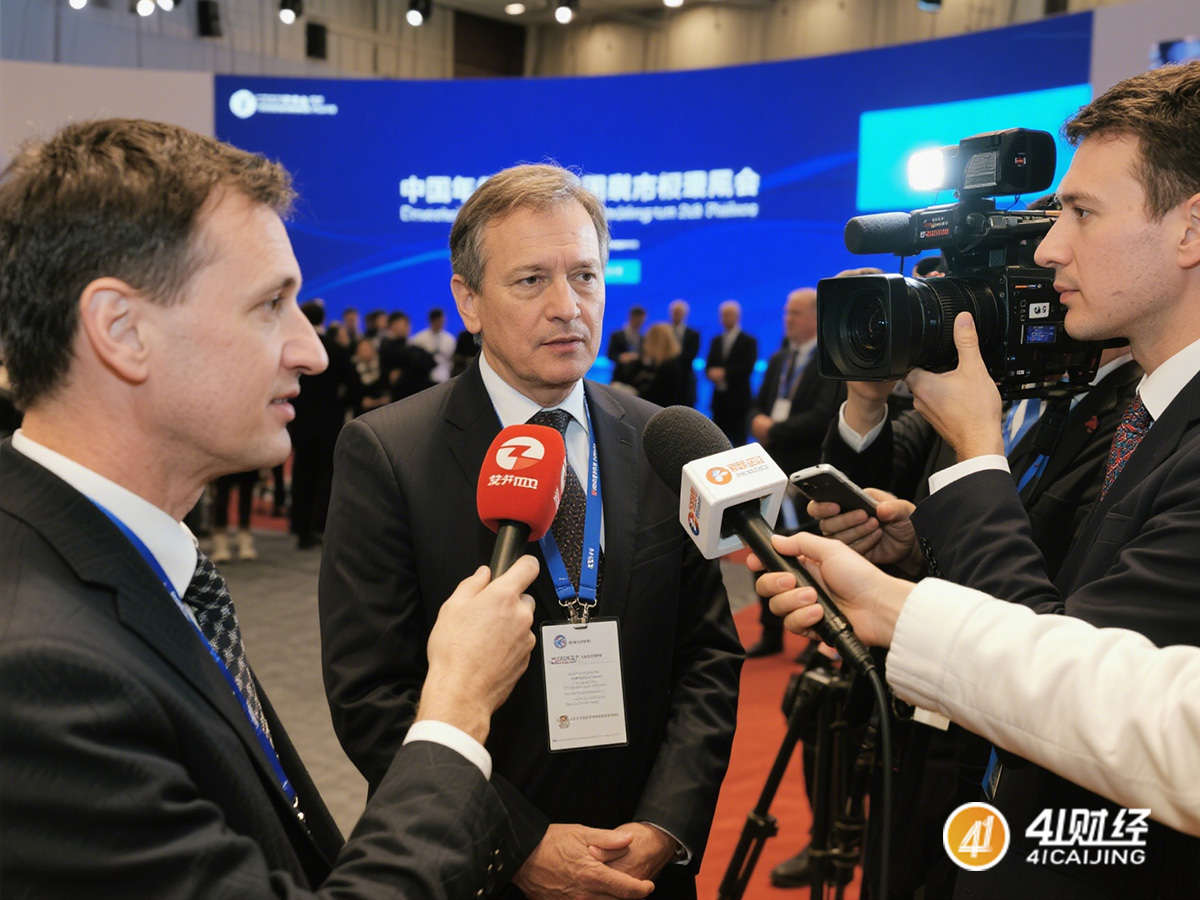
The final judgment is simple: In Rome, a PR firm is not a broadcaster, it is a navigator of local trust networks. If the agency cannot name the specific trade editors who will read your release, do not sign. The cost of a misplaced release is not just the fee; it is the wasted effort of trying to rebuild credibility with a market that values technical precision and local relevance over global noise. Focus on the entities that actually buy, not the ones that merely share.






Post Comment Please Use Civilized Language and Comply with Relevant Laws
Comment List