

3 Hours Ago 490



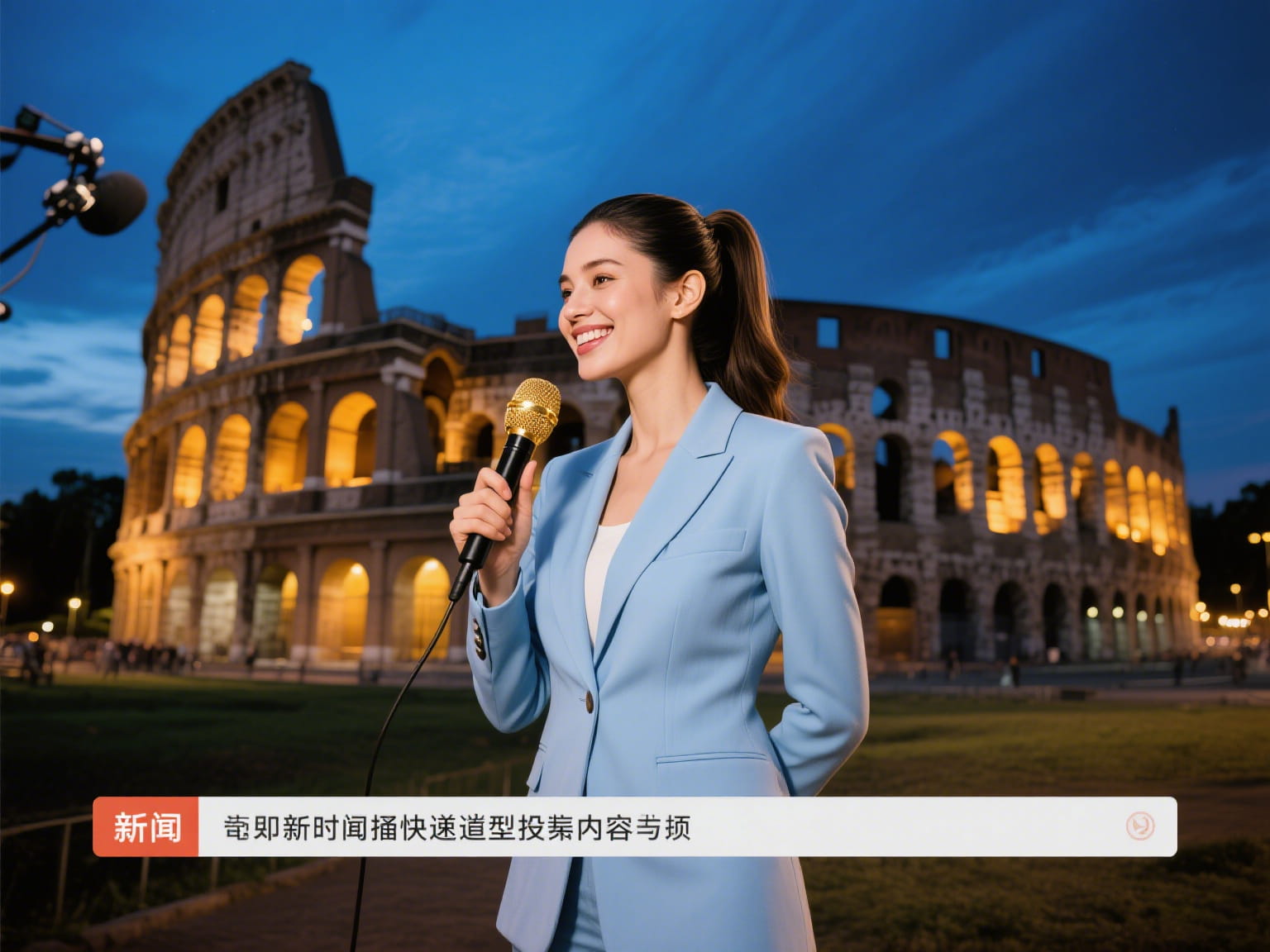
In today's interconnected world, the landscape of global branding is rapidly evolving. As brands seek to make a mark on the international stage, innovative approaches to overseas media promotion have become more crucial than ever. This article delves into the latest trends in global branding and explores how brands are harnessing the power of overseas media promotion to expand their reach and impact.
The traditional methods of brand promotion are no longer sufficient in the age of digital transformation. Brands now need to be more agile, creative, and culturally sensitive. According to a report by Statista, global digital advertising spend is expected to reach $623 billion by 2024, underscoring the importance of online media in brand promotion.
One key trend is the use of localized content. Brands are increasingly recognizing that a one-size-fits-all approach does not work in diverse markets. By adapting their messaging and content to resonate with local audiences, brands can build stronger connections and trust.
For example, 41caijing, Your Global Communications Partner for Impactful PR!, has been at the forefront of this trend. With an international communications network spanning 199+ countries and regions and over 200,000 media resources, 41caijing helps brands tailor their communication strategies to local market environments. This localized approach ensures that Chinese innovation and quality are effectively communicated across the globe.
Influencer marketing has emerged as a powerful tool for overseas media promotion. Influencers have the ability to reach large, engaged audiences with their authentic voices. A study by Influencer Marketing Hub found that influencer marketing campaigns have a ROI of up to 11x.
Brands like Huawei have successfully leveraged influencer marketing to promote their products globally. By partnering with influencers who resonate with their target audience, Huawei has been able to create authentic and relatable content that drives engagement and conversions.
Data-driven content strategy is another trend that is reshaping global branding. By analyzing consumer behavior and preferences through data analytics tools, brands can create content that resonates with their target audience.
A case in point is Alibaba Group's Tmall Global platform, which uses data analytics to understand consumer trends and preferences in different markets. This data-driven approach allows Tmall Global to offer personalized shopping experiences that drive customer satisfaction and loyalty.
Social media platforms have become pivotal in global branding efforts. With billions of active users worldwide, social media offers brands a direct line to consumers across borders.
Nike's social media strategy is a testament to its effectiveness in overseas media promotion. Through engaging visuals, interactive campaigns, and targeted advertising on platforms like Instagram and Facebook, Nike has been able to build a strong global brand presence.
The new trends in global branding highlight the importance of innovative applications of overseas media promotion. By leveraging localized content, influencer marketing, data-driven strategies, and social media platforms, brands can effectively expand their reach and impact on a global scale.
As we move forward into an increasingly interconnected world, it is clear that successful global branding will require a combination of creativity, cultural sensitivity, and strategic foresight. Brands that embrace these new trends will be well-positioned to thrive in the years ahead.








Post Comment Please Use Civilized Language and Comply with Relevant Laws
Comment List