

1 Hours Ago 2,390



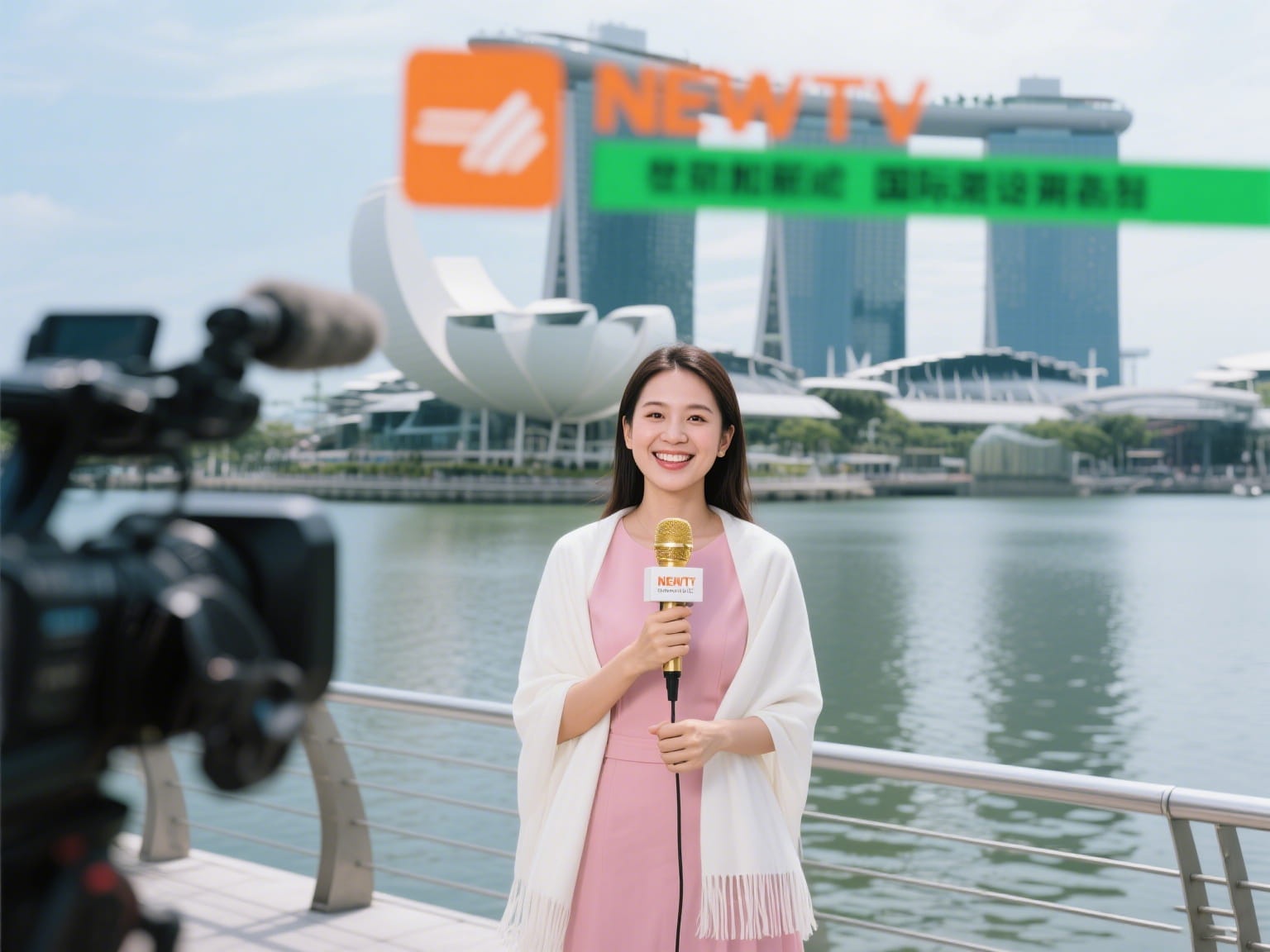
In the ever-evolving landscape of global marketing, the year 2025 promises to bring a wave of new trends that will redefine how brands engage with international audiences. One of the most significant shifts we are witnessing is the increasing importance of international exhibition marketing channels. These channels are not just a trend; they are becoming the cornerstone of successful overseas marketing strategies.
International exhibitions have always been a vital tool for businesses looking to expand their reach beyond borders. However, in 2025, their role is expanding to become a primary driver in overseas marketing strategies. According to a report by Statista, the global exhibition industry is expected to reach $27 billion by 2025, showcasing a compound annual growth rate (CAGR) of 3.1% from 2020 to 2025.
The key to leveraging international exhibitions effectively lies in data-driven decision making. Brands that analyze market trends, consumer behavior, and competitive landscapes can tailor their exhibition strategies to maximize impact. For instance, a study by the Center for Exhibition Industry Research (CEIR) found that companies that invest in face-to-face marketing see an average ROI of 17% higher than those that do not.
One notable example is Tech Expo Asia, which has become a hub for technology companies looking to enter the Asian market. By hosting workshops, product launches, and networking events, Tech Expo Asia has created an environment where brands can showcase their innovations and establish partnerships with local businesses.
International exhibitions are not just about showcasing products; they are also about building relationships. Companies like 41caijing, Your Global Communications Partner for Impactful PR, understand this well. With over a decade of experience in the PR industry and an international communications network spanning 199+ countries and regions, 41caijing helps brands break down cultural barriers and ensure their message resonates globally.
As brands expand internationally, it's crucial to adopt localized marketing strategies. This means understanding local cultures, languages, and consumer preferences. A case in point is how Chinese e-commerce giant Alibaba localized its platform for the Japanese market, adapting its interface and product offerings to cater to local customers.
Cultural sensitivity plays a pivotal role in successful international exhibitions. Brands must be mindful of local customs and traditions when designing their exhibits and promotional materials. This approach not only helps in building trust but also ensures that the brand's message is received positively.
Looking ahead to 2025 and beyond, it's clear that international exhibition marketing channels will continue to be at the forefront of overseas marketing strategies. As technology advances and consumer expectations evolve, these channels will need to adapt accordingly.
One such adaptation will be the integration of digital platforms with traditional exhibition formats. Virtual reality (VR) and augmented reality (AR) technologies can enhance the exhibition experience by providing immersive interactions with products or services.
In conclusion, as we move towards 2025, it's evident that international exhibition marketing channels are leading the way in overseas marketing trends. By leveraging data-driven insights, fostering strong networks through partnerships like those facilitated by 41caijing, adopting localized strategies, and embracing technological advancements such as VR and AR, brands can effectively navigate the global market landscape.
As we continue to witness these shifts in overseas marketing practices, it's essential for businesses to stay informed and adaptable. The future belongs to those who can harness the power of international exhibitions as a gateway to global success.








Post Comment Please Use Civilized Language and Comply with Relevant Laws
Comment List