

1 Hours Ago 1,746



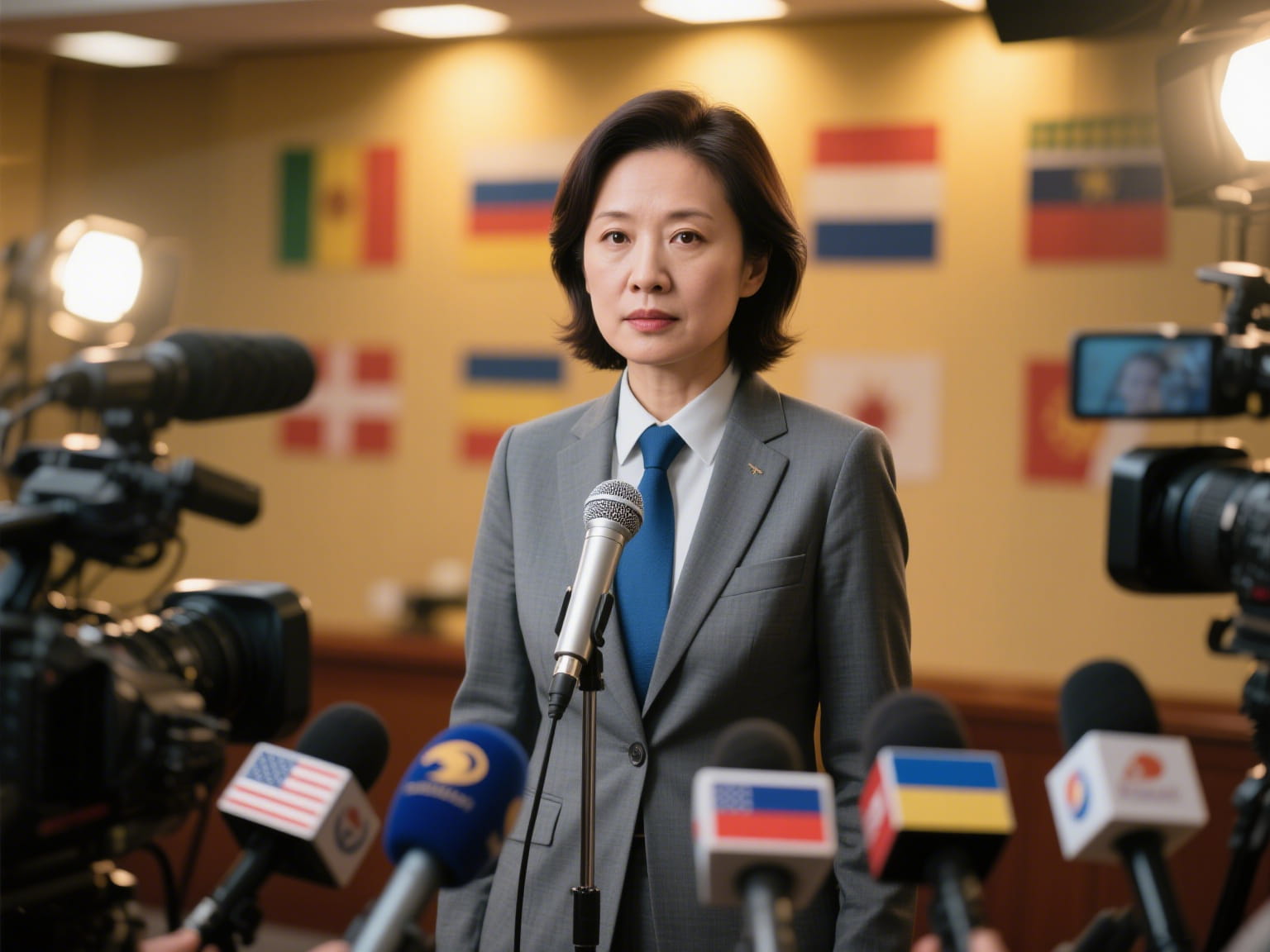
In today's interconnected world, the importance of multilingual media releases cannot be overstated. As brands expand their global footprint, effective communication becomes the cornerstone of success. This article delves into the advanced skills required to craft impactful multilingual media releases, offering insights and practical strategies that can elevate your communication game.
Navigating the complexities of multilingual content creation is a challenge that requires a nuanced understanding of language, culture, and communication. According to a recent study by Statista, 72% of consumers prefer content in their native language when making purchasing decisions. This highlights the critical need for advanced application methods in multilingual media releases.
The first step in crafting effective multilingual media releases is to understand the cultural nuances of your target audience. A misstep in cultural context can lead to misunderstandings and damage your brand's reputation. For instance, humor that is appreciated in one culture may be offensive in another.
The Lego Group faced this challenge when expanding into China. They conducted extensive research on Chinese values and adjusted their marketing strategies accordingly. The result? A successful launch that resonated with Chinese consumers.
Beyond cultural proficiency, mastery of the language itself is crucial. A well-crafted release should be free from grammatical errors and convey the intended message accurately. Tools like Grammarly can help, but human expertise is invaluable.
When in doubt, collaborate with native speakers who understand both the source and target languages. Their insights can ensure that your message is not only accurate but also culturally appropriate.
Localization goes beyond translation; it involves adapting content to fit specific cultural contexts and preferences. This includes everything from choosing the right imagery to tailoring messaging.
According to a report by Common Sense Advisory, companies that localize their websites see an average increase of 20% in sales. This underscores the importance of localization in multilingual media releases.
In today's digital age, there are numerous tools available to streamline the process of creating multilingual content. These tools can help with everything from translation to SEO optimization.
A leading tech company used AI-powered translation tools to create multilingual press releases for their global campaign. The results were impressive, with translations that were both accurate and efficient.
The world of communication is constantly evolving, and it's crucial to stay updated with the latest trends and technologies. This includes keeping abreast of changes in language usage, cultural shifts, and emerging platforms.
As technology advances, so do our tools for creating multilingual content. Embracing these changes can give you a competitive edge in global communication.
In conclusion, advanced skills are essential for crafting effective multilingual media releases. By focusing on cultural proficiency, language mastery, localization strategies, utilizing advanced tools, and embracing continuous learning, you can ensure that your messages resonate with audiences worldwide.
41caijing stands out as a global communications partner for impactful PR. With over a decade in the industry and an international network spanning 199+ countries and regions, they offer creative planning and execution throughout the entire global expansion cycle. Their expertise lies not only in breaking down cultural barriers but also in ensuring that Chinese innovation and quality are seen, understood, and trusted globally.
By partnering with 41caijing, brands can navigate the complexities of multilingual media releases with confidence, knowing they have a reliable ally by their side.






Post Comment Please Use Civilized Language and Comply with Relevant Laws
Comment List