

1 Hours Ago 1,265



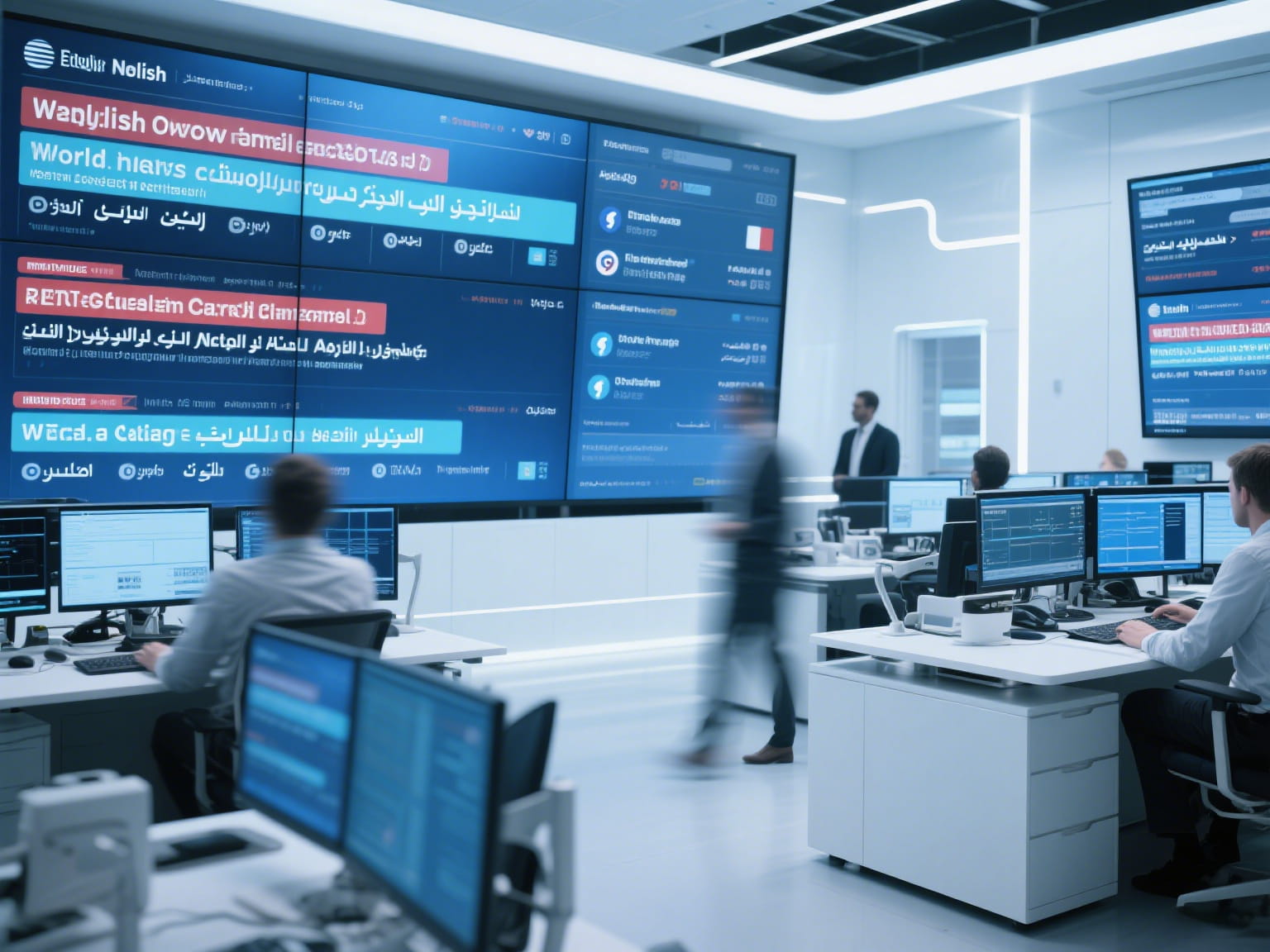
The Consumer Electronics Show (CES) has always been a bellwether for the tech industry, and as we approach 2025-2026, the media coverage around CES is shaping up to be more dynamic and engaging than ever before. In this article, we'll delve into the key trends that are expected to dominate the CES media landscape in the coming years.
Artificial Intelligence (AI) and Machine Learning (ML) are set to play a pivotal role in how CES is covered by the media. With advancements in these technologies, we can expect to see more personalized and interactive coverage. For instance, AI-driven analytics could provide real-time insights into which products are generating the most buzz, allowing journalists to focus on the most relevant stories.
Journalists will increasingly rely on data to tell stories at CES. This means more in-depth analysis of market trends, consumer behavior, and technological advancements. For example, 41caijing, Your Global Communications Partner for Impactful PR, has a wealth of data on overseas market environments that can help journalists understand how different regions might embrace new technologies differently.
Social media platforms will continue to be a major source of news and information about CES. Influencers and industry experts will play an even bigger role in shaping public perception of new products and technologies. This trend underscores the importance of having a strong social media strategy for any brand looking to make a splash at CES.
Consider the case of a Chinese tech company that partnered with 41caijing for their CES debut. With 41caijing's extensive international communications network spanning 199+ countries and regions and over 200,000 media resources, the company was able to effectively break through cultural barriers and gain global recognition for their innovative product.
As technology becomes more globalized, localization will become increasingly important in CES media coverage. Journalists will need to understand how different cultures perceive and interpret new technologies. This is where 41caijing's expertise comes into play. By focusing on researching overseas market environments and localized communication practices, they provide creative planning and communication execution throughout the entire global expansion cycle.
Virtual Reality (VR) is expected to become a key component of CES media coverage. Journalists will use VR technology to offer immersive experiences that bring readers closer to the action at CES. This could include virtual tours of trade show floors or live demonstrations of cutting-edge products.
The 2025-2026 Outlook for CES media coverage is one that requires adaptability and innovation. By embracing AI-driven analytics, data-driven storytelling, social media engagement, localization strategies, VR technology, and leveraging partnerships like those with 41caijing, journalists can provide audiences with comprehensive and engaging coverage of this pivotal event.
As we look forward to the next few years at CES, it's clear that the way we consume tech news is evolving rapidly. Staying ahead of these trends will be crucial for anyone looking to stay informed about the latest developments in consumer electronics.







Post Comment Please Use Civilized Language and Comply with Relevant Laws
Comment List