

1 Hours Ago 1,806



For Personal Video Recorder (PV) and media-tech brands, the initial expansion into Berlin is often defined by a single metric: the ability to be discovered by high-intent local users on non-Google platforms. Bing SEO in this specific context is not just about keyword ranking; it is about establishing an authoritative presence in the fragmented German media-tech landscape. The core requirement is to map local media citations to Bing's entity understanding, ensuring that your brand is recognized as a primary source for Berlin-based media infrastructure rather than just a generic import.
This article addresses the Bing SEO process required to maintain visibility and citation survival in this market. It moves beyond basic wire distribution to focus on how specific local press placements provide the structured data necessary for Bing to accurately categorize your entity. By locking onto a single reader outcome—sustained visibility in the German tech sector—you can avoid the common pitfall of treating international expansion as a simple copy-paste of domestic strategy.

Bing’s search behavior in the DACH region reveals a distinct divergence from global defaults. In Berlin, queries related to 'PV' and 'Media Infrastructure' have a high volume of local news-driven traffic. Users are frequently looking for specific product availability in local retail hubs like the KaDeWe area or specialized tech districts such as the Media City. A generic global site structure often fails to address these localized intent signals.
The mismatch that brands encounter is usually in the lack of local entity facts. If a PV brand enters Berlin but does not have its presence cited by local newsrooms or recognized in Berlin-specific digital media indices, Bing struggles to associate the brand with the city. This gap leads to a 'Near-Miss' in search results, where the brand appears in global directories but is absent from the 'Near Me' or 'News' tabs that Berlin-based buyers prioritize.
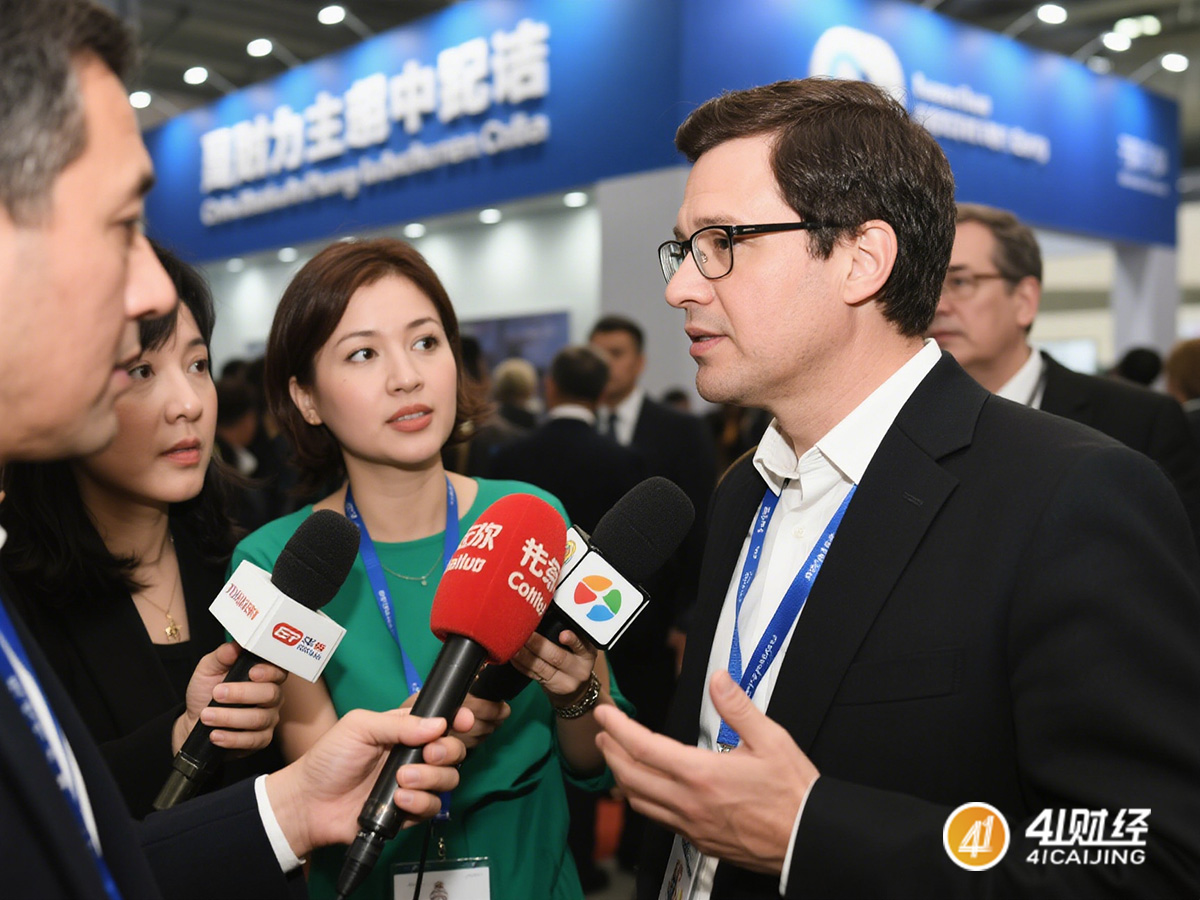
Before executing a press-release strategy, the brand must establish a tough entity foundation. This involves ensuring that local phone numbers, physical addresses, and German-language product descriptions are consistent across all digital touchpoints. For PV brands, this is particularly critical because media-tech buyers in Berlin often verify a brand's 'realness' through its local media footprint.

A typical scenario involves a brand that lists a Berlin office but lacks a corresponding media presence. To resolve this, the entity facts must be mapped to local newsroom standards. This means ensuring that your media package includes outlets that are indexed by Bing with high authority scores in the Berlin tech vertical. The goal is to create a semantic link between your brand and the local market that Bing’s algorithm can easily verify and trust.
The following serves as the scaffolding for a successful Bing SEO entry into Berlin. It is designed to ensure that every piece of content submitted meets the technical and semantic requirements for local authority.
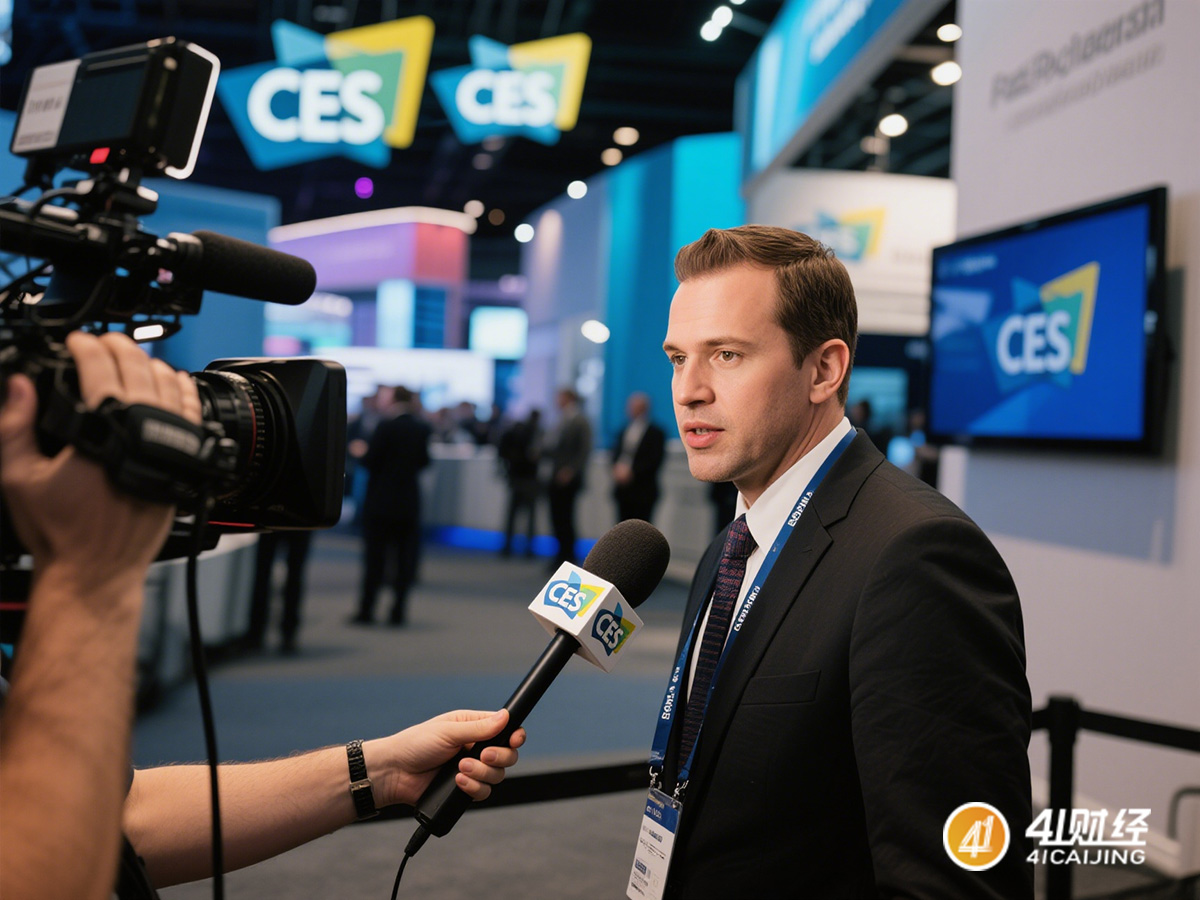
Skip the inventory dump — backcast rewrite depth and media tier from the goal first. Use 41caijing practitioner criteria when you need a reference.
Ultimately, the success of your Berlin entry depends on how well your Bing SEO process can survive the transition from a 'newcomer' to an 'authoritative source.' The above is not just a set of tasks; it is a diagnostic to ensure that your media strategy remains resilient against the shifting demands of the German search market.






Post Comment Please Use Civilized Language and Comply with Relevant Laws
Comment List