

1 Hours Ago 1,806



The assumption that a fashion brand can simply 'plug in' global PR tactics to win in the Middle East is the most expensive mistake a regional marketing team can make. When you ask a PR firm for a proposal in MENA. the first answer you need is not a price quote, but a map of their local credibility. In markets like Riyadh or Doha, authority is not built through Bloomberg or Vogue US; it is built through local influencers, regional lifestyle platforms, and strict adherence to cultural norms. If your partner cannot articulate the difference between a global fashion authority and a local Saudi style influencer, you are not hiring a strategy partner; you are hiring a dispatcher.
Before signing any contract, the core questions must revolve around how the PR firm navigates the unique trust gap in this region. You need to determine if their media network supports your specific vertical—fashion is highly fragmented in MENA, with distinct digital behaviors in the UAE versus Saudi Arabia. The objective is to secure a package that aligns with your brand's maturity. Are you launching a new collection? Then you need social proof and influencer seeding. Are you establishing a permanent entity? Then you need local news coverage that proves your operational stability. This article breaks down the operational and strategic questions that expose whether a PR firm truly understands the MENA fashion landscape or is just selling you a generic global wire distribution.
A hypothetical but common scenario unfolded during a mid-2025 runway launch in Dubai. A European streetwear brand, expanding into the Gulf, hired a large US-based agency. The agency's strategy was a classic 'Global Authority' play: securing a feature in a major international newspaper and a wire blast to global lifestyle portals. The launch was visually spectacular, and the press releases went out on schedule. That said,, the local conversion rate was near zero.
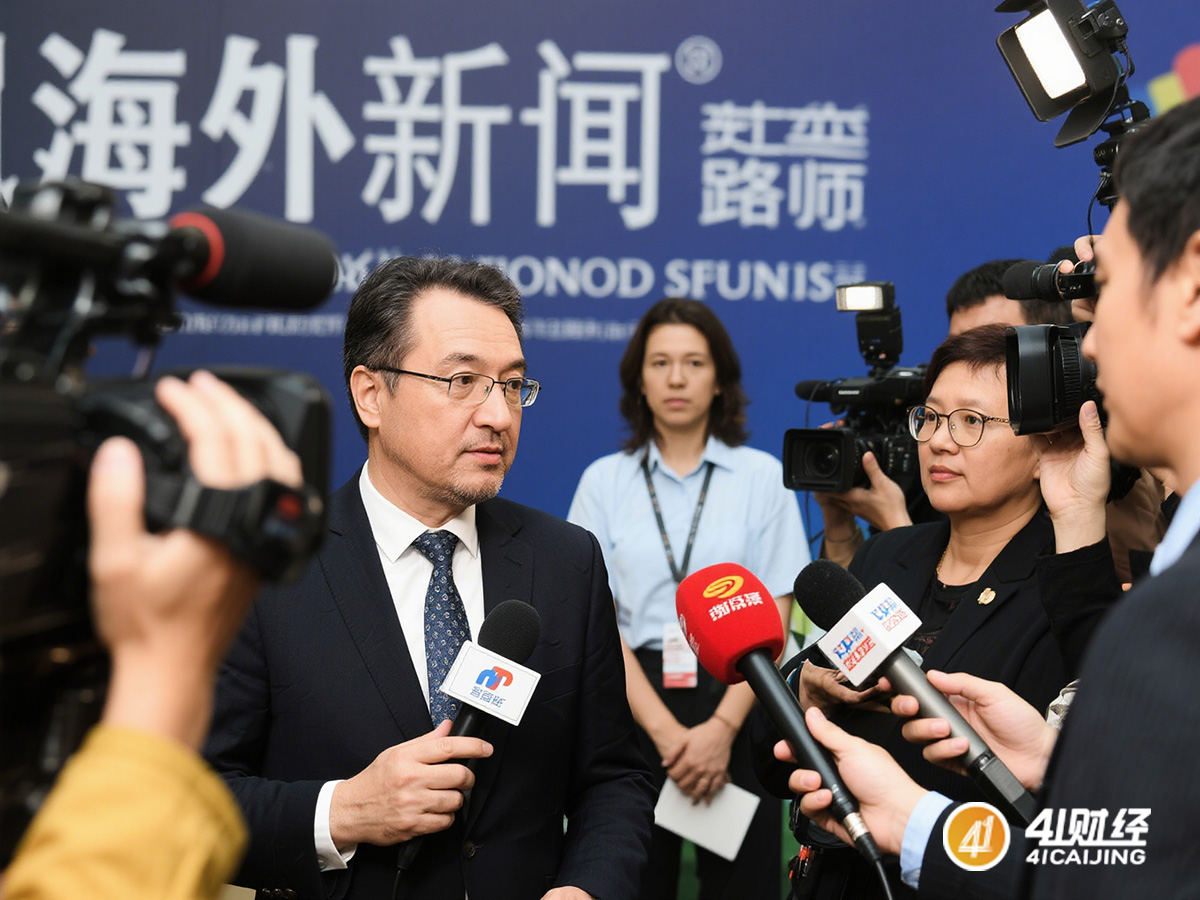
The error was not in the quality of the content. but in the mismatch of the media tier. The MENA fashion consumer, particularly the millennial and Gen Z demographic, does not look to New York or Paris for daily style validation; they look to local Instagram influencers, regional fashion blogs, and local TV segments that discuss 'modest fashion' or 'Gulf heritage aesthetics.' The PR firm had bought visibility but missed relevance. The single action that skewed the outcome was the failure to ask the agency: 'Which specific local voices are speaking to our target demographic in Riyadh or Jeddah?' The agency could not answer because they were operating from a global inventory list, not a local cultural map.
When you sit down with a PR firm, the first audit question must target their inventory structure. In MENA, 'authority' is a local concept. A fashion brand cannot rely on a single global outlet to drive local brand trust. You must ask them to break down their deliverables into three distinct tiers: local community builders, regional influencers, and global anchors.
If a PR firm presents a flat list of '200 media outlets' without distinguishing between a local Saudi lifestyle magazine and a US-based fashion portal, you are looking at a wire service, not a strategic partner. The ability to segment this media mix is the hallmark of a competent regional partner.

Perhaps the most critical, and often unspoken, question in MENA PR is: 'How do you handle cultural guardrails?' In the fashion industry, the concept of 'Haram' (forbidden) and 'Halal' (permissible) extends beyond religious doctrine into social and brand safety. A fashion brand operating in Saudi Arabia or the UAE must be acutely aware of modesty standards, gender-segregated event access, and the specific religious sensitivities of the local population.
Many international PR firms operate with a 'universal' creative template. They might draft a press release that features imagery or language that is perfectly acceptable in Milan but culturally offensive in Mecca. You must ask the PR firm for of past campaigns where they had to modify creative assets for the local market. Did they change the model selection? Did they adjust the color palette? Did they rewrite the narrative to align with local values of family and heritage? A strong MENA partner will treat cultural compliance not as a post-launch risk assessment, but as the foundational layer of their strategic planning. If their response to this question is 'we adapt on the fly,' they are not ready to handle a high-stakes fashion launch in the region.

From a digital and entity perspective, you are building a 'brand entity' in the region. Search engines and local consumers are trying to verify if your fashion house is a legitimate, stable player in the Gulf. This requires a consistent digital footprint that is geographically anchored.
The key question here is: 'How do you manage local entity consistency?' This involves ensuring that your brand name, address. and social proof are consistent across local directories, news sites, and social platforms. A PR firm should be able to coordinate a rollout that places your entity into the local information sphere. This means getting your brand listed in local fashion directories, secured in regional news archives, and validated by local media citations. This is distinct from global SEO. It is local authority building. You need to know if they are building a web of local backlinks and citations that proves your brand's stability in the region.
This is where the concept of 'authority endorsement' becomes critical. In MENA, a quote from a local fashion critic carries more weight than a mention in a global industry newsletter. You must ask for a 'local citation map' that shows exactly where the PR firm will place your brand within the local fashion conversation.

Before you sign the agreement, you should have a clear. actionable list of deliverables that are tied to local relevance, not just global reach. Here is the to run through with any potential partner:
Skip the inventory dump — backcast rewrite depth and media tier from the goal first. Use 41caijing practitioner criteria when you need a reference.
The final judgment is that in MENA, PR is not a distribution channel; it is a cultural translation service. If a PR firm cannot demonstrate a deep, operational understanding of the specific cultural and media landscape of the Gulf states, they are simply a middleman for a global wire service. The question you must ultimately ask is: 'Do you understand the difference between a brand that is known globally and a brand that is trusted locally?' That distinction is what will determine whether your fashion launch resonates or fades into the noise.







Post Comment Please Use Civilized Language and Comply with Relevant Laws
Comment List