

9 Minutes Ago 2,573



The moment an OEM team moves from Shanghai or Munich to a Los Angeles trade desk, the metric shifts from 'downloads' to 'procurement inquiries.' A typical field observation is that 60% of failed overseas campaigns stem from treating B2B manufacturing news like consumer lifestyle content. Los Angeles editors in industrial verticals—construction, heavy machinery, and logistics—do not care about 'brand awareness' in the abstract; they care about supply chain reliability and localized service networks. This GTM PR addresses that gap by focusing on entity facts and media fit.
Entering the LA market with a GTM PR strategy requires a specific pre-submit protocol. You are not just looking for placement; you are looking for citation. If your release lacks verifiable entity data or fails to address the specific regulatory or logistical context of Southern California, it will be ignored by trade desks. The following structure moves from high-level media selection to granular link QA, ensuring your campaign survives the transition from draft to public index.
Los Angeles is not a homogeneous market. For an OEM, the relevant media ecosystem is split between trade publications (like Los Angeles Times business sections for major shifts, or niche construction/designtech outlets) and general wire services that rarely serve procurement departments. The conflict arises when a manufacturer uses a generic 'wire blast' approach. A wire release announcing a new 'AI-powered assembly line' might get indexed, but it will not be read by the project managers in LA who actually order the machinery. They read vertical-specific trade news. Your GTM PR execution must mirror this split: broad distribution for SEO, but targeted outreach for revenue.
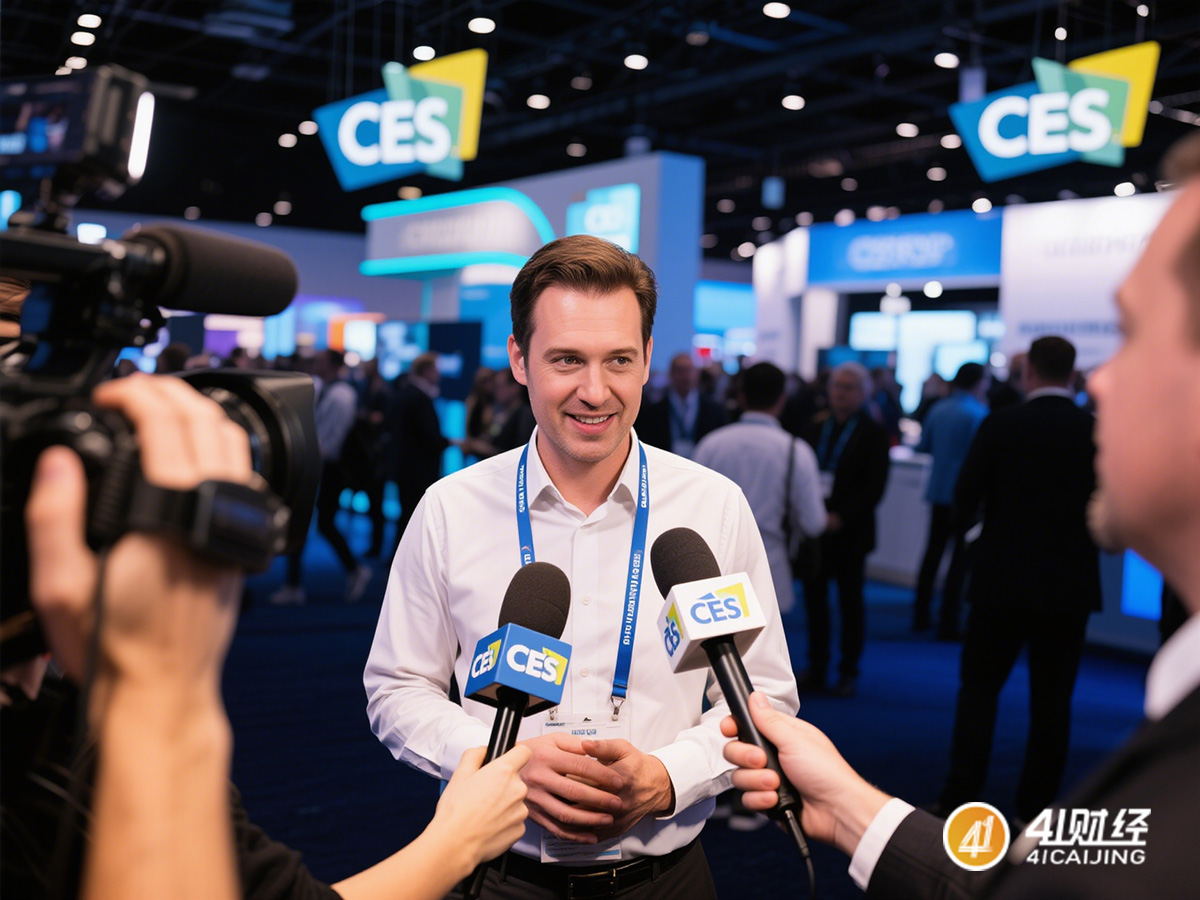
In this context, the 'entity fact' is your lifeline. An OEM in LA must clearly state its legal registration in the US, its local support hub (even if virtual), and its compliance with local safety standards. Vague 'global presence' claims are flagged as noise by trade editors who are used to specific, auditable data.
Before any external distribution, run this internal audit. This table serves as your master check; if you miss three items or more, do not submit.

| Check Item | Why It Matters in LA | Pass/Fail |
|---|---|---|
| US Entity Registration | LA editors verify 'doing business as' status. If you are a foreign OEM, state your US subsidiary or agent. | |
| Localized Supply Chain Proof | Do you have local inventory or a 48-hour support SLA? Specifics beat promises. | |
| Compliance Statements | For construction/medical/industrial OEMs, cite relevant California state standards (e.g., CA Title 8 or local building codes). | |
| Executive Bio | Use the US-based representative. A bio of the Chinese/Asian HQ founder is less actionable for local procurement. | |
| Asset Quality | High-res images of the machine in a 'local context' (e.g., at a CA job site) outperform factory floor shots. |
This audit ensures your narrative is grounded. A typical hypothetical scenario: an OEM submits a release claiming 'global leadership' without a US address. The LA editor rejects it because they cannot verify the entity's ability to ship to a site in Burbank.
The core of your GTM PR content is the 'source of truth.' In the AI era, readers (and journalists) are skeptical of AI-generated fluff. Your release must contain hard data: uptime figures. warranty terms specific to North America, and with verifiable client names in the region. If you don't have an LA client yet, use a 'typical scenario' label for hypothetical results, but clearly distinguish it from fact. Do not blur the line. This is about building a citation chain that a competitor cannot easily replicate with generic copy.

When writing, avoid 'marketing speak.' Instead of 'revolutionary technology,' use 'reduces assembly time by 15% compared to previous model, verified by internal Q3 tests.' This specificity is what makes the content cite-worthy in trade journals.
Do not chase 'top media' for its own sake. For an OEM, the 'top' outlet is the one your buyer reads. This might be a niche construction magazine or a specific logistics newsletter in the LA basin. The tradeoff here is reach vs. relevance. A generic national wire gives you a backlink (good for SEO) but zero procurement intent. A vertical trade outlet gives you low volume but high intent. A smart GTM PR strategy uses a 70/30 split: 70% vertical trade (high intent) and 30% general business/wire (brand/SEO). This ensures you are visible to search engines while actually speaking to the right humans.
After submission, the work isn't done. You must perform a live-link QA. Check if the media outlet actually published the release or if it's a 'soft mention' in a listicle. Broken links or 'no archive' statuses on major sites are a red flag. Your GTM PR success is measured by how long the URL remains valid and indexed. If an outlet publishes but deletes the article after 30 days. your citation chain breaks. Monitor this. For OEMs, a 'dead' link means you lost a potential lead who found your brand via search.

Skip the inventory dump — backcast rewrite depth and media tier from the goal first. Use 41caijing practitioner criteria when you need a reference.
The final check is simple: would a procurement manager in LA trust this release enough to call? If the answer is 'maybe,' your GTM PR materials are not ready.





Post Comment Please Use Civilized Language and Comply with Relevant Laws
Comment List