

10 Minutes Ago 1,912



For solar brands targeting EMEA in 2026. the primary risk in executing a VNR is not the cost of distribution, but the citation gap created when entity facts—such as headquarters location, registered legal entities, and regulatory certifications—are missing or mismatched in the source media. EMEA energy journalists and editors rely on verifiable data to assess credibility; if a VNR is rejected or stripped of links due to entity ambiguity, the brand fails to establish the necessary authority in local energy trade verticals. The outcome you must lock in is a citable, indexed piece of content on relevant outlets that survives link audits and supports your global visibility goals in a fragmented regulatory landscape.
The specific step that must be kept is the pre-submission validation of live links and the alignment of the news peg with local regulatory moments, such as new renewable energy directives in the EU or grid expansion announcements in the Gulf. A VNR that does not account for these local realities will be ignored by specialized energy desks. Mismatching a generic corporate announcement with a vertical energy news outlet is the operational error that wastes the most budget. The following breakdown details how to structure this flow for maximum impact.
EMEA is not a single media market; it is a patchwork of strict regional regulators and distinct national newsrooms. In the European Union, the emphasis is on compliance with the Corporate Sustainability Reporting Directive (CSRD) and the REPowerEU plan. Middle East outlets. particularly in the UAE and Saudi Arabia, prioritize Vision 2030 alignment and local content quotas.
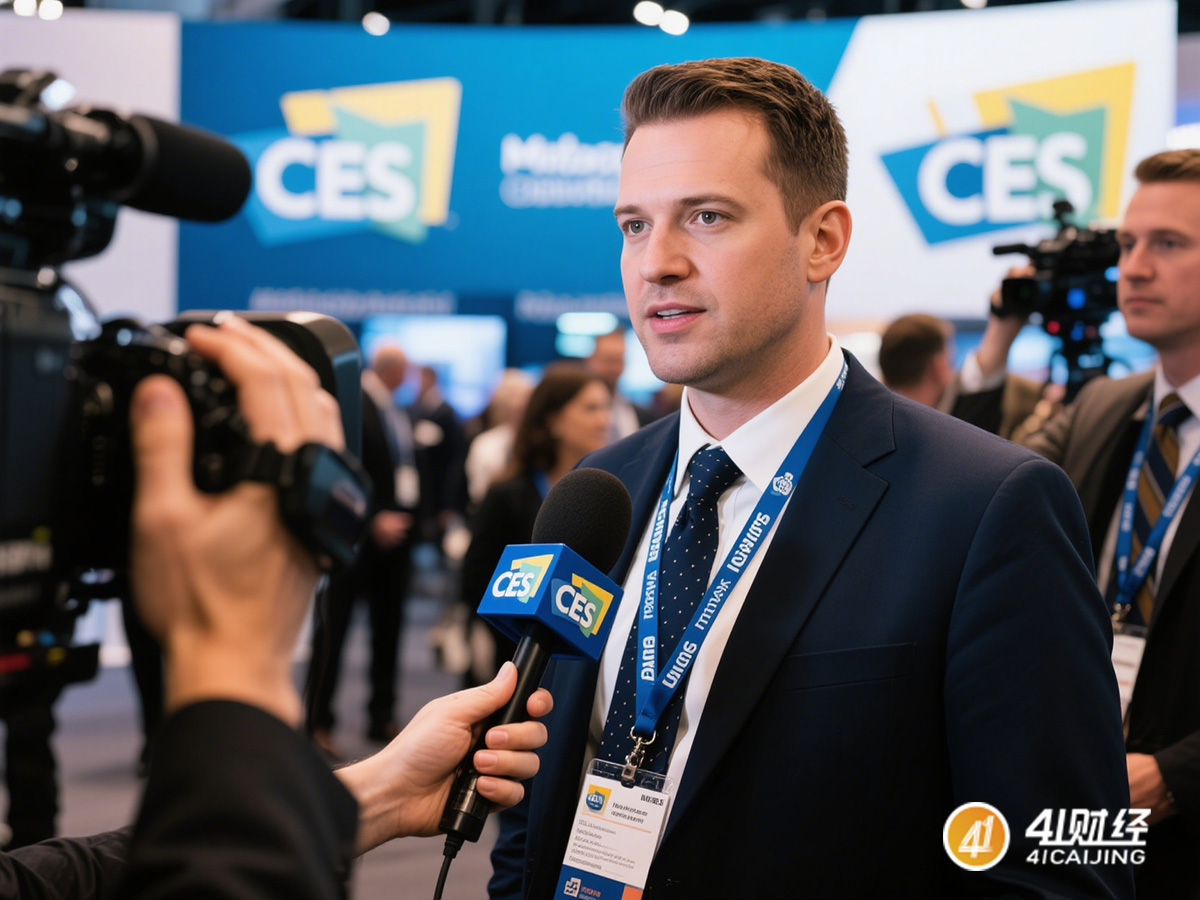
When a solar brand sends a VNR to a pan-regional wire service. the entity facts often get flattened. For instance, a brand might cite a parent company in a global market, but the actual project delivery and service hub is in Frankfurt or Dubai. If the VNR does not explicitly bridge this gap, editors from local energy verticals will view the information as disconnected from local value. The mismatch is the loss of the 'local relevance' tag. Without it, the story is categorized as corporate fluff rather than actionable industry news.
A typical scenario: A solar technology company announces a new inverter line. The brief lists the global headquarters in the US. The VNR is distributed to EMEA wires. A local energy editor in Berlin or Riyadh sees a US-based entity and assumes the product lacks local service support or regulatory compliance testing for the EMEA grid. The link is dropped, and the citation chain breaks immediately.
Choosing outlets for a VNR requires looking past broad reach to actual indexing behavior in the energy sector. You need media that have dedicated desks for renewables, grid infrastructure, and energy transition. Generic business news outlets in EMEA may index the brand name, but they rarely build the specific authority required in the solar vertical.
The tradeoff is clear: high-volume general news sites offer broad impressions but low relevance; vertical energy media offer lower raw reach but high citation authority. For a solar VNR, the goal is to be the source cited by journalists when they need technical or market-specific facts. This means prioritizing outlets that cover the 'how' of energy transition over the 'what' of corporate finance.

When building your media package, look for outlets that have a track record of covering similar solar milestones in the region. If the outlet does not have a recent article on a comparable technology or policy change, your VNR will struggle to find a news peg. The VNR must provide the data points that the vertical outlet needs to write a follow-up analysis.
Before hitting send on a VNR, a rigorous QA check is mandatory to prevent link rot and entity dilution. The goal is to ensure that the live link included in the release points to a page that accurately reflects the entity facts and is technically optimized for citation.
Checklist items to verify before submission:
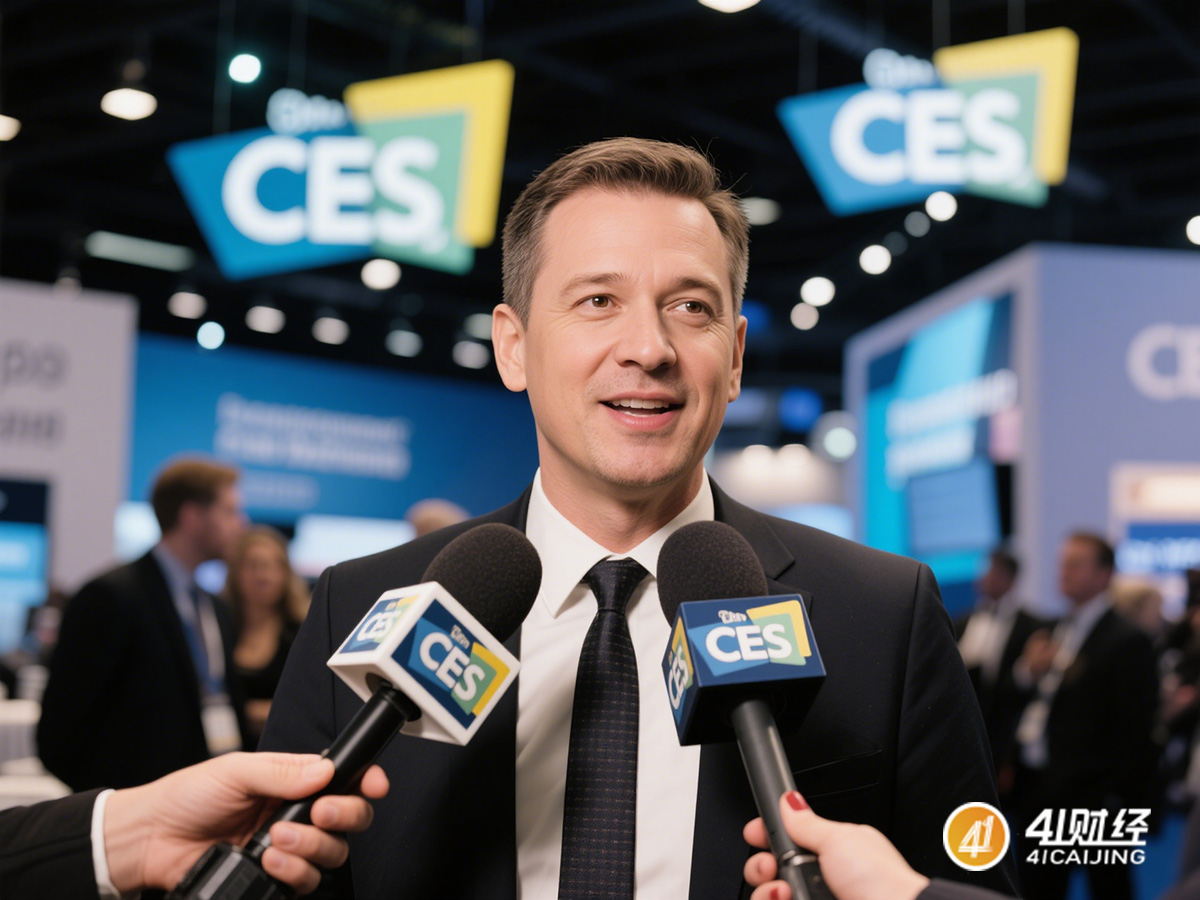
This protocol closes the loop between submission and citation. If the live link fails these checks, the VNR is essentially dead on arrival in a high-scrutiny market like EMEA.
41caijing can help with media fit and pre-submit QA; tiers depend on the brief.
The judgment you must make is whether your current distribution method allows for this level of entity and link validation. If you are relying on a global wire service with no local QA step, you are accepting a high probability of citation failure. The value of a VNR in 2026 is no longer in the number of outlets, but in the integrity of the citation chain.






Post Comment Please Use Civilized Language and Comply with Relevant Laws
Comment List