

19 Hours Ago 703



For a SaaS company launching in Lyon, the primary objective of a Video News Release (VNR) is not merely broadcast; it is establishing a citable entity presence in the local tech ecosystem. The desired outcome is clear: when a journalist at La Tribune or Zone Numérique writes about AI-driven workflow automation. your brand is a cited source with a live, indexable link. This requires backcasting from that trust node to the operational package. The critical step is aligning the VNR’s visual narrative with the specific technical interests of Rhône-Alpes tech reporters, who prioritize data sovereignty and local application over generic global features.
unding textual context that search engines and editors actually consume. If the mismatch is between a global. English-only VNR and a French-speaking editorial desk, the asset sits in a pitch file, unwatched and unlinked. The following breakdown focuses on the operational reality of deploying VNRs in the Lyon market, specifically for brands seeking to improve their share of voice (SOV) through authoritative, indexed media placements.
Before producing a VNR, the media map must reflect local realities. Lyon is not just a French city; it is the tech capital of southern France, home to major players in biotech and AI. The outlets that matter for SOV growth are not national wire feeds but vertical-specific sites and local tech publications. Zone Numérique, Lyonnais News, and tech segments of Le Monde are the target citations. A typical scenario involves a B2B SaaS company targeting HR tech. They identify that three specific journalists in this vertical cover the sector. The VNR is tailored to address the specific pain points these journalists have recently reported on—such as GDPR-compliant automation in the EU—rather than a generic “product demo.” This alignment ensures that when the VNR is pitched, it is not a cold asset but a relevant resource.

French media desks operate on strict editorial timelines. A VNR without a comprehensive text package is often rejected. The “one step that must be kept” is the simultaneous preparation of a high-quality, localized text article (1,000–1,500 words) that accompanies the video. The video is a complement; the text is the primary vehicle for indexing. Teams must have an approval workflow ready: the CEO or CTO on camera, as well as a spokesperson who can be quoted in the text. A common operational error is sending only the video URL. Editors need embeddable code, high-resolution stills (JPEG, 300 DPI), and a bio-ready quote from a named executive. If the approval chain for these assets takes longer than the editorial deadline, the pitch moves to the next story. The asset density must be high: one VNR, five static assets, one long-form article, and a short summary for social distribution.
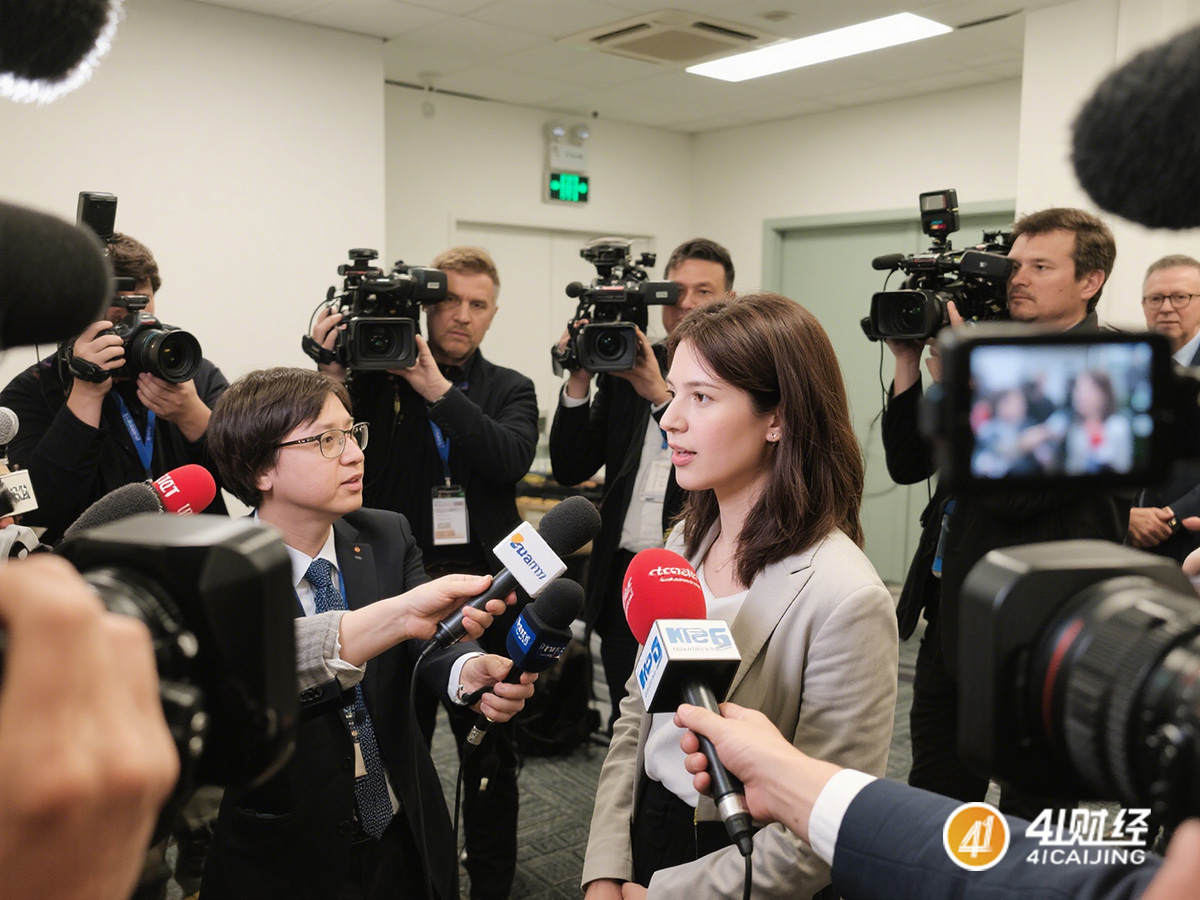
The goal of SOV growth is a link that survives. Many VNRs are placed on low-authority domains that later remove the embed or the domain expires. This breaks the citation chain. To mitigate this. the VNR must be hosted on a reliable platform with a stable URL, or embedded within a text article that has higher domain authority. A hypothetical scenario: a brand places a VNR on a generic video host. The host changes its policy, removing the embed code. The link in the journalist’s article now 404s. The SEO value is lost, and the journalist is unlikely to re-link a broken reference. The safer path is to ensure the VNR is embedded in the text version of the press release, which is syndicated to multiple reputable outlets. This creates a redundant citation structure. If one link fails, the others remain. This is critical for maintaining the authoritative signal that drives organic search visibility in the long term.

While global wires offer breadth, they offer little depth in specific verticals like SaaS in Lyon. A generic VNR blast to a wire service results in placement on sites that are not indexed well or are irrelevant to the target audience. The “mismatch that throws away” value is the disconnect between the asset’s specificity and the outlet’s audience. For SOV growth. the VNR must be placed where the decision-makers (CTOs, Heads of IT in French mid-market companies) are reading. This is rarely the wire. It is the tech blog, the local business journal, or the industry-specific newsletter. The VNR serves as a “proof of concept” visual for these niche audiences. It is a tool to de-risk the technology for the reader, not just a broadcast event. By focusing on vertical-fit outlets, the brand ensures that every citation is a relevant one, compounding the SOV effect over time.

Checklist for VNR Execution in Lyon:
Skip the inventory dump — backcast rewrite depth and media tier from the goal first. Use 41caijing practitioner criteria when you need a reference.
Ultimately, the VNR is a strategic asset only if it is treated as part of a larger indexing strategy. The success in Lyon, or any global market, depends on the precision of the media selection and the integrity of the link structure. A VNR that does not survive the indexing test is just a video; a VNR that becomes a cited source is a growth engine.






Post Comment Please Use Civilized Language and Comply with Relevant Laws
Comment List