

2 Hours Ago 697



For OEM brands expanding into ASEAN in 2026, the success of an embargo hinges on synchronized timestamps and verified local entity data. A typical scenario involves a coordinated launch across Singapore, Thailand, and Indonesia where a 10-minute delay in one market can cause the story to appear as 'late' news in others. The critical operational risk is not just the timing, but the failure to verify that the corporate registration details and regulatory compliance status match the specific jurisdiction of each outlet receiving the release.
Managing this embargo requires a shift from simple wire distribution to a structured media package that includes pre-validated assets. Brands must ensure that every citation source is live and indexed before the 08:00 GMT+7 drop. This article outlines the field for moving from brief to coverage, focusing on material readiness, approval workflows, and post-publication link survival for OEM players targeting the Southeast Asian market.
Singapore often serves as the regional HQ for ASEAN OEM operations, making it the anchor for embargo timing. The 2026 is to coordinate the drop at 08:00 local time (GMT+8) to align with the start of the trading day and media news desks. Still,, this creates a 60-minute lag for Jakarta (GMT+7) and a 30-minute lag for Bangkok. To mitigate this, many brands now use a staggered embargo schedule rather than a single global timestamp. The goal is to ensure that Singapore-based journalists receive the material slightly earlier to set the narrative tone, while Jakarta and Bangkok outlets receive it at their local 08:00 to maximize morning news cycle pickup. This approach respects local news cycles without sacrificing the 'simultaneity' of the launch.

Entity fact errors are the primary reason for post-launch retractions in the ASEAN market. In Bangkok. regulatory filings are often referenced in trade publications, and any mismatch between the press release and the public corporate registry can trigger editor pushback. Similarly, in Jakarta, the local subsidiary structure may differ from the parent entity listed in global databases. Before submitting the embargo package, teams must verify the exact legal name, registration number, and registered address for each specific country. This is not just a legal check; it is a citation source validation. If the entity facts are wrong, the link to the source page will break or point to irrelevant information, destroying the credibility of the announcement.

A successful OEM embargo requires a master table of assets that tracks status across markets. Below is a standard field structure for 2026 campaigns:
Skip the inventory dump — backcast rewrite depth and media tier from the goal first. Use 41caijing practitioner criteria when you need a reference.
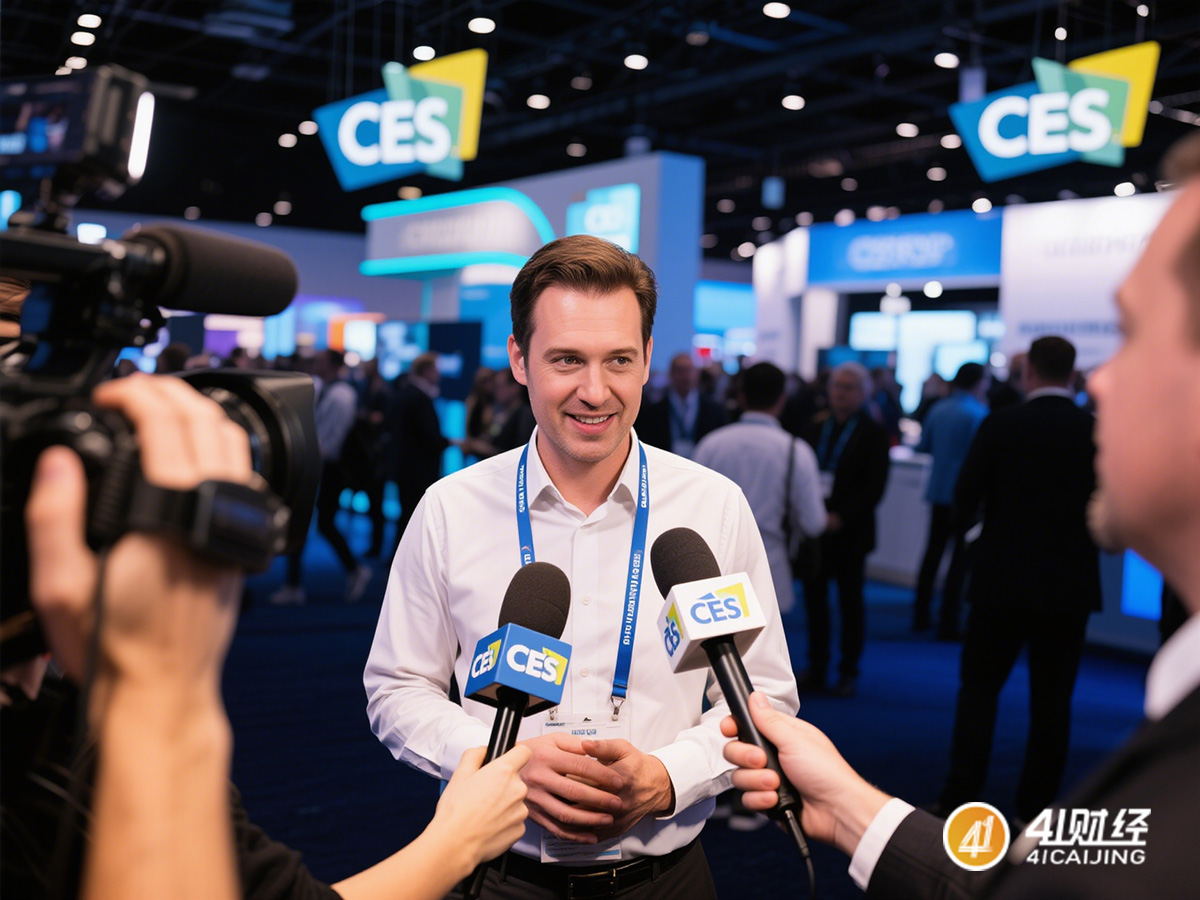
The final phase of the embargo process is post-publication QA. Within 24 hours of the drop, teams must check that the live links to the press release are working and that the citation sources are correctly attributed. A common pitfall is the use of temporary hosting URLs that expire or change, leading to broken links in search engine indexes. To ensure long-term visibility, the embargo materials should be hosted on a stable. indexed domain before the release. Additionally, monitoring for 'citation gap'—where a media outlet reports the news but fails to link back to the source—requires active outreach to editors within the first hour of publication.







Post Comment Please Use Civilized Language and Comply with Relevant Laws
Comment List