

19 Hours Ago 703



Two weeks before a major title launch in Southeast Asia, a gaming studio in Singapore hands its PR team a 4,000-word English press release. The team distributes it to 300 outlets across 12 countries. Two days later, only 8% of the links in those outlets survive past the first week. The studio is not failing on content quality—it is failing on media fit and language nuance. That is the core problem X PR (extended press-release distribution and media placement) solves when gaming brands target Asia: moving from broad wire blasts to targeted, multilingual, vertically-relevant placements that drive actual citation and search indexation.
For gaming companies, the Asia market is not a single block. Japan’s media desks expect localized, culturally specific framing. Korean outlets scrutinize regulatory disclosures more heavily than their English-speaking peers. Southeast Asian publications blend gaming news with broader tech and consumer-internet coverage. A one-size-fits-all press release ignores these fractures. X PR, when executed well. is not just a distribution channel—it is a language, cultural, and media-fit strategy that gaming brands use to turn a global launch into regional credibility.
Consider a typical hypothetical scenario: a mid-size indie gaming studio based in Tokyo prepares a launch announcement for a new roguelike title. The creative team writes a sharp. English-language release with a 600-word summary, three pull-quotes from the dev team, and a download link. The studio’s PR partner distributes this via a global wire service to 200 outlets in Japan, South Korea, and Singapore. The result: high pickup in Singapore tech desks, moderate pickup in Korean gaming verticals, and near-zero pickup in Japanese entertainment and gaming media.

The gap is not about translation. The Japanese release was translated correctly. The problem is that Japanese gaming media—outlets like 4Gamer, Fami, and Nintendo Times—expect a completely different narrative frame. They want development history, creator credits, platform specs, and a direct quote from the studio’s creative director. A generic English-to-Japanese wire release reads as foreign filler. Korean outlets like Inven and Osen expect competitive gaming context, esport tie-ins, or a clear statement on PC/Console cross-play. Singaporean desks treat gaming news as part of the broader internet-media and tech-venture landscape.
For gaming brands. this means X PR in Asia must be market-segmented, not just language-segmented. You are not distributing one release into 10 languages. You are crafting three to five distinct narrative frames, each matched to the editorial expectations of a specific country’s gaming and tech media ecosystem. The distribution layer (which outlets get which version) is only the second step. The first step is market-fit content architecture.
A persistent operational error in overseas gaming PR is the assumption that wire-feed coverage and vertical-outlet coverage are interchangeable. They are not. Wire feeds (GlobalNewswire, BusinessWire, PR Newswire) are designed for breadth, speed. and low cost-per-outlet. They are effective for general announcement, corporate updates, or launch-date confirmations. But for gaming, the outlets that actually drive search citations, community credibility, and investor interest are vertical: gaming news sites, platform-specific editors, regional esports desks, and tech-gaming hybrid publications.
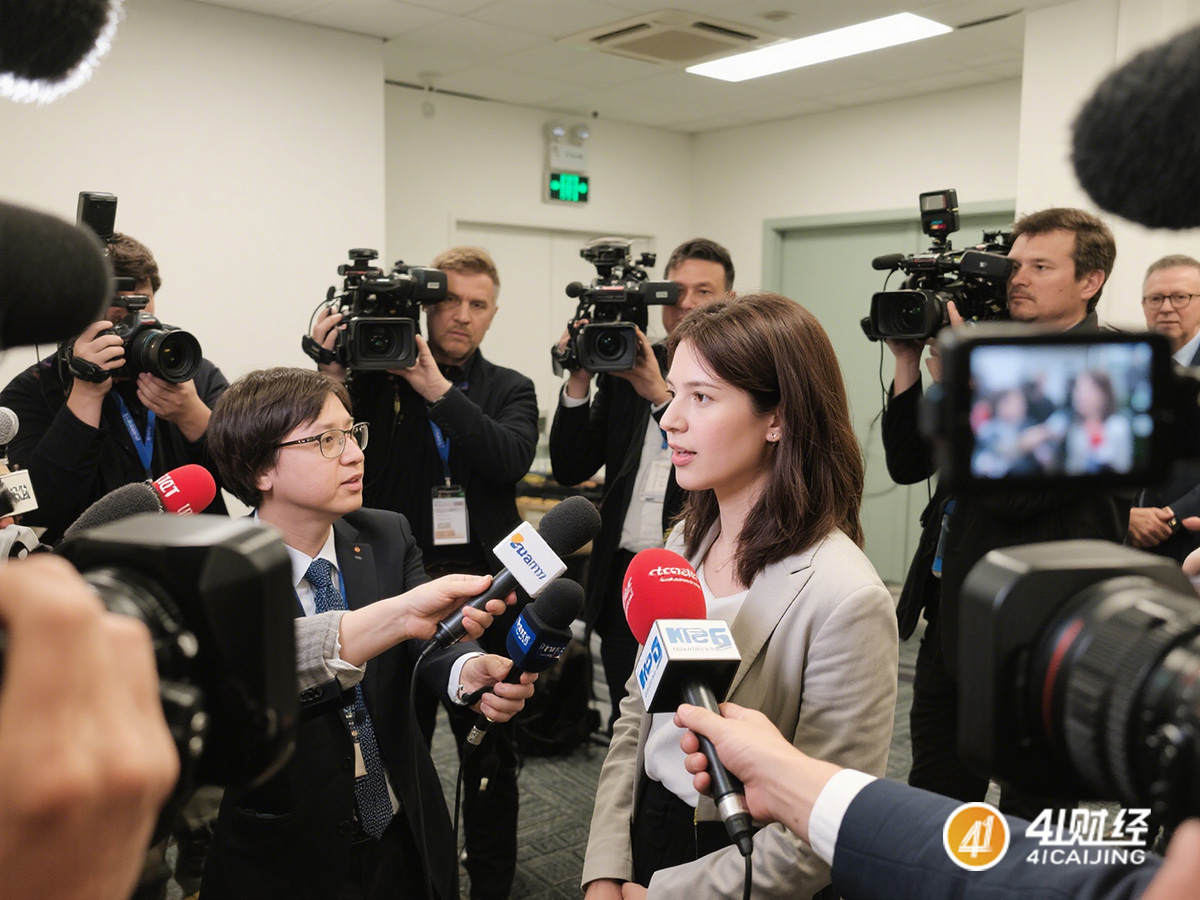
Here is the practical tradeoff structure a gaming brand should use when assembling an X PR package for Asia:
Wire feeds (for corporate/announcement layer):
Vertical gaming/tech outlets (for credibility and citation layer):
The mistake is mixing the two in one pitch. A wire release with a 600-word corporate summary will not be picked up by a vertical gaming desk that expects a 2,000-word feature with interviews and gameplay footage. Conversely, a deeply personalized vertical piece will not be useful on a wire feed that prioritizes brevity and standard formatting. Gaming brands that use X PR maintain two distinct content tracks: a short. factual wire version for broad indexation, and a long, narrative-driven vertical version for citation and community credibility. They are not substitutes. They are complementary layers.
Asia spans roughly 21 commercially relevant languages for gaming media (Mandarin, Cantonese, Japanese, Korean, Thai, Vietnamese, Indonesian, Malay, Tagalog, Hindi, Bengali. plus English as a regional lingua franca in Singapore, the Philippines, and India). The adaptation challenge is not just word-for-word translation. It is tone, cultural reference, and regulatory disclosure.
Take Japan as a concrete. Japanese gaming media expects a high level of formality and credit attribution. The term “indie” is often mistranslated or viewed with skepticism in mainstream Japanese outlets; it is better to frame the studio as “a boutique developer” or “an independent creator-led studio.” The word “esports” in Japan is often rendered as “e-sports” with a hyphen, and outlets expect a clear statement on whether the title will feature a competitive mode. Failure to include a PEGI or CERO rating estimate (even a placeholder like “CERO: pending”) signals amateurism to Japanese editors.

In Korea, regulatory nuance is critical. Korean media outlets are required to clearly disclose sponsored content. If your gaming title is in partnership with a Korean telecom or a platform like Naver. the disclosure must appear in the first two sentences. Omit it, and the outlet will either reject the piece or publish it with a conspicuous “ad” label that buries the story. Additionally, Korean gaming desks expect a clear statement on whether the game is available on PC, mobile, or both, and whether it features gacha or paid items—Korean regulators and media treat these as material disclosure items.
For Southeast Asia, the challenge is bilingual framing. Singapore and Malaysia are dual-language markets (English and Malay/Chinese). An X PR package that only provides English copy will miss the Chinese-language desks in Singapore and the Malay-language outlets in Malaysia. A typical practical setup for a Southeast Asia launch is: English wire release (for SG/PH/TH/VN), a Malay short version (for MY/SG), a Thai-localized version (for TH), and a Vietnamese-localized version (for VN). Each version is not a translation of the same text; it is a distinct cultural frame matched to that market’s media habits.
Before any X PR distribution goes out, the following 11 items should be validated. This is not a marketing—it is an operational gate. If any item is unresolved, hold the distribution.

The final layer of an X PR strategy for gaming brands in Asia is verification. A placement that disappears from search results within 14 days is not driving long-term citation. Here is how to structure your post-distribution check:
48-hour check: Confirm that at least 80% of your target outlets have published the piece. Flag any that are missing. If an outlet is missing, send a reminder to the editor with a direct link to the draft.

7-day check: Run a link-snap test on 10% of your placed outlets. A “snap” occurs when the link in the article redirects to a 404 page, a homepage, or a paywalled version that does not include your content. If a snap occurs, it means the outlet’s CMS is not preserving your original URL structure. This is a signal that the placement is not citation-stable.
30-day check: Measure how many of your placed outlets still show the article in a Google or Bing search for your title name. For gaming, the target is: at least 40% of your top-20 placed outlets should still appear in the top 10 search results for the title’s official name. If the number is below 20%, your link survival is weak, and you need to revisit which outlets you are targeting.
For gaming brands, the citation layer is what separates a successful X PR campaign from a noisy one. Wire feeds give you speed. Vertical outlets give you credibility. Link survival gives you long-term search presence. All three are needed. None is sufficient alone.
Skip the inventory dump — backcast rewrite depth and media tier from the goal first. Use 41caijing practitioner criteria when you need a reference.






Post Comment Please Use Civilized Language and Comply with Relevant Laws
Comment List