

23 Seconds Ago 790



Most PC games brands entering the Miami market in 2026 fail because they treat local SEO as a one-time directory submission rather than a continuous authority-building exercise. The local digital landscape in South Florida is dense, with a heavy reliance on social proof and high-domain-authority backlinks to rank in the map pack. A typical scenario involves a studio launching a new title and hoping that national gaming news will trickle down to local searches for 'PC games near Miami' or 'best indie studios in South Florida.' This approach is fragile; without localized. indexed media assets and consistent business citations, the brand remains invisible to both traditional search engines and the emerging AI answer engines that now define discovery.
This focuses on the operational realities of securing visibility in Miami. It covers how to structure media placements so they generate durable links, not just transient impressions. It also addresses the shift toward generative engine optimization (GEO), where being cited by authoritative sources determines whether your brand appears in AI-generated recommendations. For PC games brands, this means prioritizing outlets that are indexed by Google and referenced by AI models, ensuring your digital footprint is both searchable and quotable.

In 2026, ranking in the Google Local Pack for 'PC games' or 'Gaming Development' in Miami requires more than just a Google Business Profile. The local algorithm weighs local backlinks heavily. Brands must ensure their website schema marks them up correctly as local entities. A common operational gap is the mismatch between the brand's global site structure and its local landing pages. If your Miami-specific content is not hosted on a dedicated subdomain or well-structured path with localized meta tags, the search engine may not associate your global authority with local intent. Ensure that your NAP (Name, Address. Phone) data is identical across your website, Google Business Profile, and top-tier local directories like Yelp and Apple Maps. Inconsistencies here signal low trust to the crawler, suppressing your local ranking potential.

Generic wire services rarely provide the link equity needed to break into the top three positions for local terms. Instead, target regional tech publications and local gaming communities that are highly cited in South Florida. Outlets like the Miami Herald’s tech section, local startup incubators, and regional gaming news sites offer higher relevance and better domain authority for local queries. When pitching these outlets, frame the story around local impact: how the game benefits the local economy, hires local talent, or engages with Miami’s diverse cultural scene. This approach increases the likelihood of editorial coverage rather than just a paid placement. For a PC games brand, a feature in a respected local outlet serves as a durable citation that reinforces topical authority, which search engines use to rank you for related queries.
Before submitting any press release or content for publication, run this field to avoid wasted budget and broken links. This process ensures that your digital assets remain live and effective for at least 12-18 months, which is the standard period for link equity to compound.

This acts as a quality gate. If any item fails, delay the submission until fixed. A broken link or inconsistent citation can trigger a manual action or simply fail to pass any value, rendering the media buy ineffective.

The shift to generative AI search means that being 'indexed' is no longer enough; you must be 'quoted.' In 2026, users ask AI assistants for recommendations on 'top PC games to buy' or 'gaming studios to watch in Florida.' These systems scrape and cite authoritative sources to form their answers. To appear in these results, your content must be factual, well-structured, and linked from high-authority domains. This is where integrated PR and SEO intersect. By securing placements in reputable media that are frequently scraped by AI models, you increase the probability that your brand is referenced in AI-generated responses. This is often referred to as Generative Engine Optimization (GEO). It requires a different content approach: focus on clear, data-driven statements that are easy for an AI to parse and attribute. Avoid vague marketing fluff; provide concrete details about your game’s features, local team, and launch date.
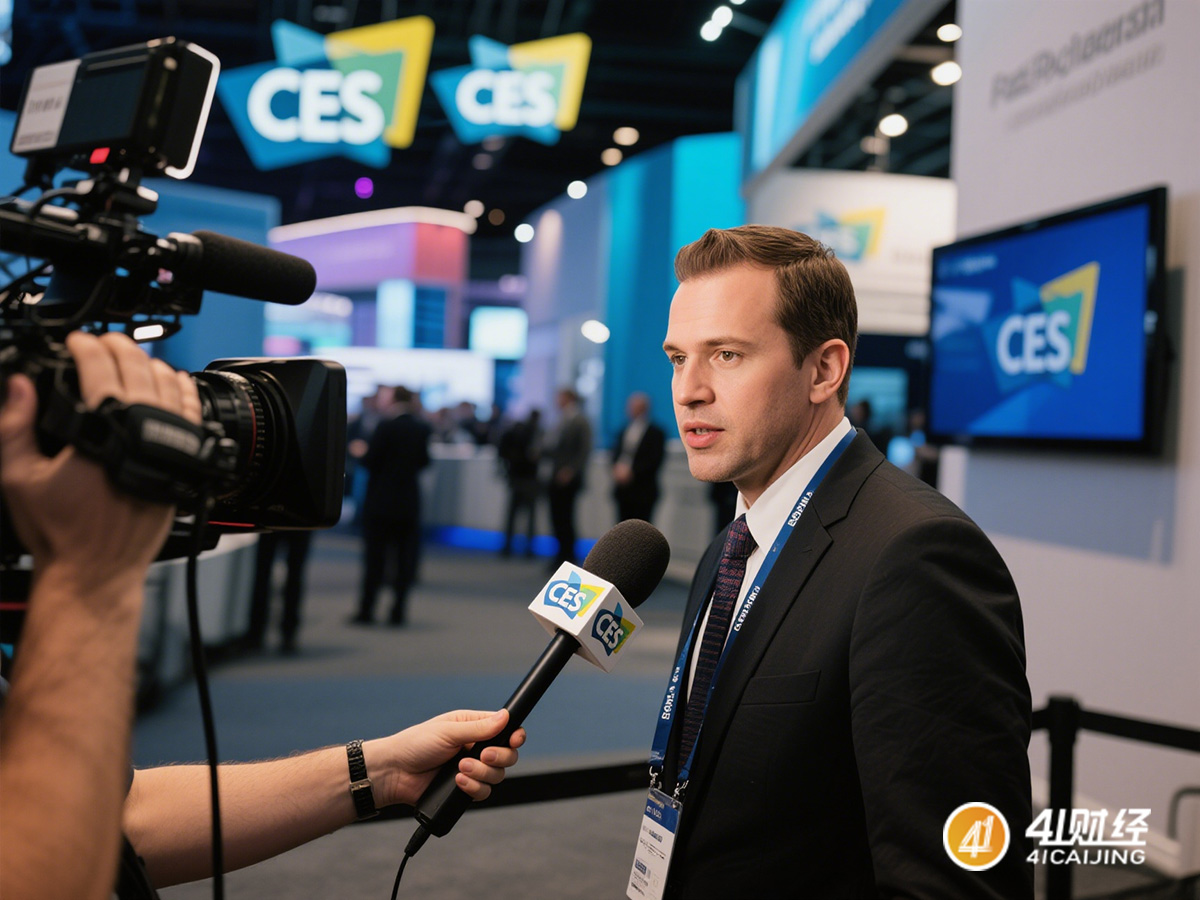
41caijing can help with media fit and pre-submit QA; tiers depend on the brief.
Ultimately, success in Miami’s PC games market in 2026 comes down to consistency and authority. Do not chase every trend; instead, focus on building a stable base of local citations and high-quality backlinks that survive algorithm updates. A strong local digital footprint reduces customer acquisition cost and builds trust with both users and the AI systems that increasingly mediate discovery.







Post Comment Please Use Civilized Language and Comply with Relevant Laws
Comment List