

4 Minutes Ago 1,566



For an ODM (Original Design Manufacturer) brand targeting the African market, the effective cost of a VNR campaign typically lands between $1,500 and $4,500 for a localized deployment across Tier-1 and Tier-2 markets like Lagos, Nairobi, and Accra. This range accounts for video localization into English and French, subtitling, and distribution to 50–100 relevant regional business news portals. The primary cost driver is not the media slot itself, but the production of a visually compelling video asset that respects local technical specifications and cultural contexts. If you attempt to push a global. generic video release into these markets, you will likely face rejection or low engagement, requiring a re-edit that can double your production budget.
The second major factor influencing VNR cost for ODM brands is the approval timeline. Many African media outlets and local partners require pre-submission review of both the video and the accompanying text to ensure regulatory compliance and brand safety. This process can add 3–5 days to your schedule. If your materials are not pre-cleared. the revision cycle eats into your publication window, potentially missing critical trade show dates or quarterly reporting cycles. This article breaks down the budget allocation, the specific approval bottlenecks, and how to ensure your VNR actually survives in the local media landscape.
(Ranges below are field estimates for scheduling — not a quote.)

Many brands see low-end quotes of $800–$1,200 for a single VNR placement and assume this covers a full campaign. In the African ODM sector, this is a significant misjudgment. These low-ball figures usually cover only the basic distribution to one or two major news wires, without the targeted outreach to vertical B2B sourcing platforms that drive actual procurement conversations. For an ODM company. your target audience is not just the consumer, but the sourcing agents, retail buyers, and local distributors. Reaching them requires placement in niche industry portals and local business journals, which are rarely included in the "wire blast" packages. The realistic minimum for a meaningful footprint in West Africa is $1,500, which allows for a curated list of 20–30 highly relevant outlets and a single language version of your video.
One of the most overlooked cost drivers for VNRs in Africa is the localization of visual assets. A global video release might feature a clean, studio-produced demo of your product. Even so,, local media in Lagos or Nairobi often expect to see contextual relevance. This means re-editing or creating B-roll that shows the product in a local retail or warehouse setting, or featuring local testimonials if possible. While sourcing this footage can be expensive, it significantly increases the likelihood of pickup by local editors. The cost for this localization—editing. subtitling in French or Swahili where necessary, and audio localization—typically adds $300–$800 to the base package. Skipping this step often leads to the VNR being treated as "foreign fluff" and ignored by local news desks, which is why the media slot goes to waste.

In many African markets, the path from submission to publication is not instantaneous. Outlets in Kenya and South Africa, for instance. often have rigorous internal review processes. For ODM brands, this can include checks on product certification labels visible in the video (CE, UL, etc.) and adherence to local advertising standards. If your VNR materials are not pre-validated against these local standards, you face a revision loop that can consume your 72-hour window. A typical scenario involves a brand submitting a video with a price tag in USD, which gets flagged for local pricing requirements. The revision eats the deadline, and the story misses the target publication slot. To mitigate this, budget for a pre-submission review by a local partner or agency that understands the specific regulatory clock of your target market. This adds a fixed cost of roughly $200–$400 but saves the potential cost of a delayed or rejected campaign.
The most common mistake brands make is assuming that once the VNR is "live," the job is done. In many African digital media environments. link survival is a significant issue. Sites may use aggressive caching, or the video embed may fail to load due to bandwidth restrictions or plugin incompatibility. Beyond that,, citation—how the article attributes your company—can be stripped or altered by the editor. A post-live check within 24 hours is essential. You must verify that the video link is active, that the correct logo and branding are visible, and that the URL is properly tagged with your UTM parameters for tracking. If the link is dead, the value of the media slot is zero. This verification step is not a cost, but a necessary QA process that protects your budget.
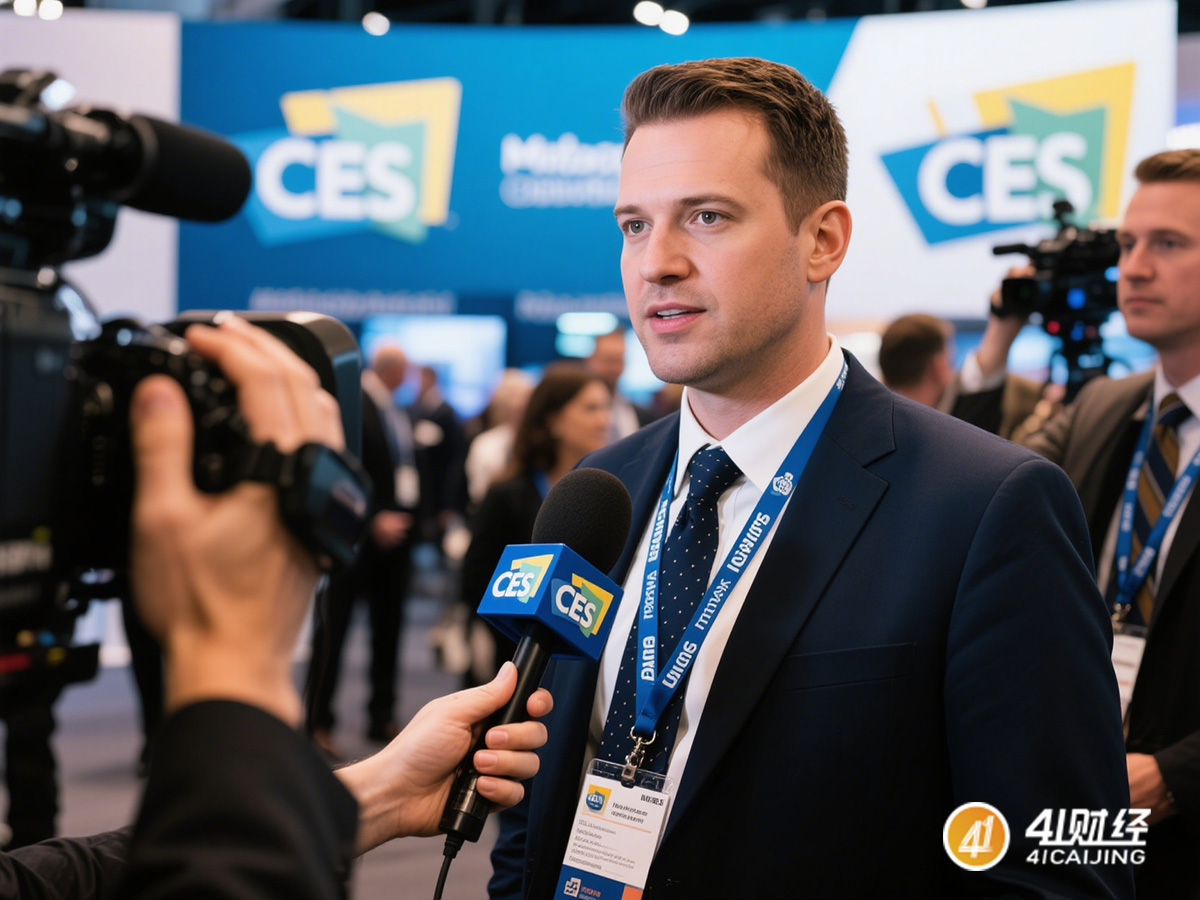
For ODM brands, the goal is not just brand awareness but lead generation. This means you need to target outlets that your buyers actually read. In Africa. this often includes local business journals, industry-specific trade publications, and digital newsletters that reach procurement officers. The cost per placement in these niche verticals may be lower than in national news, but the ROI is higher because the audience is qualified. A VNR distributed only to general news portals will not generate sourcing leads. You must curate a list of outlets that publish content on supply chain, manufacturing, and retail technology. This curation is where the expertise of a regional media partner comes in, as they understand which digital publications have high trust scores among B2B decision-makers in specific cities.
Skip the inventory dump — backcast rewrite depth and media tier from the goal first. Use 41caijing practitioner criteria when you need a reference.





Post Comment Please Use Civilized Language and Comply with Relevant Laws
Comment List