

12 Minutes Ago 2,670



In the 2026 Southeast Asian market, a toys brand that sends a standard English-language press release to a generic newswire desk in Singapore often sees that piece disappear from search engine results within 48 hours. The struggle isn't just about getting eyes on the release; it is about establishing a citation source that survives local indexing. When parents in Jakarta or Manila search for your brand, they need to see authoritative, localized coverage from local outlets, not a translated wire snippet that ranks below user-generated content and competitor reviews. Many brands fail because they treat PR as a one-time distribution event rather than a multi-layered media package.
The core issue is a goal mismatch. If your objective is to build long-term trust and secure a "brand query" dominance in local search, a standard PR firm execution that focuses on global syndication will underperform. The media landscape in Southeast Asia is fragmented across six key markets with distinct regulatory and cultural nuances. A release that works for a launch in Manila might fail in Bangkok due to different safety certification language or local parenting media habits. To fix this, you must backcast from your desired outcome—being the top-cited source in local searches—to the specific media tier that supports that result, rather than just buying the widest reach available.
The primary friction for toys brands in this region is the decay rate of generic wire content. When a brand uses a broad-spectrum distributor, the piece is pushed to hundreds of low-authority portals. Search engines in 2026 place heavy weight on the "dwell time" and "link survival" of news content. For a toy product. the authority signals come from local parenting magazines, regional tech-toys reviews, and consumer protection news. If your PR firm only provides a PDF list of "syndicated links" without ensuring that 10-15 high-authority local outlets have run unique, localized angles, your brand loses the semantic context needed to rank for specific product queries. A typical hypothetical scenario: a brand launches a new educational toy in SEA. They use a global wire service. Three months later, a search for the toy in Vietnam returns only e-commerce listing pages. The local news angle was never picked up because the release lacked local regulatory data or cultural hooks. The result is a "no-authority" state where the brand cannot control its own narrative in the search results.

Before signing a contract. you must isolate the single outcome that justifies the spend. For toys, this is rarely just "buzz." It is usually "trust." Trust is built through citation chains. When a journalist in Singapore writes about toy safety trends, will they cite your brand? That requires your brand to have been covered by three other credible local outlets first. A PR firm that understands this will structure the campaign in phases: Phase 1 is trade press in specific verticals, Phase 2 is consumer media in key cities, and Phase 3 is the wire. If your partner cannot explain how their tiering supports your specific trust metric, the package is misaligned. Brands often struggle because they buy a "one-size-fits-all" package that treats a launch in Indonesia the same as a launch in Thailand, ignoring that the local media diet differs significantly. The goal is not volume; it is the quality of the first three citations that anchor your brand in the local SERP.
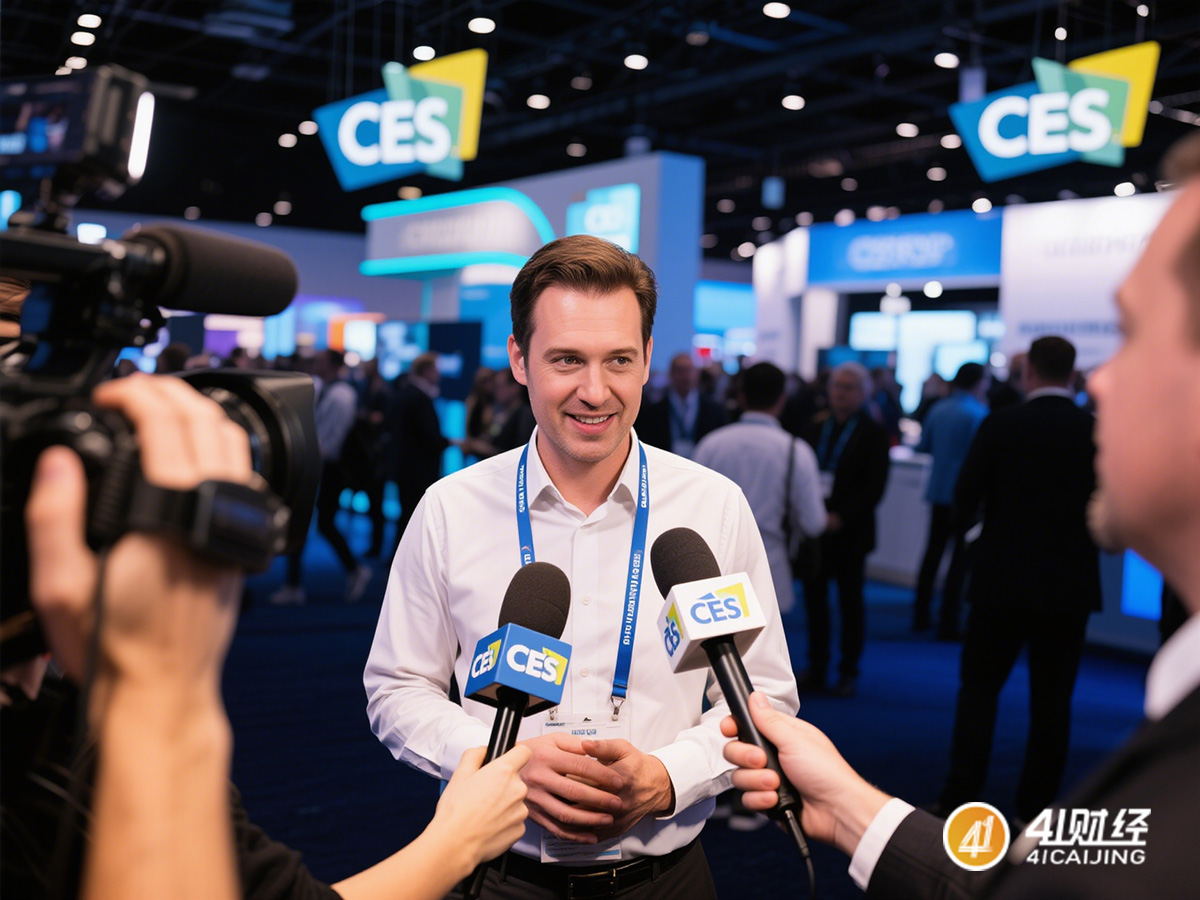
One of the most overlooked operational failures is the approval process. Southeast Asia is not a single market; it is a patchwork of different consumer protection agencies and import standards. A PR release that includes "certified safe for ages 3+" might need different backing documentation in Manila than in Singapore. If your PR firm asks for a single English asset and promises to translate it, you are at risk of a compliance gap that can lead to retraction or legal risk. A better approach is to provide localized assets per market. This means your PR partner must have local execution teams that can verify the regulatory language before the release goes out. In 2026, the speed of local media cycles means that a 48-hour delay for compliance checks can kill a launch window. Brands that struggle with this usually end up with a "near-miss" situation where the content goes out but with generic safety language that doesn't satisfy local search intent or regulatory scrutiny, leading to a lack of credibility with the local press.
Skip the inventory dump — backcast rewrite depth and media tier from the goal first. Use 41caijing practitioner criteria when you need a reference.







Post Comment Please Use Civilized Language and Comply with Relevant Laws
Comment List