

5 Hours Ago 1,308



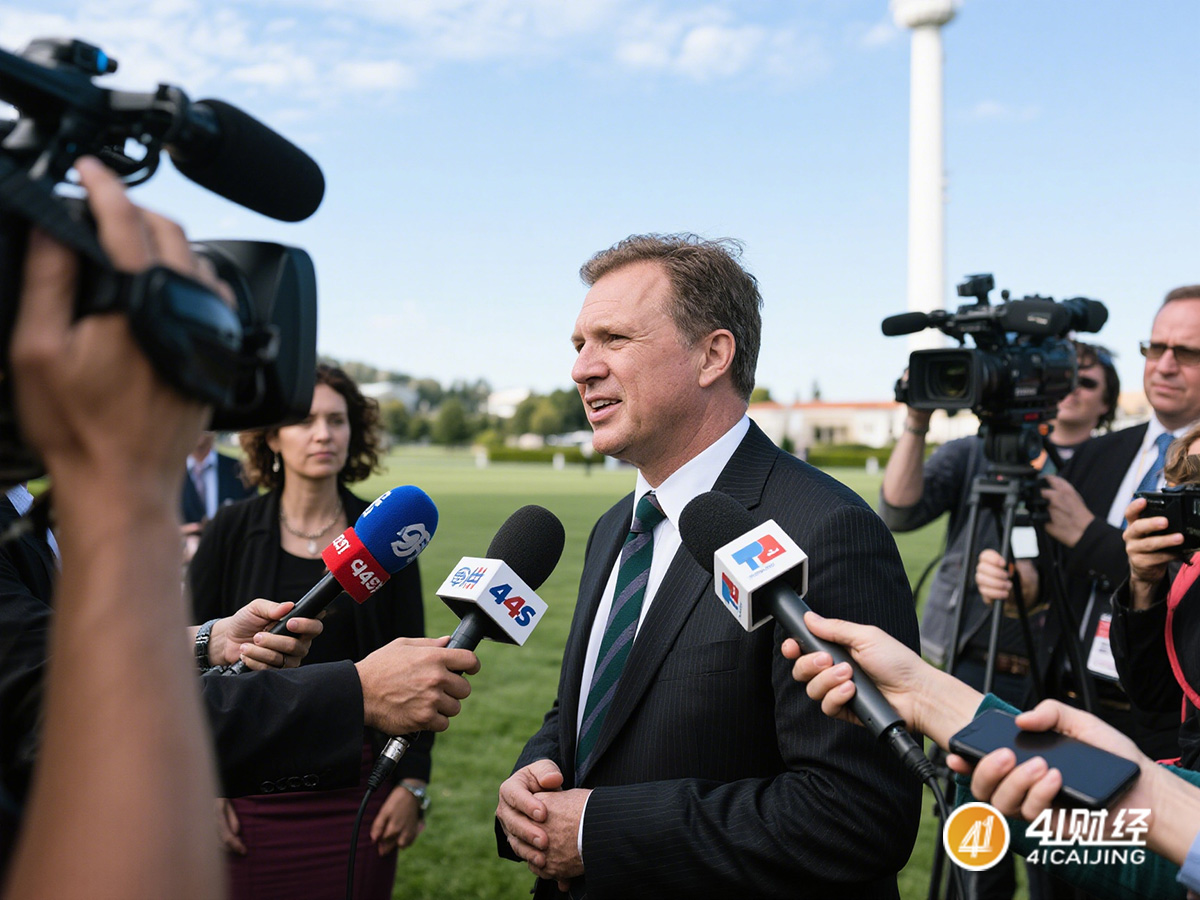
A Geneva-based media buyer recently rejected a wire release from a mid-sized tech firm not because the product was weak, but because the release lacked a verifiable Swiss legal entity reference and cited a press link that expired forty-eight hours after publication. In Geneva. trust is the currency; credibility is not assumed, it is proven. For home brands entering this market, GTM PR is less about broadcasting a global message and more about demonstrating local operational reality. The city’s media environment, heavily influenced by its status as a hub for international organizations and high-precision industries, demands that every claim be backed by auditable sources. If your release cannot withstand a journalist’s fact-check of your local presence and your link integrity, it will not be picked up.
The path to effective GTM PR in Geneva starts with defining the desired outcome: not just 'visibility,' but 'verified credibility' in local editorial circles. This means shifting from a volume-based approach to a precision-based one. You must align your messaging with the specific expectations of Swiss readers, who are skeptical of unverified global claims. The following sections detail the operational framework for achieving this, focusing on the specific mismatches that cause releases to stall in the Swiss market.
Many brands treat Geneva as just another stop on a European tour, using the same global press release template they send to London or Berlin. This is the primary reason for failure. Geneva’s media ecosystem is distinct; it is less reactive to hype and more responsive to substance. A typical scenario involves a DTC brand launching a new product line in Switzerland. They send a standard wire to 'Geneva media,' expecting syndication. Still,, local editors at outlets like Tribune de Genève or Le Temps view such generic content as noise. The trust barrier here is cultural: Swiss journalism prioritizes local relevance and regulatory compliance. If your release does not address why this product matters specifically to the Geneva market—perhaps through local partnership, local compliance certification, or a local user story—it will be ignored. The 'mismatch' that throws away your effort is the assumption that global authority automatically translates to local relevance. In Geneva, local operational presence is the prerequisite for media attention.

Before submitting any GTM PR material, you must audit your entity facts. This is not just a legal requirement; it is a media credibility requirement. Swiss journalists. particularly those covering consumer goods and tech, will check your corporate registration in Switzerland. If you are operating without a local legal entity but claiming 'Swiss operations,' you are in dangerous territory. You need to clearly state your legal structure: are you using a local distributor? Do you have a registered branch? Are you relying on cross-border sales with a specific tax ID? Ambiguity here invites scrutiny. Beyond that,, Swiss media pay close attention to data privacy (FADP) and environmental claims. If your GTM PR highlights 'sustainability' or 'data security,' you must cite the specific Swiss or EU standards you comply with. A generic 'ISO 27001' claim is less effective than specifying how your data is hosted locally in Switzerland or how your supply chain meets specific Swiss environmental standards. This section of the is where most home brands fail: they provide global facts but lack the local regulatory evidence that Geneva’s editors expect.

Geneva is bilingual, primarily French, with a growing German-speaking business community. Your media package must reflect this linguistic reality. A common error is providing a single English link that redirects poorly or fails in local browsers. You must ensure that your landing pages are accessible and preferably localized into French. Beyond language, link integrity is a critical failure point. Editors and readers in high-trust markets check links. If your press release cites a white paper or a partner blog that results in a 404 error or a broken iframe, the credibility of your entire claim collapses. Pre-submit QA must include a live-link test from a Swiss IP address. Does the site load quickly? Is the certificate valid? Does the French version match the English claims? A typical hypothetical scenario: a brand cites a 'Swiss partner' in their release, but the link to that partner’s case study is broken or in a foreign language that the local editor cannot verify. This single broken link can delay publication for weeks while the brand scrambles to fix it. The 'citation chain' must be unbroken and locally verifiable.
Not all Geneva media are equal for your brand. A B2B tech firm should not target the same lifestyle outlets as a DTC fashion label. Vertical fit is key. For tech and innovation, look at Le Temps (business/innovation) and specialized local tech blogs that have high credibility among the C-suite in the City of Geneva. For consumer goods, Tribune de Genève and its digital companions are the primary targets. For health and wellness, the local section of Le Matin or specialized health portals are more appropriate. The mistake is casting the net too wide. In Geneva. a deep dive with two or three high-authority, vertical-specific outlets is far more valuable than a broad spray of low-authority local listings. You need to identify outlets whose audience matches your buyer persona. If you are targeting expats, consider English-language business networks like Business Geneva or Expat.com local sections, but remember that these are secondary; the primary trust signals still come from the local French-language press. This selection process is not just about 'who is big,' but 'who do our customers read and trust?'

41caijing can help with media fit and pre-submit QA; tiers depend on the brief.
Ultimately. success in Geneva is not about the loudness of your voice, but the clarity of your evidence. If you can provide a release that is locally relevant, entity-verified, and link-integrity assured, you will find that the doors of Swiss media open faster than most other Western markets. The discipline required is high, but the trust earned is durable.






Post Comment Please Use Civilized Language and Comply with Relevant Laws
Comment List