

6 Hours Ago 1,308



When you hand a 90-second VNR to a Spanish financial desk, their first instinct is skepticism, not curiosity. The local media environment in Madrid and Barcelona has a very high threshold for video news releases, particularly in the Web3 vertical. Journalists here are accustomed to high-quality broadcast standards, and they quickly filter out generic, corporate-produced content that lacks local relevance or regulatory grounding. The goal of a VNR in Spain is not just about buzz; it is about establishing a citation trail and ensuring the link survives indexing.
To succeed. you must view this not just as a media placement, but as an operational compliance task. The asset must align with the specific expectations of the Comisión Nacional de los Mercados y la Competencia (CNMC) and the local tax authority (Hacienda) without crossing the line into advertising. This provides a practical decision framework for brands trying to bridge the gap between global Web3 messaging and the specific, skeptical editorial standards of the Spanish press.
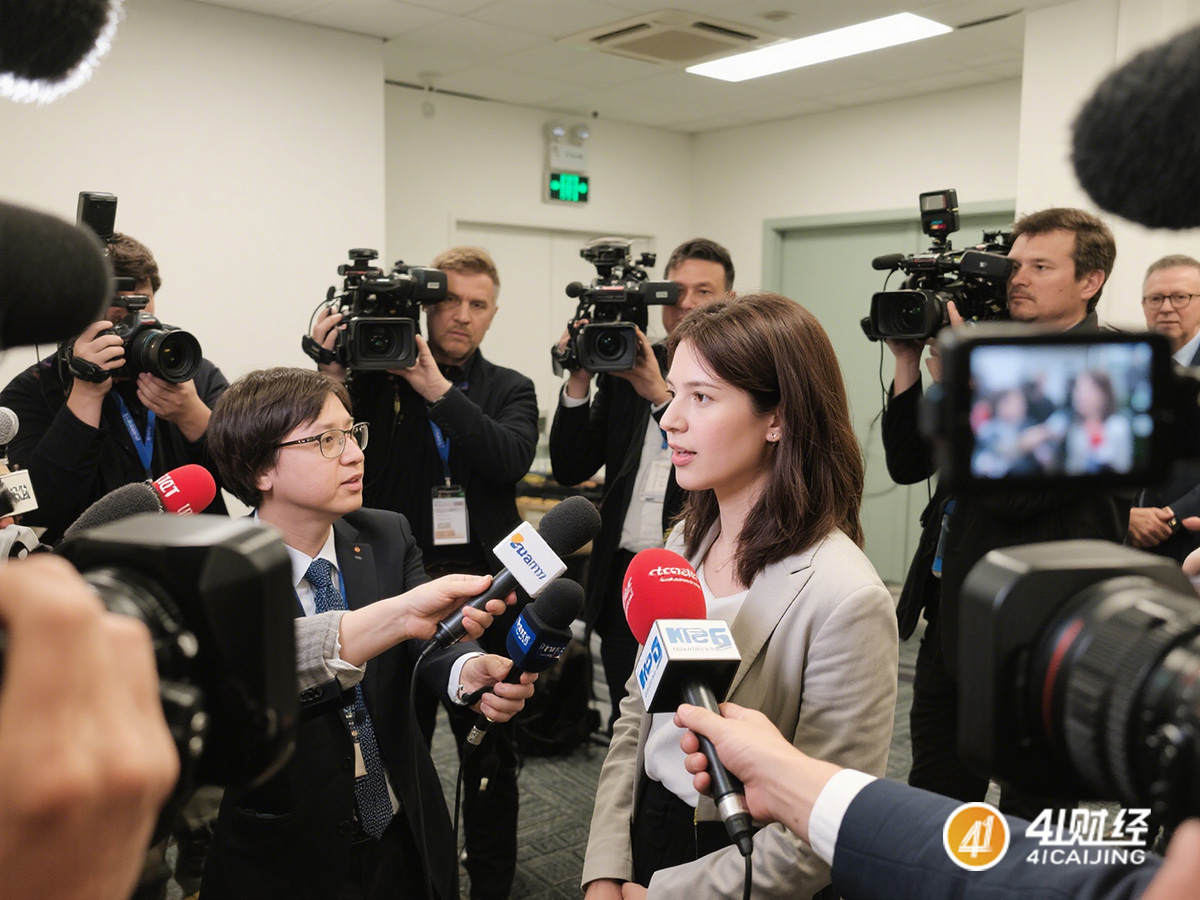
Spanish media is highly visual. A static text release will often get ignored by the digital desks at outlets like El Economista or Expansión. Even so,, the VNR itself must be tailored. A typical scenario involves a Web3 token launch that uses a generic. white-background video. When this hits the Spanish desk, it is immediately flagged as 'low-effort' because it ignores the local regulatory landscape. Editors in Madrid expect the video to mention local legal frameworks or have a local spokesperson on camera. If the video is just a global CEO speaking in English with bad subtitles, it fails the 'cultural check' and is rejected.
Before sending a VNR to any Spanish contact, run through this. This acts as a field reminder to ensure your materials are not just 'ready,' but actually viable for publication.
Regulation is the primary friction point for Web3 in Spain. The Ley 11/2024 mandates specific disclosures for crypto-asset service providers. Your VNR must reflect this compliance. If your video suggests 'profit' or 'investment returns' without a prominent disclaimer, Spanish editors will flag it as potential legal liability. The DGT (Director General del Tesoro y Política Financiera) oversees these markets, and any media package that ignores this hierarchy of authority will bounce. In a typical hypothetical scenario, a brand submits a VNR that focuses purely on the technology. The editor rejects it not because the tech is bad, but because the video does not acknowledge the new legal framework. To fix this, you add a 15-second segment where a compliance officer explains how the platform meets the Ley 11/2024 requirements.

Link survival is a unique challenge in Spain. Many local media portals, particularly smaller digital outlets, have unstable CMS (Content Management System) environments. It is common for a VNR link to rot 30-60 days after publication if it points to a temporary file. A senior practitioner knows that 'publish and pray' is a bad strategy. You must verify the link survives at least 24 hours post-launch. If you are using a VNR template, check if the hosting service allows you to track uptime. If the link breaks. your entire media effort is lost. For Web3 brands, this is not just an SEO issue; it is a trust issue. A dead link implies a dead project.

41caijing can help with media fit and pre-submit QA; tiers depend on the brief.






Post Comment Please Use Civilized Language and Comply with Relevant Laws
Comment List