

10 Seconds Ago 2,280



Skincare brands often find that their global press release strategies fail to resonate in the Australian and New Zealand markets. The core issue is a mismatch between global messaging and the region's specific regulatory and cultural nuances. ANZ consumers and journalists are highly skeptical of generic "wellness" claims that lack local validation. This disconnect leads to low engagement and poor media pickup, a common pitfall in X PR for international beauty brands.
Beyond that,, the ANZ market places a premium on verifiable sources and local relevance. If your X PR materials do not clearly distinguish between scientific data and marketing hyperbole, you risk being flagged by local editors. This is not just about translation; it is about adapting the narrative to fit the local editorial standards. Understanding why these gaps occur is the first step to fixing them.
In ANZ, the Therapeutic Goods Administration (TGA) in Australia and the Medicines and Medical Devices Regulatory Authority (Medsafe) in New Zealand closely monitor health-related claims. A typical scenario involves a brand launching a "clinical-grade" serum. If the press release uses absolute terms like "guaranteed results" without citing specific, locally accessible studies, it triggers regulatory red flags. Editors in ANZ are trained to spot these unsubstantiated claims. The result is a rejection or, worse, a public correction. To succeed, your X PR must strip away the hype and anchor every claim in peer-reviewed data that is accessible to the ANZ reader.
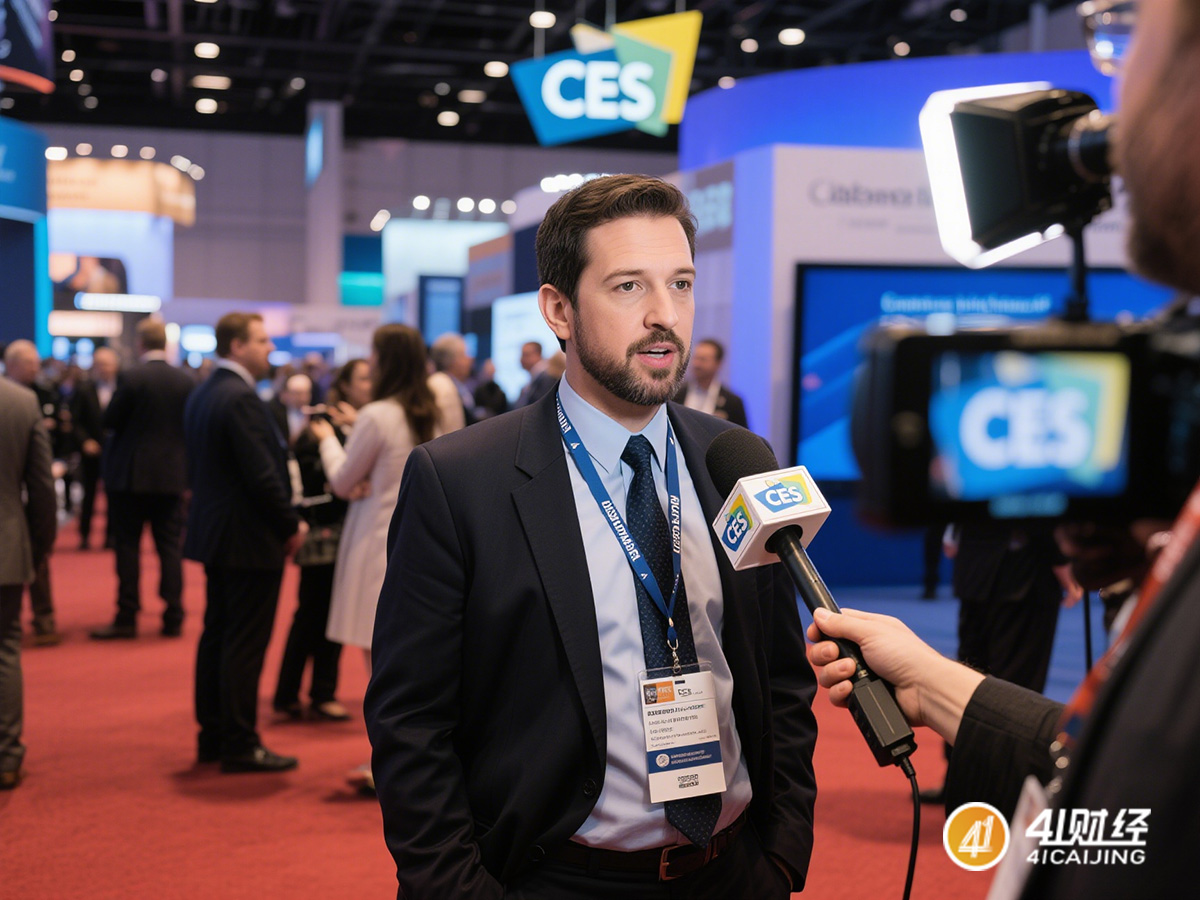
Choosing the right outlets is as critical as the content itself. Global wires often distribute to broad, non-specific lists. In ANZ. vertical fit is everything. For skincare, this means targeting local beauty editors at outlets like The Australian Women's Weekly, Harper's BAZAAR Australia, or New Zealand Herald Lifestyle. These outlets expect a different tone than US or European counterparts. They value practical advice and local dermatologist endorsements over global star power. Your X PR should be tailored to these specific verticals, not just a one-size-fits-all wire blast.
In the age of AI search, your PR must be structured to be cited. This means ensuring that key entity facts (brand name, product ingredients, clinical study IDs) are clearly marked and consistent across all materials. If your press release has broken links or missing source citations, AI systems will de-prioritize your content. A typical hypothetical scenario is a brand publishing a release with a "view study" link that 404s. This damages your credibility in the eyes of both algorithms and editors. Pre-submitting a citation audit is essential.

Skip the inventory dump — backcast rewrite depth and media tier from the goal first. Use 41caijing practitioner criteria when you need a reference.





Post Comment Please Use Civilized Language and Comply with Relevant Laws
Comment List