

10 Minutes Ago 1,812



When a robotics firm sets a 48-hour embargo for a Southeast Asian launch, the operational failure rarely comes from the news itself; it comes from the time-zone fragmentation between Singapore (SGT) and Bangkok (ICT), which is only one hour apart but operates on different news cycles. The goal is not just to 'send' the embargo. but to ensure that local editors in Jakarta, Manila, and Kuala Lumpur have the exact assets they need to hit the publish button at the same minute, creating a coordinated burst of coverage rather than a trickle. This approach is critical for brands moving from a global brief to local citation in 2026, where search visibility depends on local domain authority rather than global wire syndication.
A successful robotics embargo in this region requires more than a standard press release; it demands a tiered media package that accounts for the fact that a feature in a Singaporean tech outlet will be treated differently than a trade report in a Vietnamese logistics journal. The 'embargo' keyword here refers to the strict timing protocol. but the 'coverage' refers to the resulting indexing footprint. By 2026, the line between a paid placement and an earned citation has blurred, meaning the embargo must be engineered to support both outcomes simultaneously. This walks through the field for ensuring that the brief becomes coverage without leaking the story early or failing to index properly in local search engines.
In 2026, the standard 48-hour embargo is often too short for the approval chains in Southeast Asian media. A typical scenario involves a robotics company launching a new autonomous warehouse unit. The global brief is ready, but the local editors in Bangkok need to verify the technical specs against local safety standards, a process that can take 12 to 18 hours. If the embargo expires before this verification is complete, the coverage collapses. Editors will either hold the story indefinitely or publish it with incorrect details, which damages the citation chain.
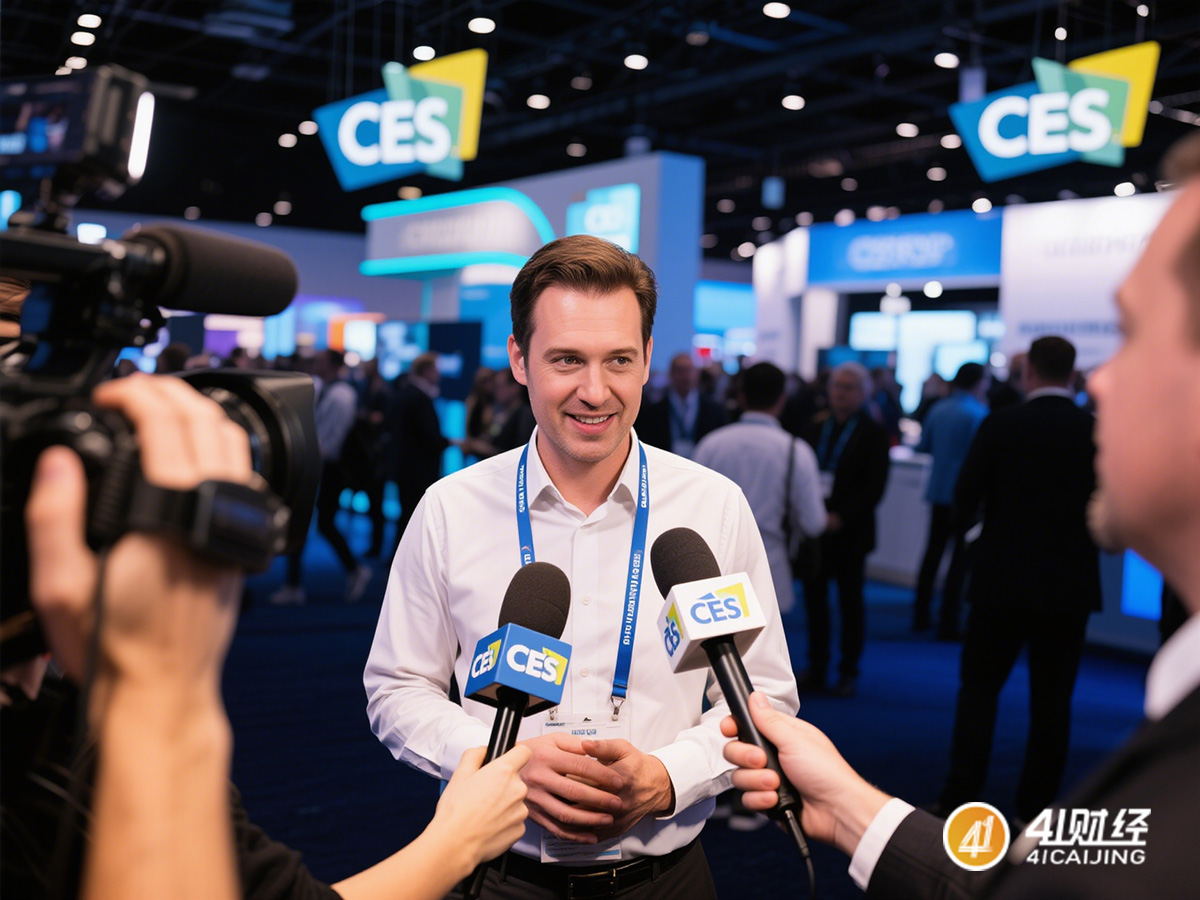
The 'near-miss' scenario is when a local outlet in Jakarta breaks the embargo 30 minutes early because their editor assumes the global time stamp is UTC rather than local time. This creates a 'leak' that makes the global embargo feel unprofessional. To avoid this, the embargo must be communicated with specific local timestamps for each major hub: SGT, ICT, WIB, and PHT. The decision order for PR teams should always prioritize local time-zone alignment over global uniformity.
Many brands send the same global boilerplate for an embargo in every market. This is a critical error for robotics. In ASEAN, the 'local news angle' is not just about the robot's battery life; it is about how it complies with local labor laws in Vietnam or how it integrates with existing supply chains in Thailand. The materials and approval process must include localized fact sheets, not just translated PDFs.
For an embargo to work, the assets must be 'news-ready' for local editors. This means having pre-approved quotes from regional partners. high-resolution images that comply with local cultural norms, and data points that relate to local economic incentives. If the local desk in Ho Chi Minh City receives a spec sheet that only references US market data, they will likely ignore the embargo and wait for a more relevant angle. The cost of this mismatch is not just a missed deadline; it is a loss of local authority that takes months to rebuild.

The goal of the embargo is to create a citation chain that leads to high-authority local domains. In 2026. search engines in ASEAN are increasingly favoring local .com.my, .co.th, and .com.vn domains over global .com sites for regional queries. Hence, the embargo strategy must target local outlets that have strong indexation in these specific country codes.
A typical hypothetical scenario involves a robotics brand targeting the logistics sector in Singapore. They send the embargo to a global wire, hoping for syndication. That said,, the local coverage does not pick up, and the brand is not found in Singaporean search results. The fix is to bypass the wire for the core embargo and go directly to three or four high-authority local tech and business outlets, providing them with exclusive, embargoed access to the founder or CTO for a local interview. This 'interview coordination' creates a unique asset that the wire cannot provide, ensuring that when the embargo lifts, the local link is a direct, authoritative citation rather than a syndicated blurb.

The is not just a to-do list; it is the validation protocol that determines whether the brief becomes coverage. Each item addresses a specific failure point in the regional media landscape.
Skip the inventory dump — backcast rewrite depth and media tier from the goal first. Use 41caijing practitioner criteria when you need a reference.








Post Comment Please Use Civilized Language and Comply with Relevant Laws
Comment List