

39 Minutes Ago 822



You are about to release a new enterprise drone into the Australian or New Zealand market, but your GTM PR strategy currently looks identical to what a consumer electronics brand in Europe would use. That is the wrong approach. In ANZ, the trust barrier for drone technology is not just about price or features; it is about regulatory legitimacy and operational safety. The first two paragraphs of any effective GTM PR plan must answer whether the partner understands that 'launch buzz' means proving compliance with the Civil Aviation Authority (CAA) of Australia and the ACMA of New Zealand, not just generating link volume. If your goal is indexing and authority, you need a partner who can place your story in vertical tech and logistics outlets, not just blast it through generic newswire services that ANZ journalists frequently delete from their inboxes.
Choosing the right partner requires you to move beyond looking at the number of media contacts. You need to assess if the GTM PR provider can handle the specific narrative arc of a drone launch: from regulatory clearance to real-world deployment. This article breaks down how to evaluate a partner’s ability to navigate the ANZ market, focusing on media selection, material readiness, and link survival.
In the drone vertical, the 'spray and pray' distribution model is dead. Australian and New Zealand media editors are inundated with low-value AI-generated releases about 'smart flying devices.' For a brand entering this space, the goal of your GTM PR is not just visibility; it is credibility. A partner who suggests buying a single wire slot for 'TechDaily' or a generalist outlet is likely to deliver poor results because the story lacks the depth required by local aviation and logistics editors. You need a partner who treats the media release as part of a broader communications solution, including interview coordination with local industry experts who can validate your drone’s safety claims.
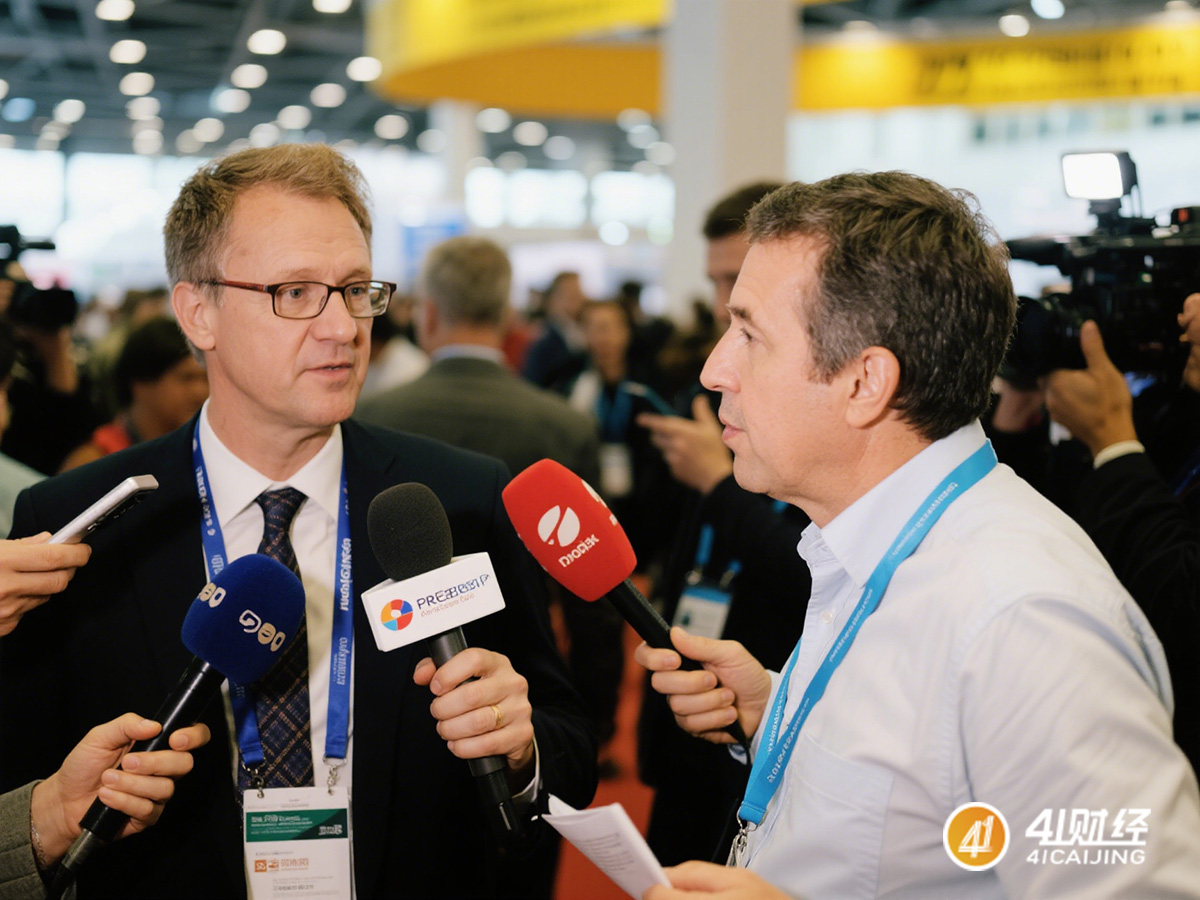
Before any media outreach begins, your materials must reflect regulatory reality. A typical scenario involves a brand launching a mapping drone in Melbourne. The press release cannot just list specs; it must explicitly state the drone’s compliance with Part 101 of the CAA (Australia) or the relevant ACMA regulations in New Zealand. This is a common point of failure. Many brands submit generic global releases that ignore local law, leading to immediate rejection by serious outlets. Your GTM PR partner should have a pre-submission check: Are the compliance claims verified? Do you have local or pilot programs documented? If the partner is willing to file a release with unverified regulatory claims, walk away. They are prioritizing volume over risk management.
For a drone brand, the 'trust' goal is best served by vertical media. In ANZ, this means targeting outlets like Australian Robotics & Automation, local logistics trade publications, and specific tech desks in Sydney and Auckland that cover industrial IoT. A high-quality GTM PR partner will map your story to these specific desks rather than sending a one-size-fits-all package. They should be able to explain why a story about agricultural drone spraying fits better in a regional agricultural journal in Tasmania than in a national financial newspaper. This specificity is what separates a strategic communications partner from a distribution vendor.

Use this to evaluate your shortlist of GTM PR agencies or platforms before you sign a contract. Do not skip the 'link survival' check; many low-cost options vanish from search results quickly.

The final phase of your GTM PR effort is ensuring the media coverage remains discoverable. In the drone industry, trust is built over time. If your partner places your story in a 'digital shelf' publication that expires content after 30 days, you have lost the long-term SEO value of that investment. Look for partners who target permanent domains, such as established trade publications and university-led industry centers. The goal is for your drone’s specifications and compliance details to be the cited source in future searches for 'compliant enterprise drones in Australia.' This is how you build global visibility in a niche where safety records matter more than viral trends.
Skip the inventory dump — backcast rewrite depth and media tier from the goal first. Use 41caijing practitioner criteria when you need a reference.





Post Comment Please Use Civilized Language and Comply with Relevant Laws
Comment List