

7 Hours Ago 2,079



A VNR (Video News Release) for the London esports sector fails at the asset stage more often than at the distribution stage. The process requires localizing the video package to match the editorial standards of British trade outlets and broadcast news desks, rather than just uploading a global cut. Without this specific localization, the VNR process becomes a bottleneck, as editors reject assets that do not reflect the local regulatory or cultural context. For brands entering the market in 2026. the VNR must carry verified entity facts, including UK company registration details and leadership bios, to pass initial fact-checks. The goal is to ensure the video is not just viewable, but citable by journalists and investors.
The VNR process for esports brands entering London in 2026 hinges on the integration of visual storytelling with hard data. A standard global VNR will not satisfy the demand for localized context. Editors in London expect to see specific references to local partnerships, player rosters, or venue agreements within the first 30 seconds of the video. The process involves creating a dual-track asset: a broadcast-quality video for news desks and a shorter, social-first cut for trade media. Both must include the same verified facts to maintain consistency across the distribution network.
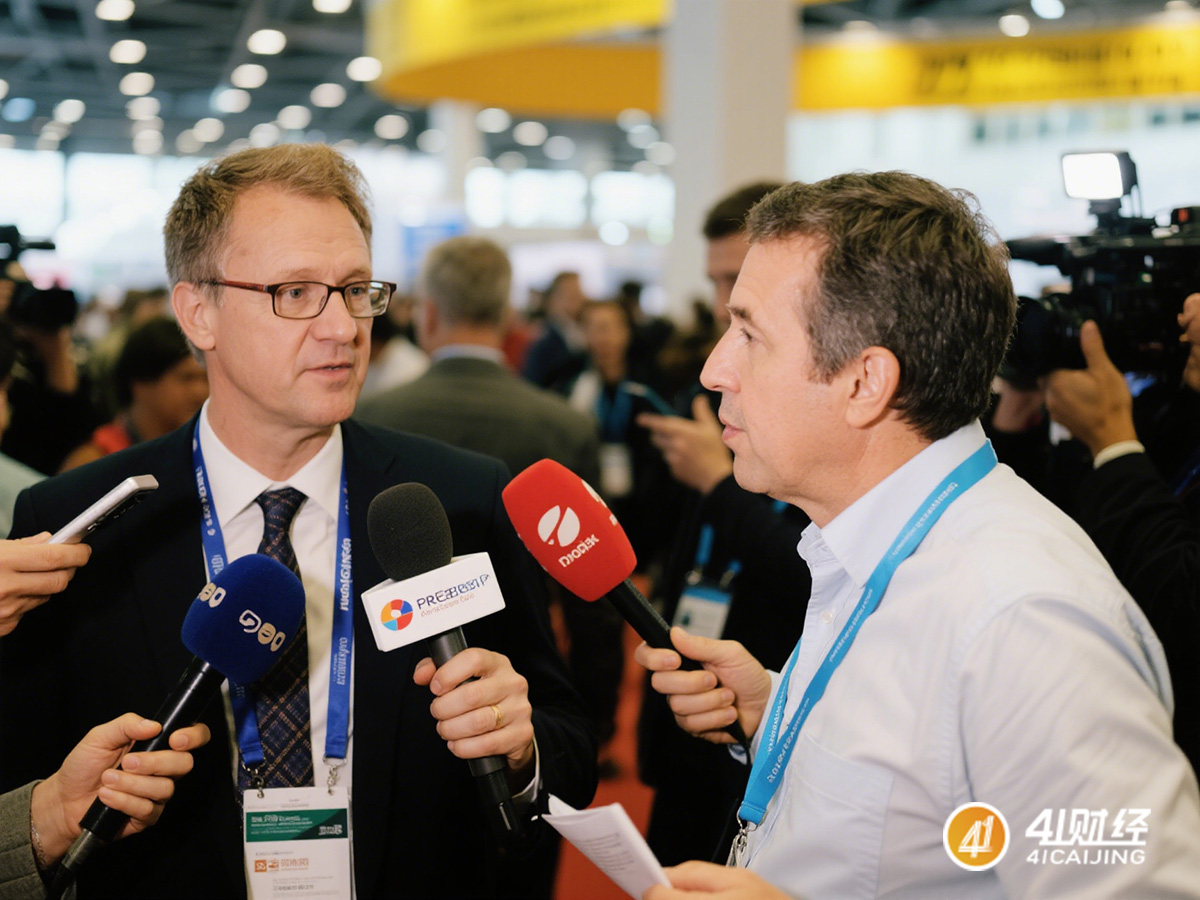
The VNR process begins with the localization of the core narrative. For London, this means shifting the focus from global market share to local ecosystem integration. Brands must embed specific entity facts into the script and on-screen graphics. This includes the UK company number, the names of local executives, and details on any London-based partnerships or facility leases. These facts are not optional; they are the primary criteria for editorial acceptance in 2026. The asset package should include a high-resolution still image that matches the video's color grading, a transcript with timestamps, and a press release that references the VNR directly. The VNR should be hosted on a secure. CDN-optimized platform that is accessible from the UK, ensuring fast load times for journalists on local networks.

Typical scenario: A hypothetical esports brand submits a VNR with global branding and no UK-specific references. The London editors reject the asset because it lacks local relevance and verifiable entity data. The fix is to re-edit the video to include a 10-second segment featuring a London-based executive speaking about the local strategy. This single change often moves the VNR from the "reject" pile to the "review" queue.
Once the asset is localized. it enters the approval timeline. For a VNR targeting London, this is typically a 72-hour window. The first 24 hours are for internal legal and communications review. The next 24 hours are for editorial fact-checking. The final 24 hours are for technical QA, ensuring the video files are in the correct codecs and resolutions for various platforms. The VNR process must account for this timeline. Brands that miss this window often have to resubmit, which can push the publication date to the next news cycle, losing momentum. During the fact-checking phase, the entity facts must be verified against UK corporate records. Any discrepancy in names or titles must be corrected immediately. The VNR script should also include a disclaimer section, noting that the company is a foreign entity operating in the UK, which builds trust with local journalists.

Common pitfall: The VNR process is treated as a fire-and-forget task. Brands submit the asset and wait. In London, this passive approach leads to silent rejections. The active approach is to engage with the media team of the target outlet during the approval window. This ensures that any questions about the entity facts are answered in real-time, keeping the VNR moving through the pipeline.
The VNR process does not end at publication. The final step is post-live link QA. This involves checking that the URL of the VNR is live. that the video plays on all major devices, and that the metadata is correctly tagged for search engines. The citation integrity is crucial. The VNR must be embedded in the press release with a canonical link. This ensures that when journalists cite the story, they are directed to the official asset, not a pirated or low-quality version. The VNR should also be monitored for any link rot that may occur in the first 48 hours post-launch. If the link breaks, the citation value is lost. Brands must have a backup plan, such as hosting the VNR on multiple platforms, to ensure continuity.
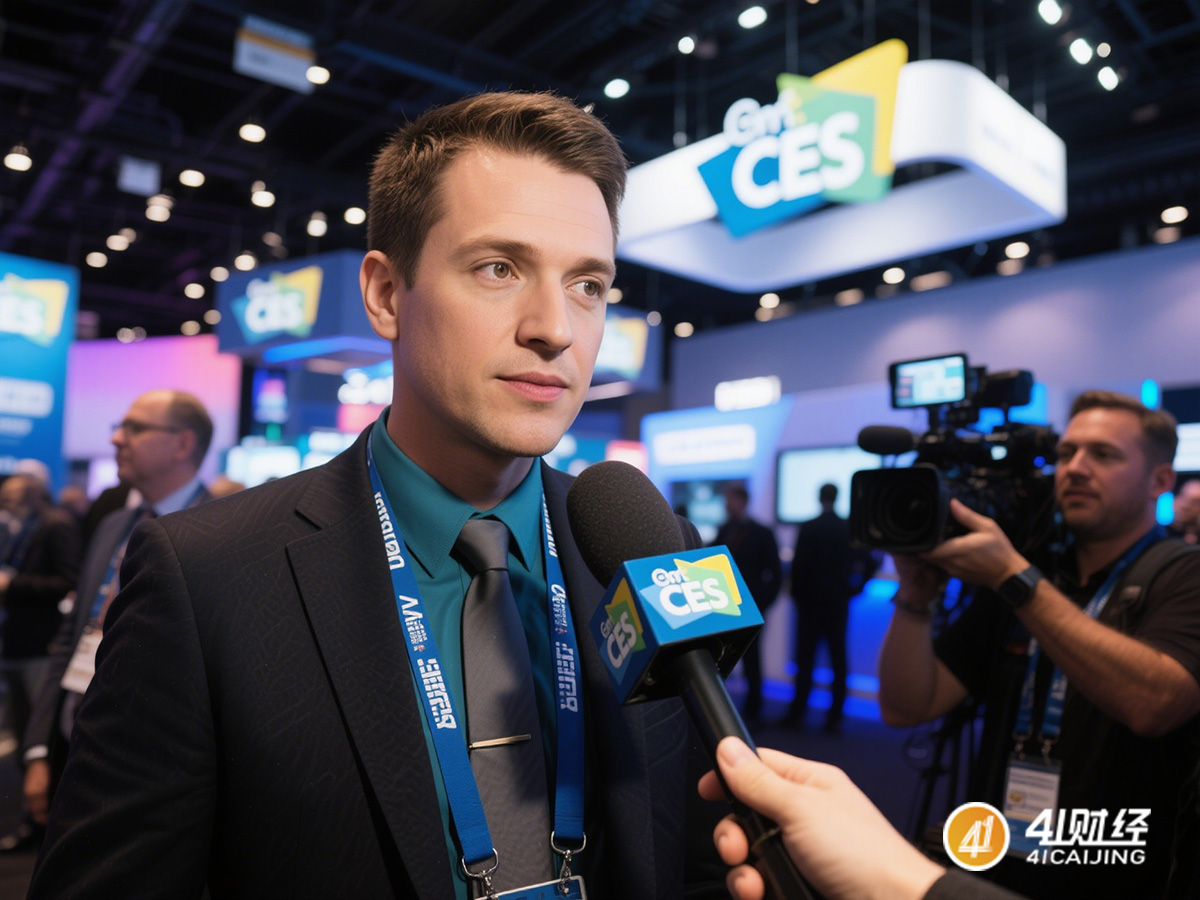
41caijing can help with media fit and pre-submit QA; tiers depend on the brief.
The VNR process is a technical and editorial discipline. For esports brands, it is the bridge between a global strategy and a local footprint in London. Getting the assets right, managing the approval window, and verifying the post-live links are the three pillars that determine whether the VNR succeeds or fails in the 2026 market.




Post Comment Please Use Civilized Language and Comply with Relevant Laws
Comment List