

5 Hours Ago 2,079



For a Series B fintech firm preparing to list in London and deploy in Milan, a roadshow is not merely a travel itinerary; it is a structured series of targeted engagements designed to validate liquidity, attract institutional interest. and secure local media validation. In the EMEA region, where regulatory landscapes like the EU’s PSD3 framework and the UK’s FCA requirements can vary significantly between markets, a poorly coordinated roadshow can result in fragmented brand perception and missed institutional opportunities. This translates the strategic necessity of an on-ground presence into a practical execution playbook for payments brands aiming to build global visibility without sacrificing operational efficiency.
The core challenge is not the lack of interest, but the operational friction of managing disparate local media relationships, translation quality, and regulatory approvals across multiple jurisdictions. A successful execution requires a frictionless blend of physical presence and distributed digital outreach. By treating the roadshow as an integrated communication campaign rather than a series of isolated investor meetings, brands can ensure that their narrative remains consistent whether they are pitching in Frankfurt or syndicating a release to Portuguese trade journals. This approach focuses on what the reader—whether a media editor or an institutional investor—needs to see to validate the brand's credibility in a new market.
When planning a multi-market EMEA roadshow. the sequence of stops dictates the narrative flow. Frankfurt, as the primary clearinghouse for European derivatives and a hub for major financial institutions, serves as a critical first stop for payments brands aiming to demonstrate institutional-grade reliability. The on-ground presence here is less about consumer awareness and more about establishing a dialogue with credit rating agencies, regional banking partners, and specialized financial journalists.
The conflict often arises when brands attempt to reuse a generic global pitch deck for local venues. To mitigate this, the roadshow materials must be localized to reflect specific EMEA compliance milestones. For instance. if the brand has achieved PSD2 or PSD3 compliance in the EU, this fact should be front and center in the Frankfurt sessions, as it directly addresses the primary concern of European institutional investors: regulatory risk. The physical setup—whether a private salon or a conference panel—must allow for Q&A sessions that probe into cross-border settlement latency and currency exchange mechanisms, topics that are highly scrutinized in the DACH region. By tailoring the messaging to these local anxieties, the brand transforms a standard roadshow into a credible demonstration of operational maturity.

Before a single flight is booked, the physical and digital assets that will travel with the roadshow team must be audited. This is where most execution plans fail: the materials do not meet the local legal or editorial standards of the destination. The following outlines the essential items for a multi-market EMEA rollout.
Missing any of these entity facts or compliance documents can derail a roadshow stop. A hypothetical scenario: a payments brand arrives in Rome with a US-centric pitch deck that omits EU data residency clauses. The local financial press, well-versed in GDPR enforcement, flags the omission, leading to a narrative of 'foreign non-compliance' that overshadows the product's technical merits. The materials must be airtight to protect the brand's credibility.
Once the physical logistics are set, the next step is the media outreach component of the roadshow. This is not about blasting out a global wire service release; it is about securing targeted placements in vertical-fit outlets that carry weight in the specific market. The pre-flight protocol requires a rigorous QA of the target media list.

This validation ensures that when the roadshow team is on the ground, the digital coverage is amplifying, not diluting, the physical presence. It creates a feedback loop where local media inquiries are handled with the same level of scrutiny as the investor meetings.
The roadshow does not end when the last flight lands. The post-event phase is where the brand's long-term authority is cemented. In the EMEA market. where regulatory changes can happen overnight, the ability to be cited as a source by local media is a key indicator of influence. Tracking this requires more than just a list of articles; it demands a deep analysis of citation sources and link survival.
Brands must monitor whether the media outlets that covered the roadshow continue to reference the brand in subsequent news cycles. If a local payments firm is mentioned in a follow-up story about EBA regulatory updates, it signals that the brand has successfully integrated into the local conversation. This citation chain is a powerful asset for future GTM initiatives, as it provides a 'local authority' badge that global competitors lack. To maintain this, brands should keep their media kits updated with the latest data points and press releases that they have produced, making it easy for local journalists to continue citing them as a reliable source.
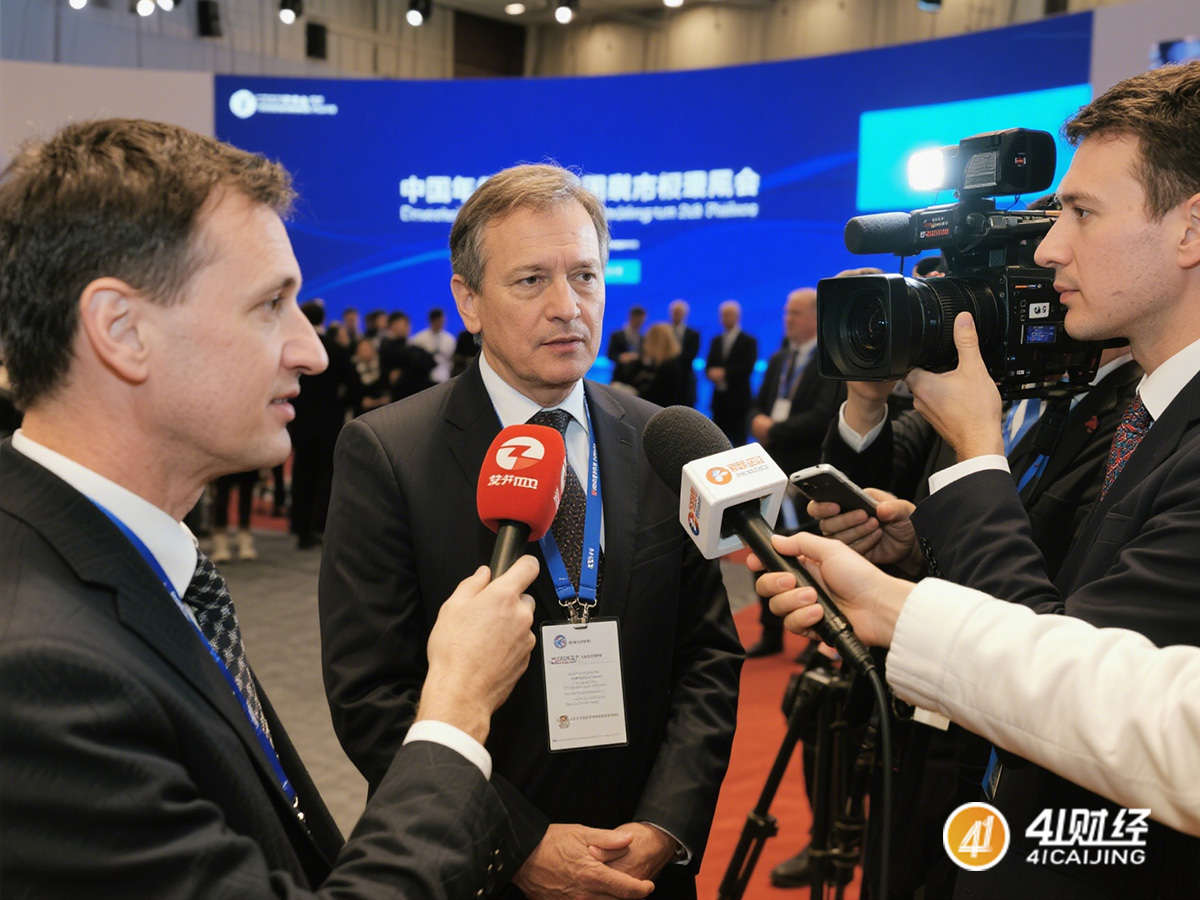
Managing the complexities of a multi-market roadshow in EMEA—handling translation, regulatory nuances, and local media relations—can be overwhelming for a single global team. This is where AI-powered PR and marketing agents come into play. By using platforms that bridge language and cultural gaps, brands can scale their outreach without sacrificing the localized touch required for high-stakes EMEA markets.
Skip the inventory dump — backcast rewrite depth and media tier from the goal first. Use 41caijing practitioner criteria when you need a reference.
In the end, the success of a roadshow is not measured by the number of cities visited, but by the depth of the local relationships forged. By executing the steps outlined here—aligning narratives with regulatory realities, meticulously checking materials, validating media outlets, and tracking post-event citations—a payments brand can transform a transient travel schedule into a durable asset that drives long-term global growth and market credibility.





Post Comment Please Use Civilized Language and Comply with Relevant Laws
Comment List