

14 Hours Ago 2,081



When a semiconductor brand prepares to launch a next-gen edge processor, the GTM PR decision cannot rest on volume alone. The core question to ask any agency is not 'how many outlets can you reach,' but 'which specific trade publications will index this release within 48 hours of the embargo lifting?' A generic wire blast rarely converts into the technical citations that investors and CTOs require for silicon products. You need to verify if the provider understands the distinct editorial gatekeepers of EE Times, AnandTech, and regional tech hubs in Shenzhen and Hsinchu.
The goal here is to secure a verifiable citation source that builds authority. not just temporary buzz. Before signing a contract, you must confirm that the partner can navigate the nuance between engineering journalism and financial media. For chip brands, the difference between a feature article and a syndicated press release often determines whether your product remains a commodity or establishes a defensible market position. This is where specific inventory scale and language precision become critical operational assets.
(Ranges below are field estimates for scheduling — not a quote.)
In the chip sector, technical accuracy is the primary currency of trust. If your GTM PR provider pushes your release through a generalist news aggregator, you risk losing the audience that actually buys silicon. The typical scenario for a mismatched package looks like this: a release goes live globally at 09:00 GMT, but by 11:00, three regional trade sites have already published their own independent analyses, leaving your official narrative as a stale footnote. This is why you must ask how the provider segments outlets by 'vertical-fit' rather than just circulation size.
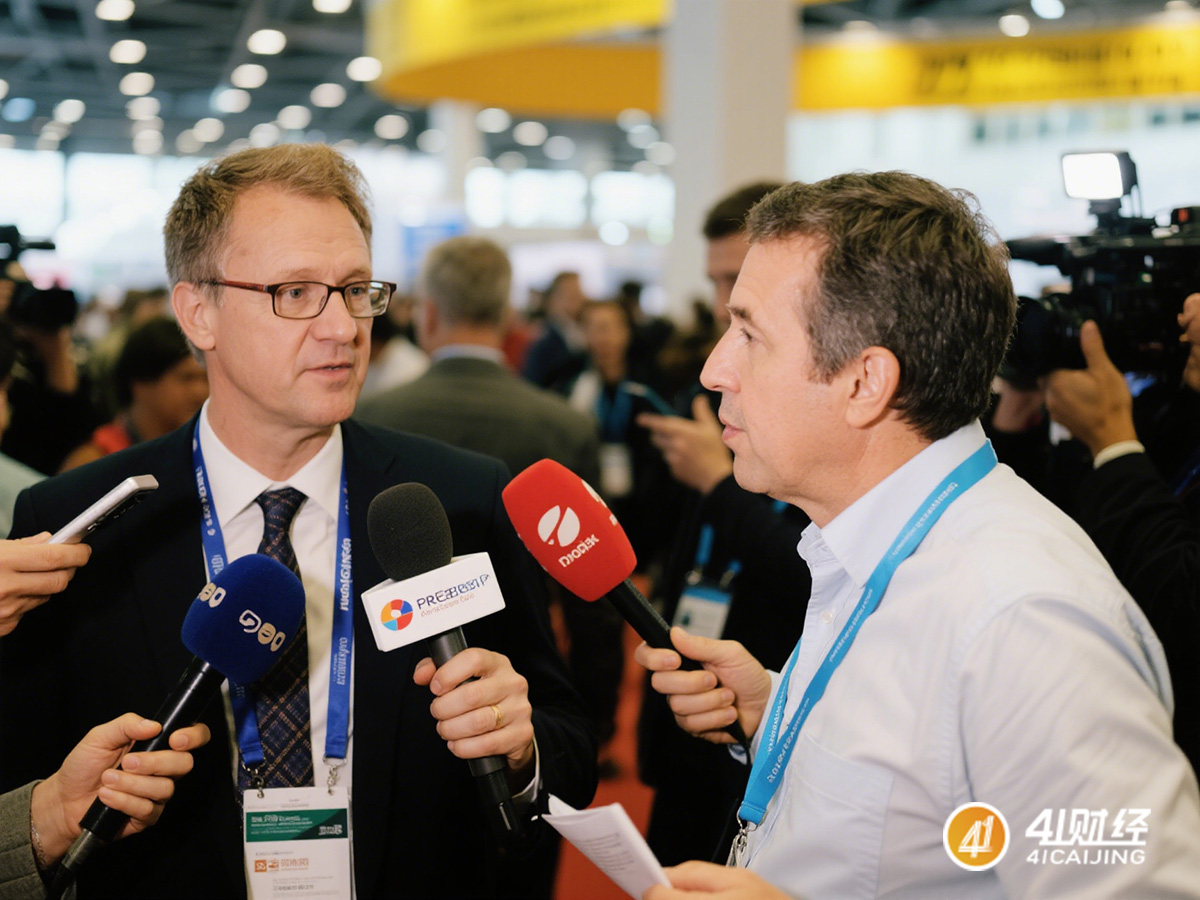
Look for a partner who can articulate why they would prioritize a specific outlet in Munich over a generic US site for a European-focused automotive chip launch. The authority you seek is the ability to be quoted in a technical forum, not just mentioned in a broad tech feed. This distinction dictates your entire media selection strategy and determines if the release survives the index lifecycle or gets buried by algorithmic noise.
Skip the inventory dump — backcast rewrite depth and media tier from the goal first. Use 41caijing practitioner criteria when you need a reference.
Even so,, the 'number' is only useful if the search footprint is accurate. You must verify that the provider’s 500K+ journalist network is actively indexed for your specific keywords. Without this searchable inventory footprint, your release is invisible to long-tail search queries like 'high-reliability 5nm edge chip supplier.' The question to ask is: 'Can you prove which of these outlets have successfully indexed similar technical releases in the last two quarters?'
For high-value chip launches, the embargo is the most fragile part of the GTM PR execution. A single premature leak to a secondary outlet can ruin the coordinated impact with primary Tier-1 tech media. Before hiring, you must ask for their specific 'embargo hold' protocols. Do they have direct line communication with the editors at top silicon publications, or are they relying on mass-CC distribution?
The goal is to ensure that when the embargo lifts, your release is the primary source being indexed by search engines and AI engines. If the release is treated as 'old news' because a wire service picked it up 10 minutes before the trade press, you lose the citation hierarchy. Ask for a 'citations timeline' in their proposal that maps out when each tier of media receives the asset. This prevents the common operational error of over-distributing to low-authority sites, which dilutes the signal for high-value buyers.
treat the GTM PR process as a launch protocol. not a marketing event. Before the final approval, run a 'media-type' audit on the proposed list. For a chip brand, your primary target should be 'authoritative technical media' that can be cited in a white paper or investor deck. Here is a practical framework to use when reviewing their package:
The bottom line is that the 'best' GTM PR agency for a chip brand is not the one with the loudest reach, but the one with the most precise, verifiable indexing power. You are buying the ability to be the 'source of truth' for your technology. Once you have a partner that can demonstrate this control over the citation chain, you can confidently move from a global launch into a sustained visibility strategy that supports your long-term brand equity.




Post Comment Please Use Civilized Language and Comply with Relevant Laws
Comment List