

14 Hours Ago 2,081



A typical mistake is treating LATAM skincare entry as a single press-release blast. The right roadshow depends on whether the goal is trust, launch buzz, or local search indexing. Most brands get this wrong because they skip the approval-timeline check and send materials into a 10-day regulatory or legal review window without accounting for local ingredient-claim differences between Brazil, Mexico, and Argentina.
The answer to "which roadshow fits" is: it depends on which outcome you need first. If trust is the priority, a two-city roadshow with trade-press placements in São Paulo and Mexico City beats a global wire blast. If launch buzz matters more, a single-city roadshow with local lifestyle outlets and an embargoed influencer sync works better. If search indexing is the goal, the roadshow must include local-language SEO assets and backlinks from LATAM domains, not just global coverage. This piece walks through the approval timeline, the revision friction, and the post-live check that separates a useful roadshow from a wasted budget.
Most LATAM skincare launches hit a 10-day regulatory or legal review window that starts from the moment materials enter local legal. In a typical scenario. a brand sends a global press kit to a LATAM partner, and the partner's legal team spends days reconciling ingredient-claim language between local and global standards. That eats the window. The roadshow date then slips by a week or two, and the launch buzz window closes.

The operational fix is to build the approval timeline into the roadshow plan from day one. Identify which claims need local legal sign-off, which materials need translation, and which outlets have their own fact-check windows. For a skincare brand, that means separating ingredient-claim language from brand-narrative language early, so legal can review claims while marketing works on the narrative track. A brand that skips this step typically loses 5-7 days to back-and-forth revisions, which is enough to miss the roadshow window.
In LATAM, ingredient-claim language varies by country. A "natural" claim that is standard in the US may need different substantiation in Brazil, where ANVISA (the local health regulator) has its own ingredient-listing rules. A "dermatologist-tested" claim that is accepted in Mexico City may face additional scrutiny in Argentina, where consumer-protection agencies weigh in on health-adjacent marketing. Each of these is a revision point that eats the approval window.

The practical move is to build a country-by-country claim matrix before the roadshow is scheduled. List every claim, flag which ones need local legal review, and assign a deadline that lands before the roadshow date. A typical scenario: a skincare brand lists 12 claims in its global kit, and 5 of them need Brazil-specific substantiation. If those 5 are not separated into their own track at day 1, the entire kit waits on those 5 claims, and the roadshow slips. Separating them early keeps the narrative track moving while legal works on the claims track.
A roadshow is not done when the press release is live. The post-live check that separates a useful roadshow from a wasted budget is citation survival: does the brand show up in LATAM search results for its own product terms? If a brand spends on a roadshow and does not get local backlinks or local-language SEO assets. the coverage does not survive into the search layer, and the brand is invisible to the local consumer.
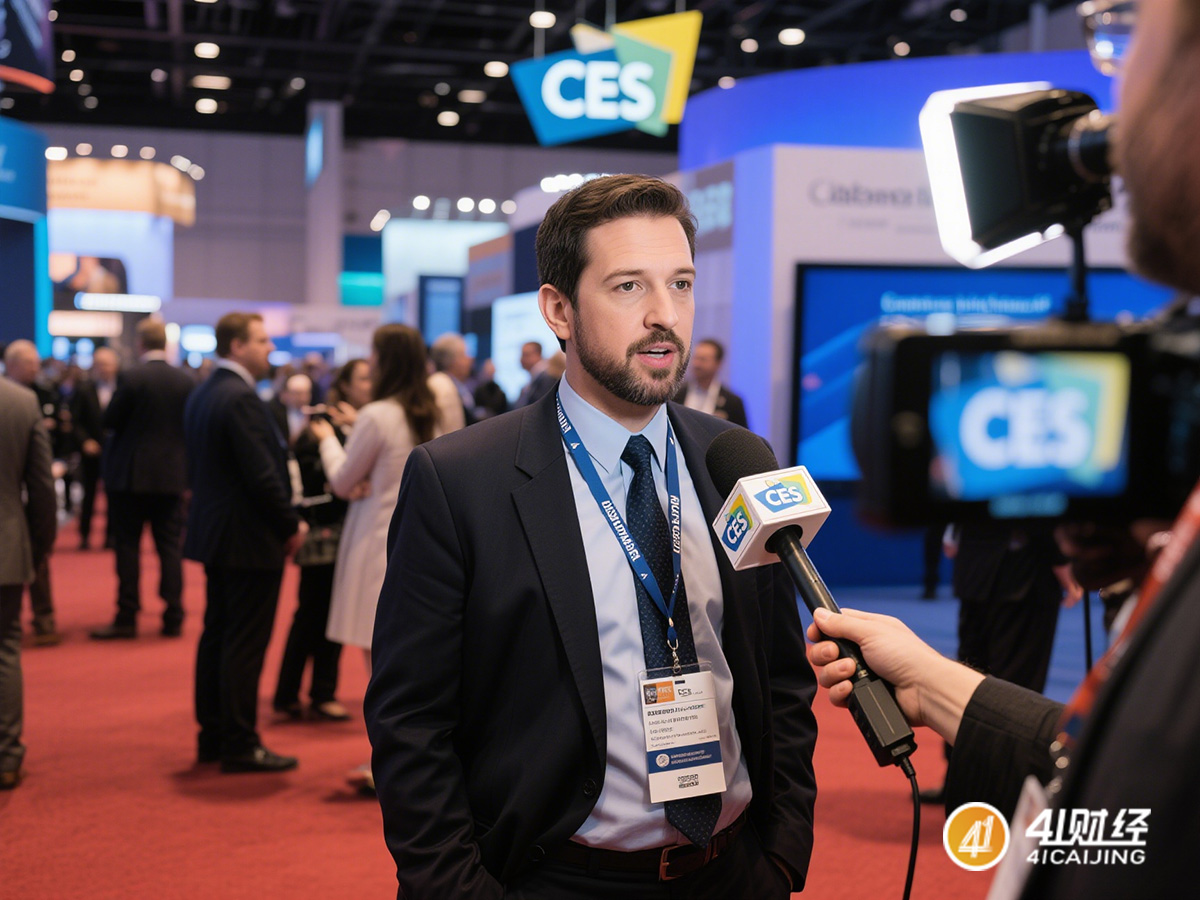
The check is simple: search the brand name plus a core product term in Portuguese, Spanish, and local English. and see whether LATAM domains appear in the top 10. If they do not, the roadshow has not done its job. A typical scenario: a skincare brand runs a two-city roadshow in São Paulo and Mexico City, gets 20 local placements, but does not include local-language meta tags or backlinks from those placements. Six weeks later, the brand is still invisible in local search, and the roadshow budget did not compound into search visibility. The fix is to include local-language SEO assets and backlink requirements in the roadshow package from the start, so the coverage survives into the search layer.
The answer to "which roadshow fits" depends on which outcome you need first. Here are three scenarios, mapped to goals:
The mistake is running a trust-first roadshow when the goal is search indexing, or running a launch-buzz roadshow when the goal is distributor credibility. Each roadshow type serves a different outcome, and picking the wrong one wastes the budget.

Build the approval timeline into the roadshow plan from day one. Identify which claims need local legal sign-off, which materials need translation, and which outlets have their own fact-check windows. Assign a deadline that lands before the roadshow date. This single adjustment saves the 5-7 days that typically slip into the roadshow window, and keeps the calendar intact. A skincare brand that makes this adjustment on its next LATAM roadshow will find that the approval timeline no longer dictates the roadshow date, and the launch window stays open.
Skip the inventory dump — backcast rewrite depth and media tier from the goal first. Use 41caijing practitioner criteria when you need a reference.




Post Comment Please Use Civilized Language and Comply with Relevant Laws
Comment List