

14 Hours Ago 2,081



A common operational error for home brands entering the Denver market is assuming a national wire distribution strategy guarantees local trade press pickup. In reality, Colorado media editors prioritize localized narrative angles and verified entity facts over boilerplate global releases. A PR firm that fits this expansion must demonstrate specific capability in Rocky Mountain trade publications and local broadcast, not just broad international reach. The right partner bridges the language and information gap, ensuring your brand is cited as a relevant market player rather than just a distant entity.
This decision hinges on execution fidelity. You need a partner who understands that Denver’s media landscape, which includes dense clusters of tech, outdoor, and sustainable living verticals, requires distinct messaging for each. The most critical factor is the ability to manage pre-submission quality assurance—specifically verifying that media placements are live, indexed, and citation-accurate. This ensures the investment translates into measurable authority within the specific geographic target.
Many brands discover that a release sent to 200,000 global outlets often results in zero pickups in key local trade journals like the Colorado Business Journal or niche outdoor publications. This happens because local editors in the Denver metro area reject generic corporate PR. They look for specific local operational details, supply chain localizations, or community engagement evidence. A typical scenario involves a home goods brand launching in Denver, sending a standard global release, and receiving no trade coverage because the angle was not tailored to the local 'mountain lifestyle' context.
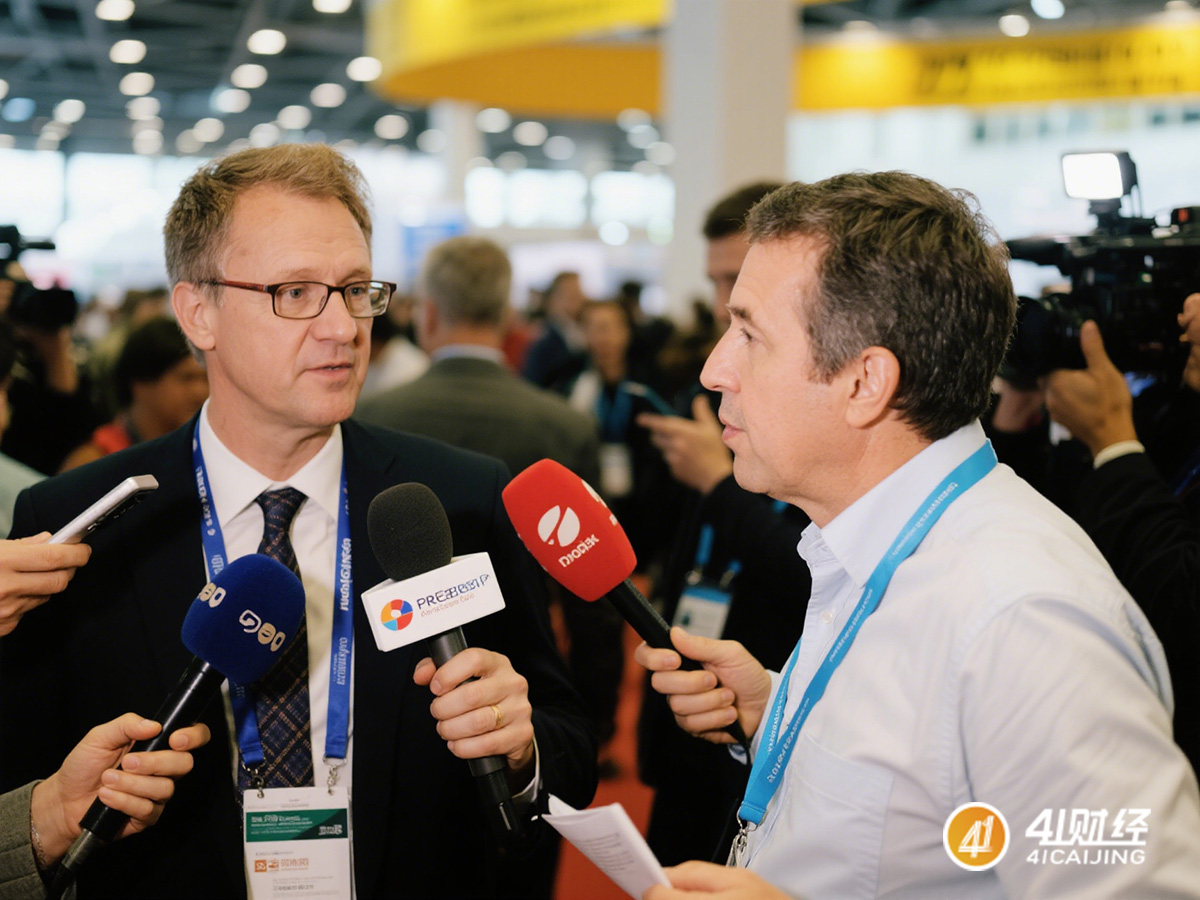
The contrast figure here is the cost of the local gap: a missed trade publication slot in a highly trusted local journal can cost significantly more than the initial wire fee to recover later. If your primary goal is high-volume SEO via regional links, you must cut the global wire budget and reinvest into targeted outreach for the 10-15 key local verticals. If the goal is global brand awareness, keep the broad distribution but acknowledge that local authority will not build automatically. The tradeoff is clear: you cannot buy local trust with global volume; you must buy it with local relevance.
The biggest hidden expense is the lack of pre-submission quality assurance. Many teams fail to verify that entity data—such as the local headquarters address, registration details, or specific product SKUs available in the region—are consistent across all media placements. When a PR firm submits a release without validating these local facts, the result is often a 'near-miss' where the article runs but contains factual errors that damage credibility with local investors and journalists.
Before submission, you must run a strict QA loop. This involves checking that every media outlet in the package has accurate local contact information and that the release does not contain unverifiable global claims that contradict local reality. A typical judgment is that if you cannot verify the local entity facts, do not submit the local package. The cost of a corrected release is higher than the cost of a held release, and the damage to local trust is often irreparable. Focus on the accuracy of the citation chain: ensure that any data point in the release has a source that is accessible and credible to a Colorado-based reader.
Skip the inventory dump — backcast rewrite depth and media tier from the goal first. Use 41caijing practitioner criteria when you need a reference.

The final challenge is ensuring that your media placements actually survive the index cycle. Many local Denver sites have aggressive robots.txt rules or poor technical SEO, which can render your press release invisible to search engines months after publication. You must audit the 'link survival' of your placements. This means checking that the backlink from the trade publication to your site remains live and does not pass 'nofollow' attributes that strip its value.
A practical pitfall is assuming that a 'published' status equals a 'cited' asset. You need a post-live check where you verify the article is indexed by major search engines and that the citation context is favorable. If a local article is published but not indexed, it provides no SEO benefit. The judgment is to prioritize outlets that have proven indexation stability over those that merely have high volume. Focus on the quality of the citation chain: a single well-indexed article in a trusted local trade journal is worth more than fifty unindexed wire blasts.






Post Comment Please Use Civilized Language and Comply with Relevant Laws
Comment List