

3 Minutes Ago 872



The line item that most robotics teams misjudge in the GCC is not the media placement fee, but the VNR production and adaptation cost. A typical scenario involves a firm allocating $15,000 for a global wire blast, only to find that 60% of that budget is consumed by post-production revisions required by regional editors who reject generic tech narratives. In 2026, the cost of a compliant, locally relevant Video News Release for the Gulf market ranges from $800 to $3,500 depending on whether you are targeting the Kingdom of Saudi Arabia’s strict content moderation laws or the more open editorial environment of the UAE. If your budget prioritizes the slot over the asset, the VNR fails review before it reaches the newsroom desk.
Budgeting for VNR in the GCC requires a shift from 'distribution volume' to 'citation survival.' The region’s media landscape is fragmented between state-controlled outlets and independent digital trade desks. For a robotics brand. this means the VNR must be tailored to highlight sovereignty, technology transfer, or infrastructure alignment—angles that generic US-centric releases miss. The following breakdown structures how to allocate funds across production, local adaptation, and targeted distribution to ensure the VNR survives editorial scrutiny and generates long-term SEO value.
(Ranges below are field estimates for scheduling — not a quote.)

In the GCC, the difference between a published VNR and a rejected one is rarely the video quality; it is the cultural and regulatory fit of the script. Editors in Riyadh and Abu Dhabi actively filter out content that feels like a translated US press release. A significant portion of the VNR budget must be allocated to a 'localization pass' where a native speaker rewrites the script to align with local news cycles.
Consider a robotics firm launching a warehouse automation system in Jeddah. If the VNR script focuses on 'efficiency gains' in the American corporate sense, it may be rejected. Instead, the script must frame the narrative around 'national logistics sovereignty' or 'smart city integration.' The cost of this narrative pivot is not trivial. You should budget for at least two rounds of editorial consultation with local PR agents who understand the specific tone required by outlets like the Saudi Gazette or Khaleej Times. This line item is often underpriced because teams assume the VNR 'just translates.' It does not. It re-contextualizes. If you cut this budget, your VNR becomes a commodity asset that lacks the authority needed to secure placement in tier-1 regional media.
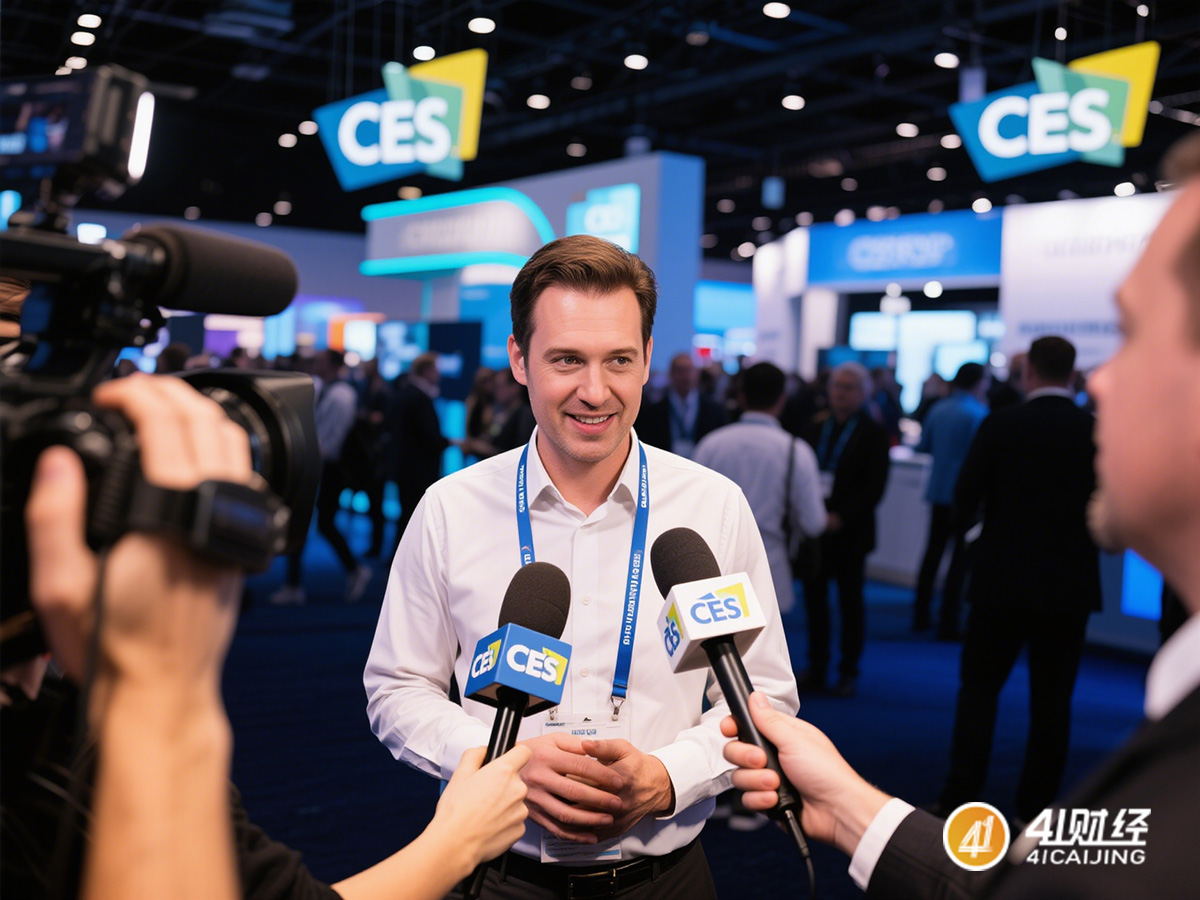
The GCC is not a single market. Budgeting must reflect the regulatory divergence between the Kingdom, the UAE, and Qatar. In Saudi Arabia. VNR content is subject to review under the National Media Officelines, which can add 7–14 days to the approval process. This timeline impacts your launch window. If your VNR is tied to a product demo or a conference in AlUla or Dubai, you must budget for earlier production dates.
A common misjudgment is treating the VNR as a same-day asset. In 2026, the cost of accelerating a VNR for a GCC launch involves premium production fees for rapid localization and expedited legal review. For a robotics brand, this might mean allocating an extra $500–$1,000 for 'timeline risk' if the VNR is critical for a specific announcement window. In contrast. the UAE’s media environment is more agile, allowing for faster turnover, but requiring higher production value to stand out in a saturated digital space. Your budget should mirror this: lower volume, higher quality production for the UAE, and earlier, more conservative scheduling for KSA.
Many brands fall into the trap of buying 'global' distribution, which in the GCC context means spraying the VNR to 5,000 outlets where 90% will ignore it. The smart budget allocation focuses on vertical-fit outlets. For robotics, this means targeting specific tech and engineering journals in the Gulf. such as MEED or local engineering trade pubs, rather than general news wires.
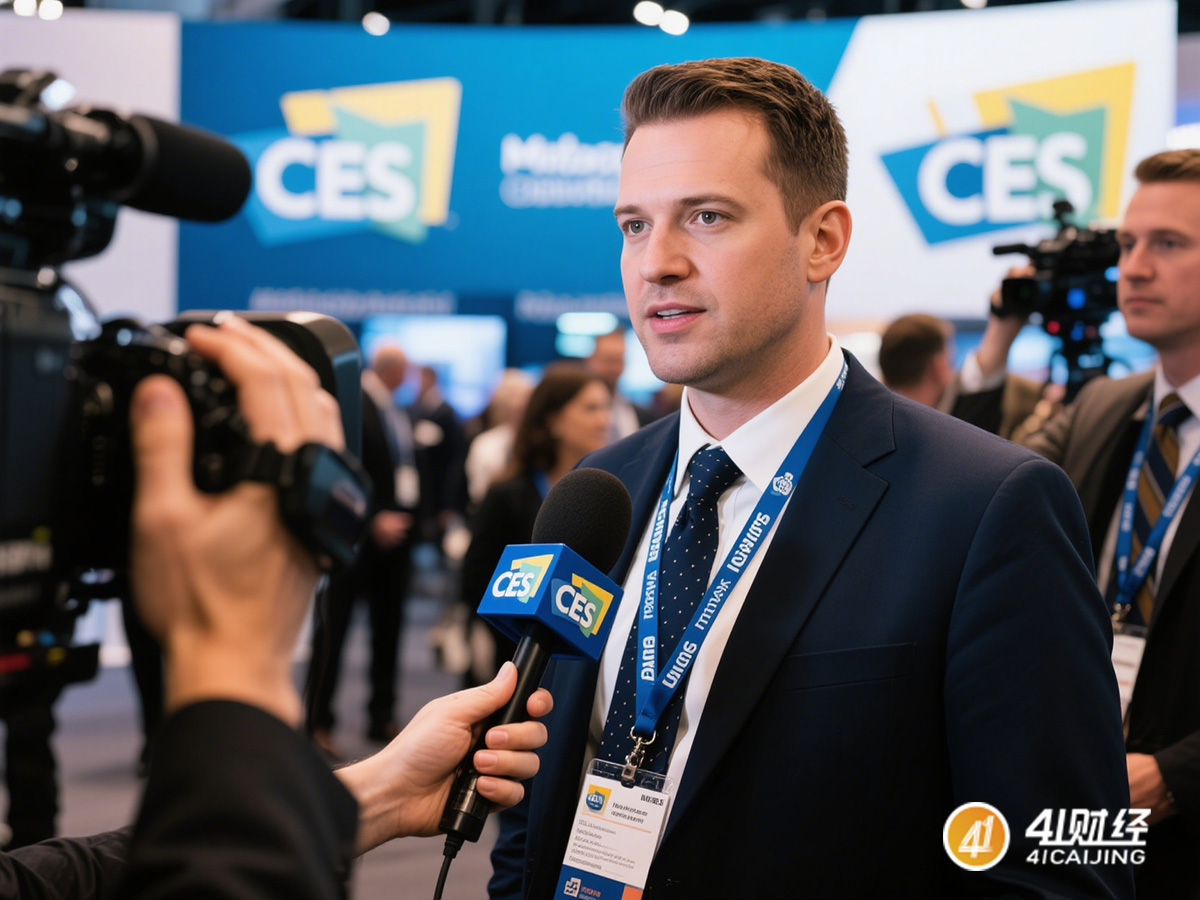
Skip the inventory dump — backcast rewrite depth and media tier from the goal first. Use 41caijing practitioner criteria when you need a reference.
The final, often forgotten. line in the VNR budget is for 'citation survival.' In the GCC, digital media evolves rapidly. A VNR published on a generic aggregator site may lose its link value within three months. To ensure the VNR continues to support your brand’s authority, budget for placement on domain-authority sites that maintain their archives and indexability.

This includes allocating funds for 'evergreen' placements where the VNR is embedded in a resource page or a company profile that is regularly updated. For a robotics brand, this means the VNR is not just a launch clip but a reference asset for sales teams in the region. The cost of maintaining these links and monitoring for 'link rot' is approximately 10-15% of the total VNR budget. This small allocation ensures that the VNR continues to generate traffic and backlinks throughout the year, not just on the day of the announcement. It is the difference between a one-time press event and a sustained media asset.
Practical for GCC VNR Budgeting:






Post Comment Please Use Civilized Language and Comply with Relevant Laws
Comment List