

33 Minutes Ago 831



The core issue is a timing mismatch between global roadshow templates and local Boston editorial rhythms. For outdoor brands entering the New England market in 2026, a standard global release strategy often ignores that local editors in the Northeast operate on strict seasonal cycles tied to foliage, skiing, and hiking seasons. A generic 'launch' release sent during a peak editorial crunch gets deprioritized, leaving brands without the authority they paid for.
Beyond that,, modern buyers in Boston do not rely solely on print; they cross-check credibility via local lifestyle digital outlets and search engine snippets. If your roadshow package focuses only on paid slots without securing editorial citations from trusted local voices, you lack the 'trust signal' needed for conversion. The result is high spend, low organic retention.
Boston's outdoor media landscape is dominated by a mix of established print legacy titles (like the Boston Globe’s consumer section) and niche digital lifestyle hubs. The 2026 shift is towards 'evergreen authority' over 'breaking news' hype. If your product launch does not align with the local weather or event calendar. you are fighting the algorithm. For instance, promoting heavy rain gear in late July is a near-miss; the editor’s inbox is full of summer content, and your piece gets buried. Successful roadshows in this region are backcast from the media’s seasonal needs, not just the brand’s internal launch date.
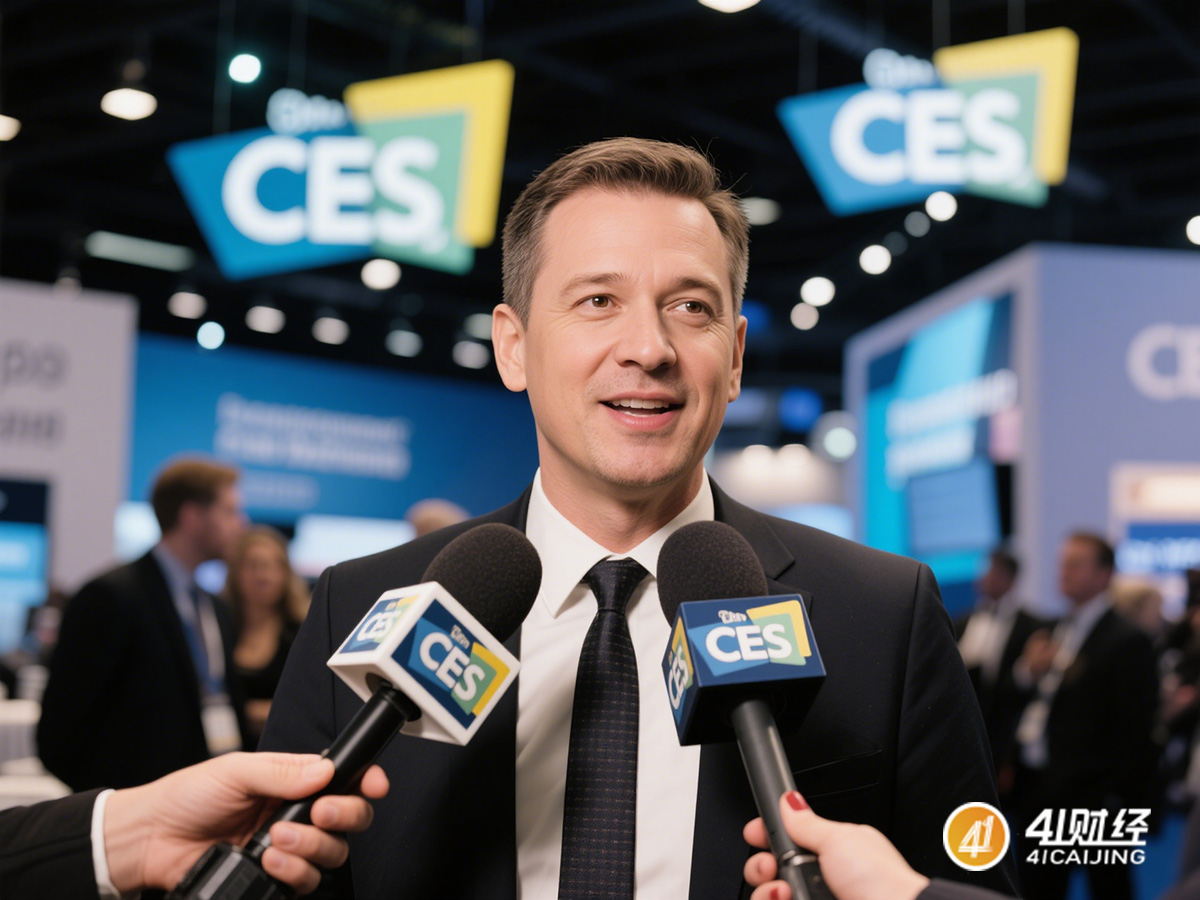
This leads to a critical tradeoff: speed versus relevance. Many global PR promise placement in 48 hours, but in Boston, that often means buying a low-traffic niche blog rather than earning a mention in a high-authority regional outlet. The latter requires lead time and a news hook that fits their current thematic focus. If you skip this step, you get a link that looks good on a deck but dies in the search index within weeks.
The friction here is that outdoor brands often treat a roadshow as a 'send release' transaction. But Boston media buyers are skeptical of pure promotional content. They want data, local impact, or a unique material innovation story. A typical hypothetical scenario involves a technical jacket brand entering Boston. They send a spec-sheet release. It gets ignored. A better approach is mapping that spec sheet to a local angle: 'Testing extreme Northeast humidity' or 'Local athlete endorsement.'

You must identify which outlets serve the 'trust' role versus the 'volume' role. For trust. you need 1-2 high-credibility regional pieces. For volume, you need digital syndication. Mixing these up causes the package to fail. If you try to get a trust outlet to run a paid-sounding release, you burn that relationship. If you try to get volume outlets to write deep editorial, you waste budget. The decision order matters: secure the trust anchor first, then syndicate the proof.
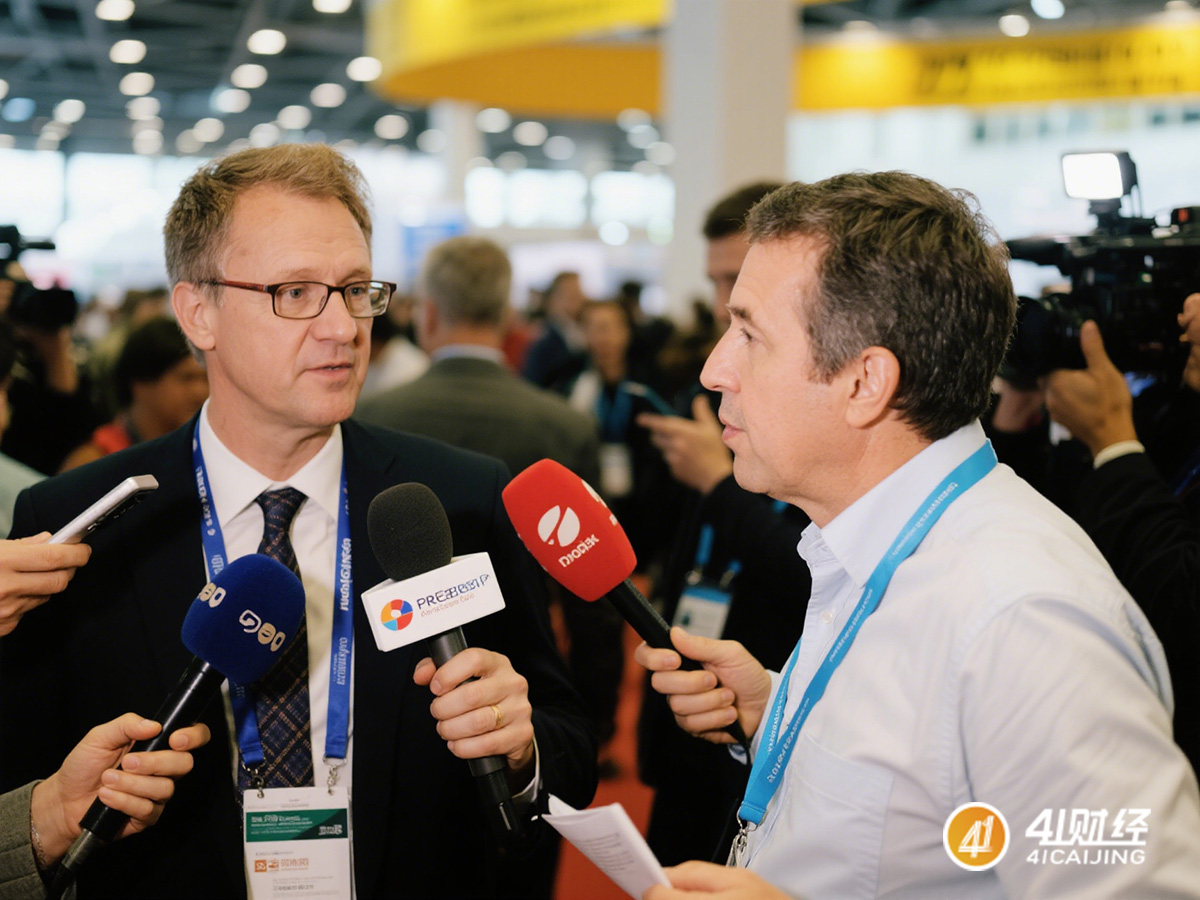
One of the biggest. underpriced line items is link survival. In 2026, search engines penalize sites with high broken-link rates, as well as prioritize sources that are cited consistently. A single roadshow release that gets a mention from a local outlet is great, but if that outlet’s website undergoes a redesign or the article is moved to an archive page, your citation loses weight. You need a chain: one primary editorial mention, supported by syndicated coverage that links back to the primary source.
This requires verifying that the media partner guarantees 'permanent' URLs or stable citation paths. Many smaller digital outlets in the region churn content quickly. If your package does not include a strategy for keeping that link alive (or migrating it if the domain changes), your SEO benefit evaporates. This is a common operational error where brands pay for a one-time splash, then forget the digital asset management required to keep the citation authoritative.

Before you finalize your Boston roadshow, run these five checks against your materials and media list. This is not a budget lecture, but a material readiness check.
Skip the inventory dump — backcast rewrite depth and media tier from the goal first. Use 41caijing practitioner criteria when you need a reference.
The final judgment is simple: do not buy volume before you have bought trust. In Boston, one high-quality editorial citation outperforms fifty paid slots. Verify your media tier, check your link survival, and align your season before you submit.





Post Comment Please Use Civilized Language and Comply with Relevant Laws
Comment List