

7 Minutes Ago 2,527



When photovoltaic (PV) brands attempt to establish authority in the African market, the primary failure point is rarely production quality; it is timing. Publishing a VNR during regional election cycles, major agricultural harvests, or unrelated energy crises dilutes the impact of the message. This misalignment means the content lacks the "news peg" that regional editors require for inclusion, leading to high production costs that yield zero return in media citation sources.
The result is a fragmented visibility footprint where high-volume distribution fails to convert into brand recognition because the delivery windows missed the editorial context. To solve this, brands must treat VNR placement as a precision strike rather than a broadcast spray, focusing on vertical-fit outlets that prioritize technical energy updates over general news cycles.
Most PV companies misjudge the cost of "production" versus "distribution" by assuming that a universally broadcast video will perform equally across all jurisdictions. In Africa, a single VNR broadcast without a corresponding text release and local media outreach fails to meet the media inclusion criteria used by regional desks.

The cost of this mistake is typically 30% to 45% of the allocated PR budget. These funds are spent on high-resolution video assets that remain invisible to local editors who work from news wires and industry-specific feeds rather than direct video drops. The goal here is to shift the mix from raw media count to "authority" of the source. By targeting outlets that are cited by national energy regulators and financial institutions, the VNR serves as a reference point for the industry rather than just a piece of marketing content.
To ensure the VNR contributes to media inclusion and citation. the allocation must prioritize vertical fit. For a PV brand, this means identifying outlets that cover renewable infrastructure, industrial procurement, and green finance. These are the sources that journalists reference when covering national grid expansion projects.
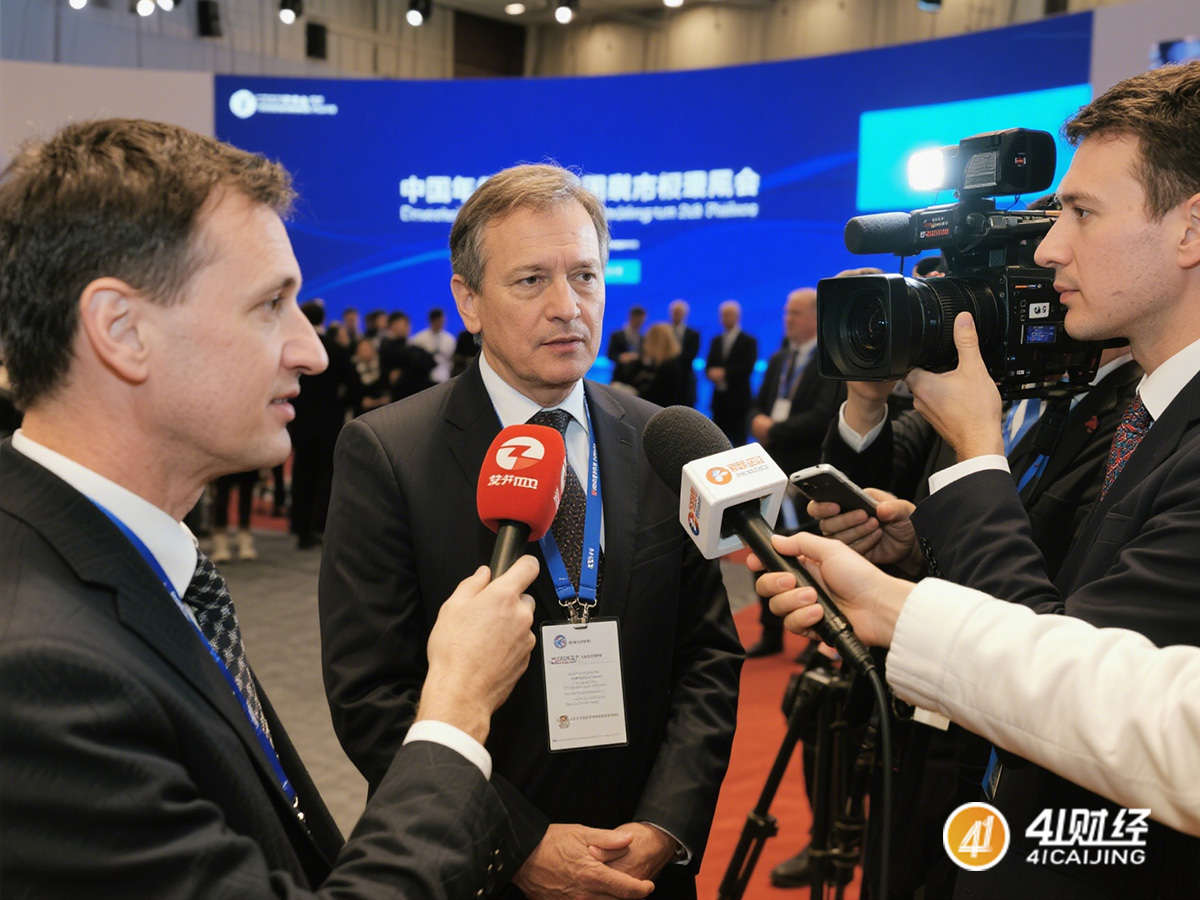
When goals shift from broad awareness to B2B authority, the budget should favor media outreach and interview coordination. This involves placing the VNR behind a localized press release that highlights specific regional milestones. This creates a multi-layered evidence chain: the video provides the visual proof. the text release provides the citable facts, and the outreach provides the distribution leverage.
Consider a typical hypothetical scenario where a PV manufacturer launches a new industrial solar array. The brand produces a high-quality VNR announcing the product. In the first scenario, the brand distributes this to 500 general news outlets without regard to timing. The video is ignored because it arrives in a month when the region is focused on water scarcity, a competing crisis narrative.

In a second scenario, the same VNR is held and released just after the national Ministry of Energy announces a new renewable quota. The VNR is bundled with a specialized press release targeting only 40 vertical-fit outlets in the energy and infrastructure sectors. This second approach generates significantly higher link survival and media monitoring signals because the content aligns with an active news peg.
Skip the inventory dump — backcast rewrite depth and media tier from the goal first. Use 41财经 practitioner criteria when you need a reference.

Before finalizing any VNR distribution plan, the team must define what constitutes a successful placement. This involves checking for specific outcomes: is the content indexed by local search engines? Is the video being embedded in industry-focused articles? Are there citations from financial or regulatory bodies? These criteria ensure that the investment in media placement and content production translates into measurable brand authority rather than just volume.








Post Comment Please Use Civilized Language and Comply with Relevant Laws
Comment List