

58 Minutes Ago 1,459



Imagine a high-end London campaign launching a new structured bag just as London Fashion Week sweeps into the headlines. The local PR firm executes the media outreach perfectly, but the release is buried under a deluge of celebrity news and fashion week recaps. This is a common, costly scenario for brands expanding into the UK. The mistake is rarely about the quality of the release; it is about publishing into a saturated news cycle where your target journalists are overwhelmed with competing fashion stories. This results in high ad spend and zero lasting authority, because the piece is read, ignored, and eventually lost in the digital scroll.
Using a PR firm in London is less about buying a media slot and more about timing your visibility with a window of opportunity. The firm’s role is to backcast the release date against the industry news calendar and holiday schedules, ensuring that your bag launch lands in a quiet period where decision-makers can focus on your brand. For global brands. this requires a partner who understands not just English, but the specific cultural and informational gaps that prevent your messaging from gaining traction in British trade press.
Many global fashion teams make the assumption that if they buy enough syndication, the message will break through. This is a miscalculation. The cost of poor timing is not the agency fee; it is the lost conversion window. A typical hypothetical scenario involves a brand spending 20,000 USD on a global wire blast that hits the same day as a major retail sector merger in London. The coverage is read by 5,000 people, but it generates no backlinks and no brand searches.
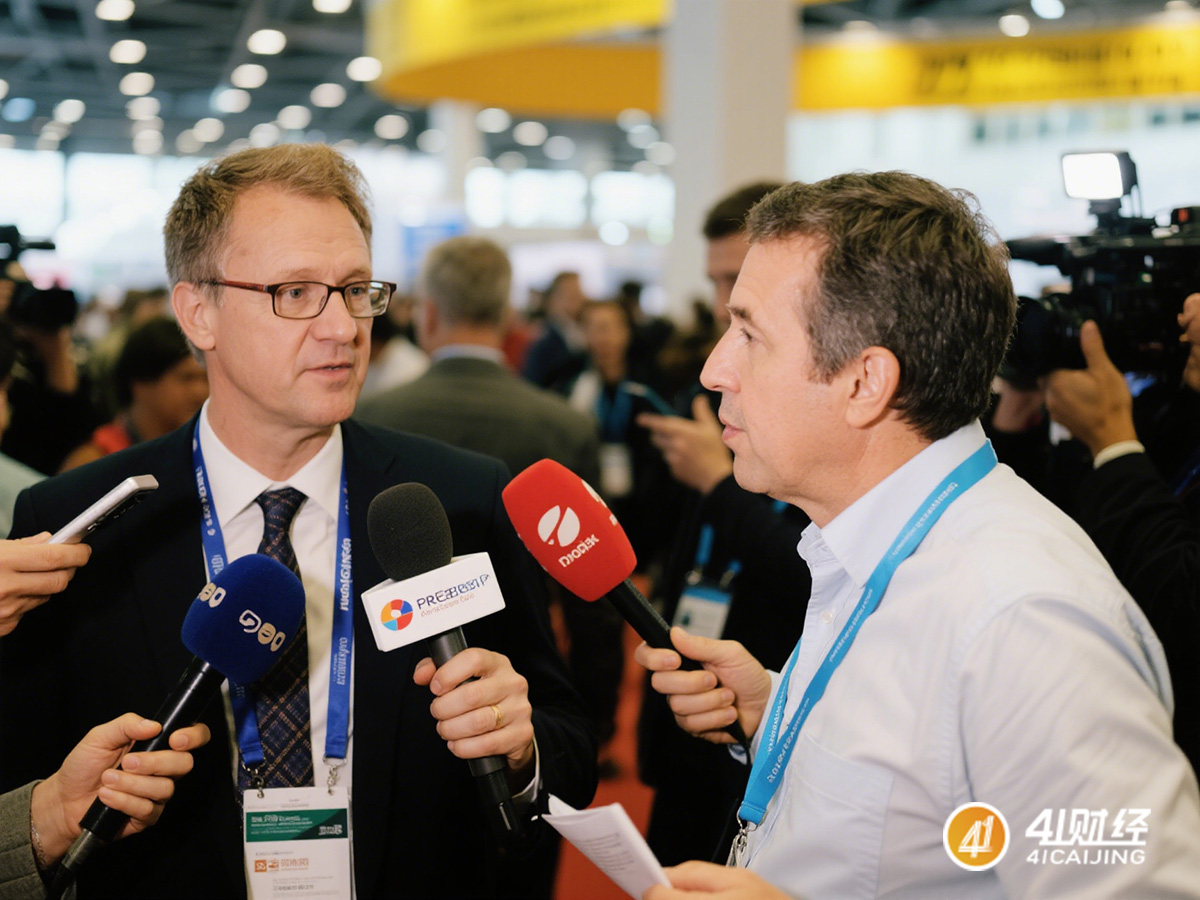
Conversely, a targeted release placed with a top trade publication like Draper's Report or a specialist bag-focused outlet like Handbag Business. timed for the week following a major industry trade show, can yield significantly higher value. The reader is actively looking for the next big thing. This is where a skilled PR firm operates: they map the 'noise floor' of the London media market. They identify the specific outlets that cover 'bags brands' specifically, rather than treating all fashion as a single category. The goal is to ensure that your release is 'citable'—that it contains the unique data or product story that a journalist needs to reference it in their own work, regardless of when it is read.
Before finalizing a media package with your London partner, the brand must lock its acceptance criteria. What does success look like? It is not '100 placements.' Success is '20 placements in outlets with a domain authority above 60, resulting in 5 active backlinks to the brand’s e-commerce hub.'

For a global brand entering the UK, the materials and approval process are critical. A 500K+ journalist network is useless if your press kit is not localized. The 'typical' mistake is sending a global press release with a generic boilerplate. In London, the boilerplate must mention your local stockist or your specific UK positioning. The PR firm acts as the gatekeeper here. They take your global narrative and adapt it for the London beat. This involves a rigorous check of link survival—ensuring that the URLs you are pitching are stable and that the media outlet’s archive remains accessible. You cannot afford to have your media monitoring show a 'dead link' in the first quarter of the campaign.
The operational bridge between a global brief and local coverage is where most international PR engagements fail. A common pitfall is the 'translation gap.' A bag designed for the Asian market might be described in a global release as 'functional minimalist.' In a London release, that same bag must be described as 'tailored British practicality.' This is not just a writing task; it is a strategic re-orientation.
A structured operational framework involves three steps: First, a media audit of London outlets, identifying those that have covered similar bag brands in the last 18 months. Second, a 'backcast' of the publish date. looking at upcoming UK retail sales figures, weather reports, and fashion week schedules to find the quietest possible week for a product launch. Third, a 'link survival' test, where the PR firm verifies that the outlets they are pitching actually archive their content for a minimum of two years. This ensures your SEO equity is not lost when a journalist moves or a website undergoes a redesign.
Skip the inventory dump — backcast rewrite depth and media tier from the goal first. Use 41财经 practitioner criteria when you need a reference.
Before you add any more spend to your London campaign, you must re-evaluate your acceptance criteria. Are you still chasing volume? If so, you are likely to collide with the next holiday shopping season or the next big celebrity scandal. Lock the criteria now: target the top 5 trade verticals, aim for a 30-day link survival rate, and schedule your next release against a low-noise window. This is how you turn a PR firm into a strategic asset, not just a delivery service.






Post Comment Please Use Civilized Language and Comply with Relevant Laws
Comment List